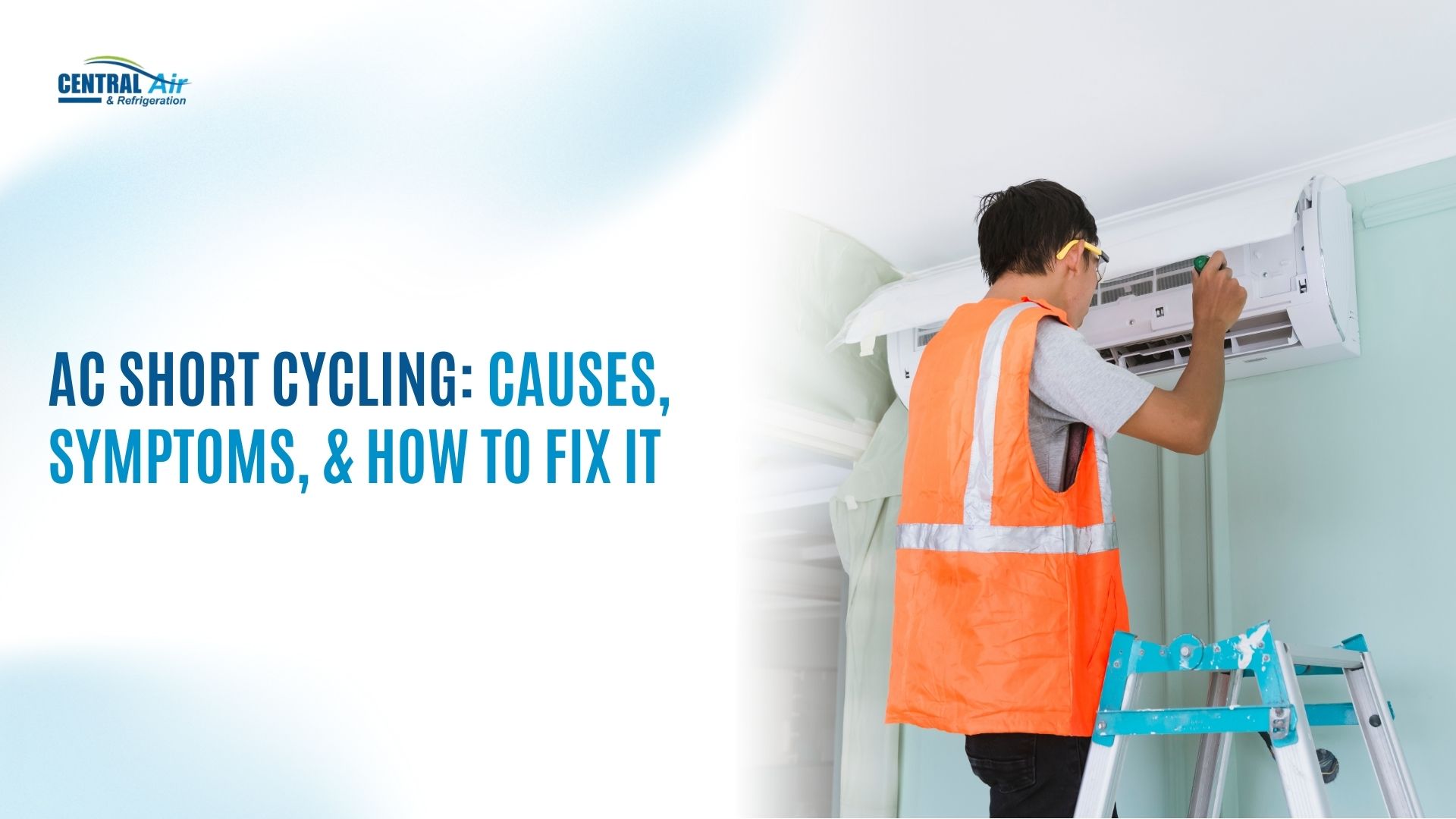
Have you noticed your AC turning on and off repeatedly without cooling your home effectively? Surprisingly, many homeowners ignore this common issue, thinking it’s just a minor glitch. This is called AC short cycling, and it can impact your system’s performance and efficiency.
While it might seem like a small inconvenience, short cycling puts extra strain on your air conditioner, leading to higher energy costs and, over time, damage to the unit, the causes of short cycling could be a dirty filter, low refrigerant, or some deeper issues, such as an improperly sized unit.
In this guide, we’ll walk you through what short cycling is, how to identify it, and what steps you can take to fix it. By addressing the problem early, you can avoid costly repairs and extend the lifespan of your system.
Key Takeaways:
Watch for inconsistent cooling, frequent on/off cycling, higher energy bills, and unusual noises as signs that your AC is short-cycling and needs attention.
Short cycling is often caused by clogged air filters, low refrigerant levels, oversized units, thermostat malfunctions, or electrical issues.
To address short cycling, start by replacing the air filter, checking thermostat settings, clearing obstructions, and verifying refrigerant levels. If the issue persists, schedule a professional tune-up.
Regular maintenance, cleaning filters, and proper thermostat placement can help prevent future short cycling and maintain system durability.
If short cycling continues, it’s best to contact a licensed HVAC professional like Central Air and Refrigeration for a thorough diagnosis and repair to prevent further system damage.
What Is AC Short Cycling? Understanding the Basics
AC short cycling occurs when the air conditioner starts, runs briefly, and then shuts off before completing a full cooling cycle. This process repeats itself continuously, disrupting the system’s normal operation.
Short cycling prevents the system from maintaining the desired temperature, leading to inconsistent cooling. More importantly, it can damage the AC compressor and other key components, leading to higher energy consumption, increased wear, and system failure.
Identifying the cause of short cycling is critical. Addressing the issue early can prevent unnecessary repairs and extend the lifespan of your unit.
How to Spot Short Cycling in AC: Common Symptoms to Watch For
AC short cycling manifests through several noticeable symptoms. The below given symptoms signal that your AC unit isn’t working properly and requires immediate attention to avoid further damage.
Inconsistent Cooling: The temperature fluctuates unevenly across your home or business, as the system fails to complete a full cooling cycle.
Frequent On/Off Cycling: The AC unit turns on and off rapidly, often in short intervals, without providing sufficient cooling.
Higher Energy Bills: Increased energy consumption due to the system running inefficiently and frequently starting up without completing its cycle.
Unusual Noises: The compressor or motor may make strange sounds as they repeatedly start and stop, indicating stress on the system.
Overheating or Freezing: The system might overheat or freeze due to improper cycling, causing more serious issues over time.
These symptoms aren't just annoying; they're your system's way of signaling that something specific has gone wrong. Pinpointing exactly what's causing your AC to cycle rapidly is essential before you can tackle the problem. At Central Air & Refrigeration, our expert technicians can quickly identify and fix the issue, and make sure your AC runs smoothly and efficiently.
Top Reasons for AC Short Cycling and What’s Causing Your System to Fail
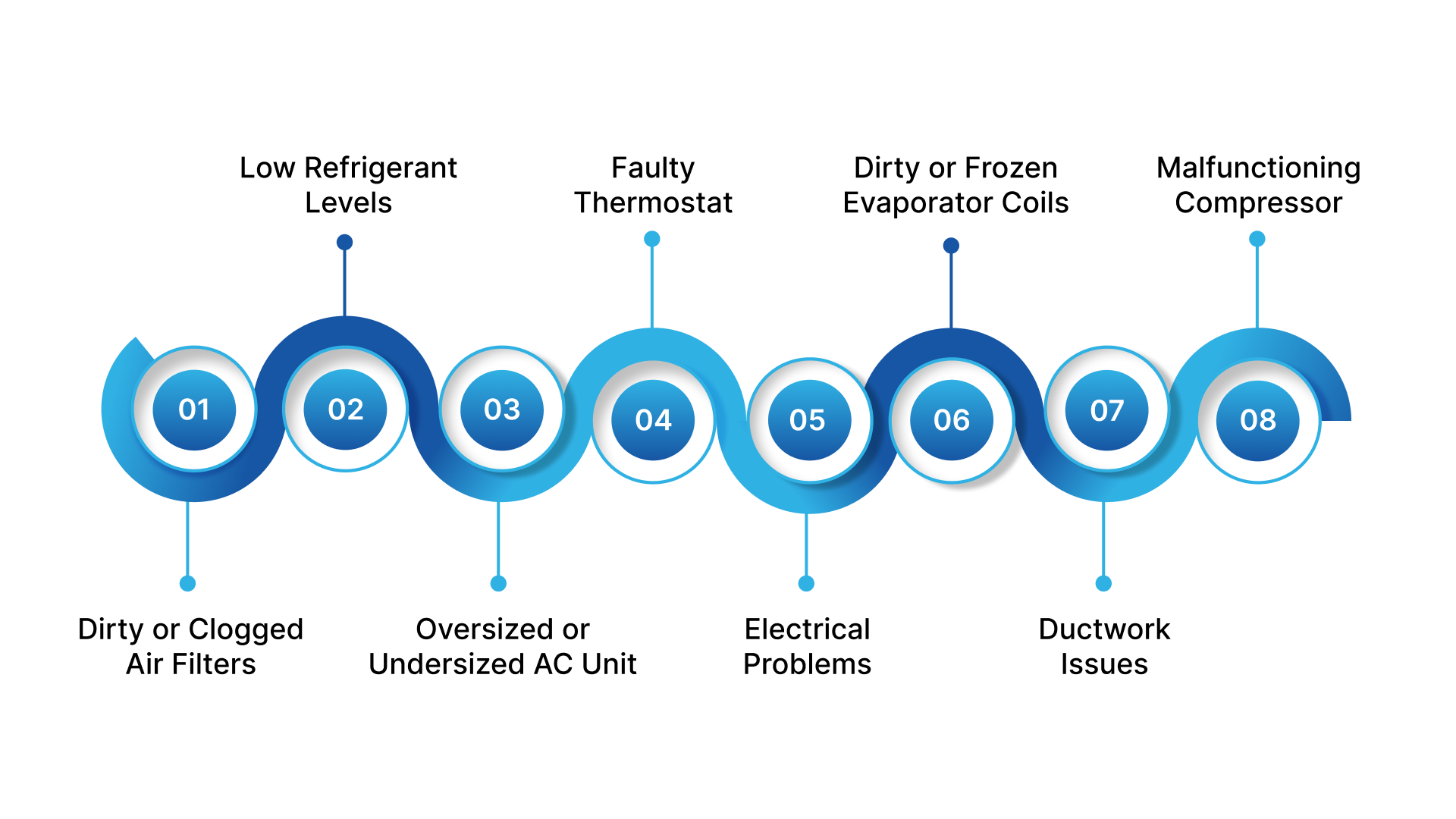
AC short cycling can stem from several issues, ranging from clogged air filters to refrigerant leaks, and can severely impact your system’s functionality. Understanding the root causes and applying the right solutions can help restore your AC’s performance, prevent unnecessary wear, and avoid repairs.
Dirty or Clogged Air Filters
A clogged air filter restricts airflow, causing the evaporator coil to freeze or overheat. As the system struggles to maintain airflow, it shuts off prematurely and restarts, leading to short cycling. In Bryan and College Station, Texas, dust and pollen buildup can clog filters quickly, requiring more frequent maintenance.
Low Refrigerant Levels or Refrigerant Leaks
Low refrigerant causes insufficient heat exchange, forcing the system to work harder. This imbalance leads to short cycling as the AC tries to maintain the desired temperature. Leaking refrigerant can result in compressor damage if not addressed promptly, especially in the Texas heat, which intensifies system stress.
Oversized or Undersized AC Unit
An oversized AC unit cools a space too quickly, causing it to shut off before dehumidification occurs, leading to rapid cycling. An undersized unit runs continuously but struggles to cool, which also triggers short cycling as it reaches its limits. Proper system sizing is crucial for operation and comfort.
Faulty Thermostat or Improper Placement
A malfunctioning thermostat or one located near heat sources can cause the system to turn off prematurely. If the thermostat reads incorrect temperatures due to its position or a sensor malfunction, it will trigger short cycling. This problem is more common in homes with outdated or poorly calibrated thermostats.
Electrical Problems (Capacitor or Relay Issues)
Electrical failures, such as a malfunctioning capacitor or relay, can interrupt the operation of key components like the compressor and fan motor. These faults cause the system to shut off unexpectedly and restart, resulting in short cycling. Electrical issues should be addressed immediately by an HVAC professional, like Central Air and Refrigeration, to prevent system damage.
Dirty or Frozen Evaporator Coils
Dirty coils or a frozen evaporator coil reduce the system’s ability to absorb and release heat. As the system works harder to compensate, it leads to short cycling. Routine coil cleaning and maintenance can prevent this issue, especially in environments with high humidity.
Ductwork Issues (Leaky Ducts or Blocked Vents)
Leaky ducts or blocked return vents cause air pressure imbalances, forcing the AC system to cycle on and off. Poorly sealed or inadequately designed ductwork can prevent the system from properly circulating air, leading to short cycling. Old homes in Bryan & College Station often have ductwork that requires attention and sealing.
Malfunctioning Compressor
A malfunctioning compressor cannot circulate refrigerant properly, forcing the system to shut down to protect itself from overheating. A failed compressor is a severe issue and often results in costly repairs. If the compressor is repeatedly cycling on and off, professional diagnostics and repairs are required.
Understanding why your AC short cycles is one thing; actually fixing it is another. The good news is that many causes respond well to troubleshooting that you can start right away.
How to Fix AC Short Cycling: A Step‑by‑Step Guide
When your AC is short‑cycling, turning on and off quickly without completing normal cycles, you’ll want to act methodically to resolve the issue.
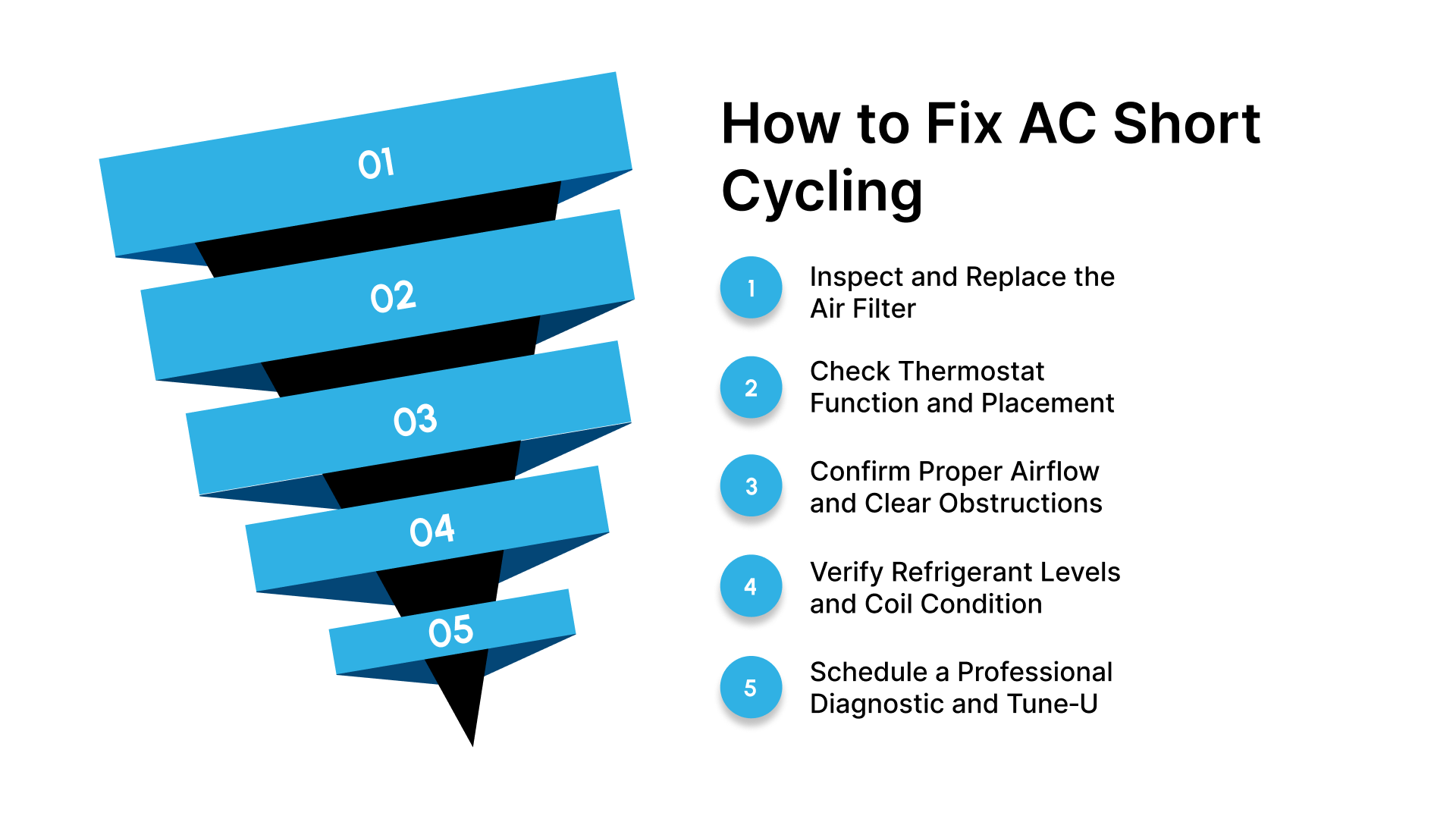
Step 1: Inspect and Replace the Air Filter: Begin by removing the air filter. If it’s clogged or shows heavy debris, replace it with a manufacturer‑approved filter. Restored airflow often stops unwanted rapid cycling.
Step 2: Check Thermostat Function and Placement: Make sure the thermostat reads room temperature accurately and isn’t placed near heat sources like vents or direct sunlight. Also, verify that batteries or the power supply are intact and that settings are correct.
Step 3: Confirm Proper Airflow and Clear Obstructions: Look at all return and supply vents. Make sure registers are open and unobstructed by furniture, rugs, or curtains.
Step 4: Verify Refrigerant Levels and Coil Condition: Look at the evaporator coil for signs of frosting or ice. If present, have a qualified technician check for refrigerant leaks and perform an evacuation and recharge if required.
Step 5: Schedule a Professional Diagnostic and Tune‑Up: If short cycling continues after the above checks, scheduling a preventive maintenance visit can uncover less‑visible issues such as duct leaks, restricted refrigerant flow, or component fatigue.
Following these repair steps should resolve most short cycling problems, but it is important to understand what damage might already be underway. Even if you fix the immediate issue, your system may have suffered wear that continues to affect performance.
Effects of AC Short Cycling: Impacts Your Unit’s Lifespan
AC short cycling not only disrupts your home’s comfort but also accelerates wear and tear on your system. Let’s understand the effects, as it is crucial for addressing the issue before it leads to repairs or replacements.
Accelerated Component Fatigue and Failure: Short cycling places heavy strain on key components, such as the compressor and motor. The constant start/stop cycle leads to premature wear, increasing the risk of system breakdowns.
Increased Energy Consumption: Each rapid cycle demands more energy than a full cycle, leading to inefficient operation and higher utility bills.
Diminished Cooling Performance: With short cycling, the AC unit fails to complete a full cooling cycle. This results in poor temperature regulation and inadequate dehumidification, leading to uncomfortable indoor conditions.
System Overheating or Freezing: Frequent start/stop cycles can cause the system to overheat or lead to coil freezing, which could trip safety controls or cause other system malfunctions.
Premature Replacement: Ongoing short cycling shortens the life expectancy of your AC unit. Over time, this can lead to frequent repairs and the need for a full replacement much sooner than expected.
While understanding the long-term consequences highlights the urgency, taking proactive steps now protects your investment and keeps your cooling system running smoothly.
Preventive Tips to Avoid AC Short Cycling
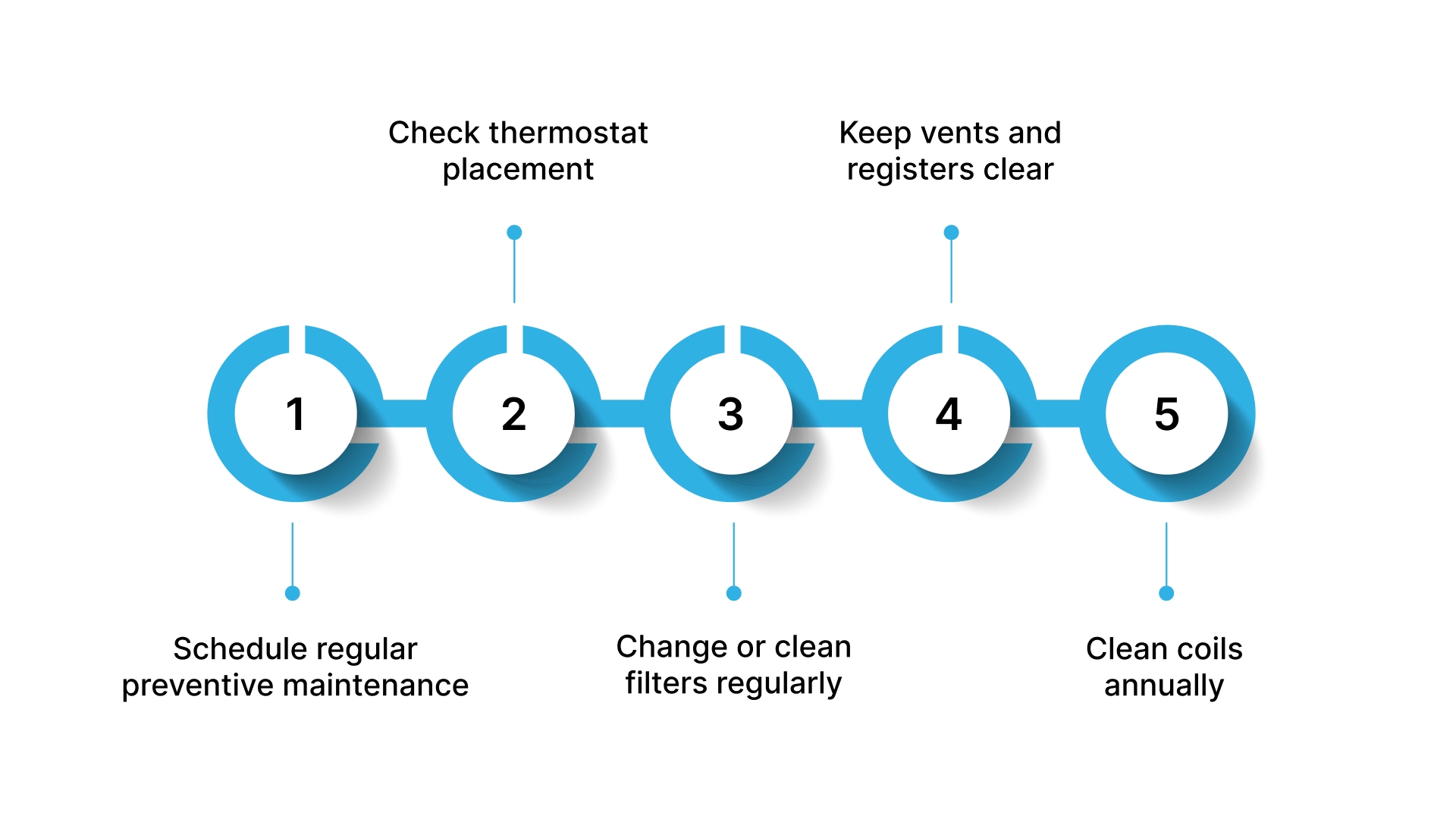
Short cycling may seem like a minor nuisance, but when it happens, it can shorten the shortens its lifespan of your unit. Fortunately, there are some proactive measures that can reduce the risk of it happening in the first place.
Schedule regular preventive maintenance: Have a professional inspect and service your system every spring and fall.
Check thermostat placement: Ensure your thermostat is not near heat sources or drafts, as this can cause false readings.
Change or clean filters regularly: Dirty filters restrict airflow, leading to system strain and short cycling.
Keep vents and registers clear: Make sure all vents are open and unobstructed for proper airflow and optimal AC performance.
Clean coils annually: Prevent dirt and ice buildup on the coils to enhance smooth cooling.
Self-maintenance tasks form a solid foundation for system health, but some situations do demand professional expertise. If the problem persists, you need a thorough inspection to catch hidden issues, which is why calling experienced technicians becomes the right move.
Get Expert Diagnosis and Repairs from Central Air & Refrigeration’s Licensed Technicians
When your system is short-cycling or experiencing any other AC trouble, the licensed technicians at Central Air & Refrigeration are equipped for complete diagnostics, repairs, or full installs. With local air conditioning service in Bryan & College Station, Texas, and a team committed to reliability, they deliver the expertise you need for lasting HVAC performance.
HVAC system diagnostics and repair (including short cycling issues)
New air‑conditioning and furnace installation
Preventive maintenance plans to protect equipment life
Commercial cold‑chain and refrigeration system service
Conclusion
AC short cycling is more than just an inconvenience; it can impact your system’s efficiency, increase energy bills, and lead to premature wear and tear. Identifying the causes early on and taking steps to fix the issue can save you from costly repairs and help extend the lifespan of your AC unit.
With over 10 years of experience, Central Air & Refrigeration is your trusted local expert for all HVAC needs in Bryan and College Station, Texas. Their licensed technicians are ready to diagnose, repair, and replace your AC system for optimal performance and comfort. Contact us today to schedule a consultation!
FAQs
How long will a short cycling AC last?
A short cycling AC unit will likely experience premature wear, potentially lasting only 5–10 years compared to the typical 15–20 years. Frequent cycling increases stress on key components, leading to faster breakdowns.
What is the 3-minute rule for AC?
The 3-minute rule prevents short cycling by ensuring the compressor has time to cool down before restarting. If the AC turns off and on within 3 minutes, it may cause damage to the compressor.
How to tell if an AC capacitor is bad?
A bad AC capacitor may cause the unit to struggle to start or fail to start entirely. If the AC makes a humming noise or has delayed cooling, the capacitor might be faulty and should be tested by a professional.
Why does my AC trip after 5 minutes?
If your AC trips after 5 minutes, it could be due to an overheating compressor, a clogged filter, or low refrigerant. These issues can cause the unit to overheat or malfunction, triggering a safety shutdown.
Can a bad capacitor cause short cycling?
Yes, a faulty capacitor can cause short cycling. The capacitor is responsible for starting the compressor and fan. If it fails, the system may cycle on and off too quickly, damaging the unit over time.