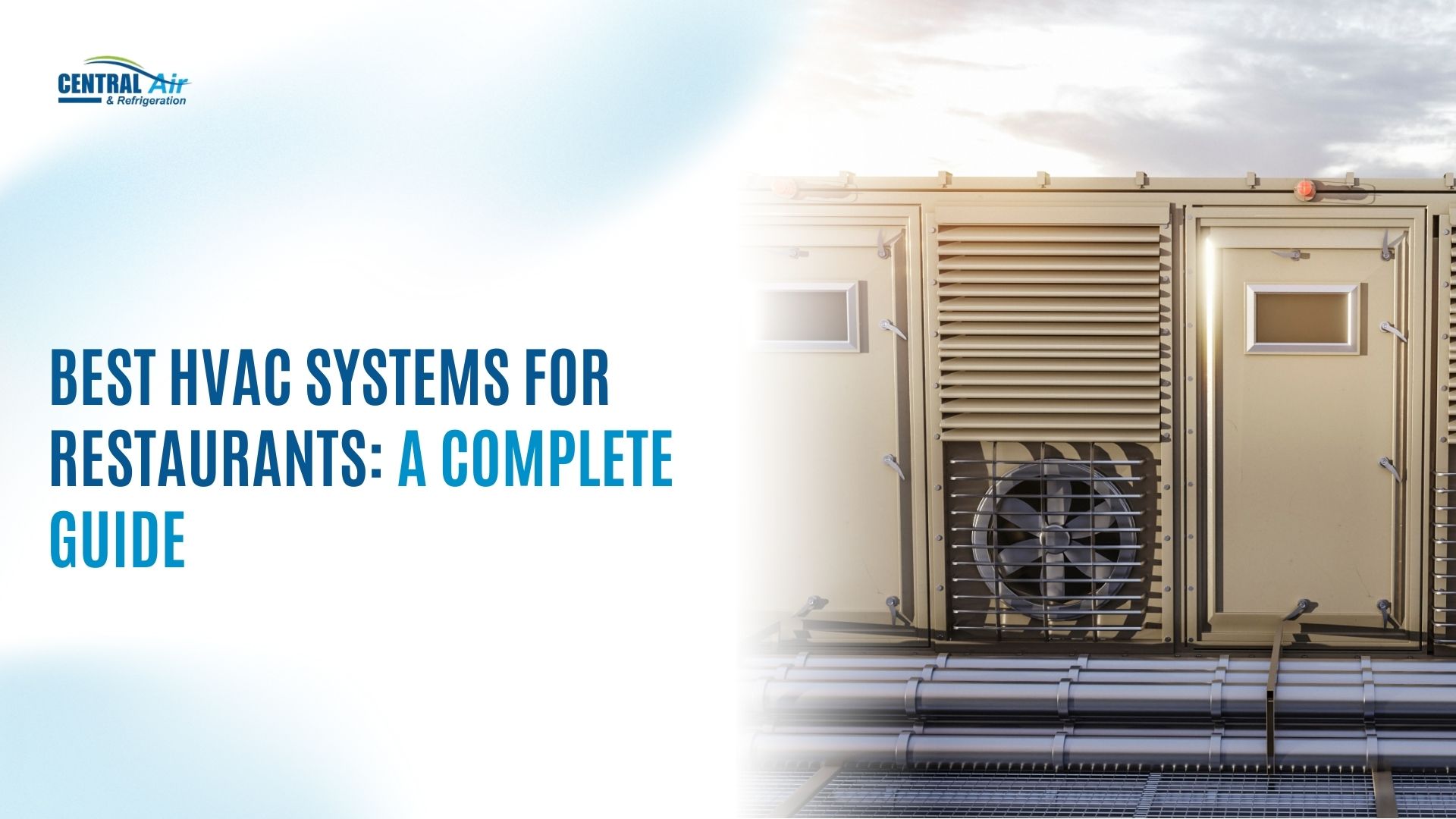
The restaurant industry faces unique challenges when it comes to creating a comfortable, energy-efficient environment. Heating and cooling systems, which are among the largest energy consumers in commercial buildings, play a critical role in managing both comfort and operational costs.
Restaurants consume 5-7 times more energy per square foot than other commercial spaces, largely due to high heating, cooling, and ventilation needs. With rising energy costs, selecting the right HVAC system becomes not just a matter of comfort but of long-term financial savings.
In this guide, we will walk you through the essential factors to consider when selecting the best HVAC system for your restaurant. By the end, you will be equipped with the knowledge to make an informed decision that ensures your restaurant remains comfortable, energy-efficient, and compliant with all health and safety standards.
Key Takeaways
Best HVAC Systems for Restaurants: Choose systems based on your restaurant's size, type of cuisine, and specific cooling/heating needs. Options include split systems for smaller spaces, packaged systems for larger restaurants, ductless mini-split systems for zoned control, and rooftop units for large-scale operations.
Key Factors to Consider: Size and layout, cooking equipment, and energy efficiency are crucial for selecting the right HVAC system. Systems should handle heat load, control grease-laden air, and provide comfort while saving energy.
Cost Comparison: Initial installation costs range from $2,500 to $15,000 depending on the system. Energy-efficient models can save up to 30% on energy bills, while maintenance costs vary by system size.
CAR's HVAC Services: Central Air & Refrigeration offers expert HVAC service, 24/7 emergency support, tailored service plans, and energy-efficient solutions for restaurants to help reduce energy costs and ensure system longevity.
Key Factors in Choosing the Best HVAC System for Restaurants
Choosing the right HVAC system for a restaurant is crucial to ensure comfort, operational efficiency, and cost savings. The system must be capable of handling the unique demands of the restaurant environment, such as heat from cooking, fluctuating temperatures, and high energy consumption. Here are the key factors to consider when selecting the best HVAC system for your restaurant:
Size of the Restaurant and Space Layout
The size of your restaurant directly influences the type and capacity of the HVAC system you need.
Small spaces: For smaller restaurants, cafes, or eateries, a compact system may be sufficient. These systems are designed to be space-efficient while still offering the necessary temperature control.
Large spaces: For larger restaurants or multi-level establishments, you'll need a more robust system. Larger dining areas or multiple rooms require systems that can handle varying temperature demands across different sections of the restaurant. It's essential to consider both the front-of-house (dining and waiting areas) and back-of-house (kitchen, storage, and restrooms) spaces when choosing the system.
Zoning systems: In larger spaces, zoning systems can be especially useful to independently control temperature in various sections of the restaurant. For example, the kitchen area may require more cooling due to the heat from stoves and ovens, while the dining area needs a more stable, comfortable temperature.
Type of Cuisine and Cooking Equipment
Different types of cuisine and cooking methods have specific requirements for HVAC systems.
High-heat cooking: Grills, fryers, and ovens create substantial heat, which the HVAC system needs to manage. High-heat cooking areas demand cooling systems that can handle excess heat and maintain air quality.
Grease removal: For kitchens that fry or cook with high-fat content, you need an HVAC system that includes grease-laden air exhaust, which helps reduce the buildup of grease in ducts and ventilation. This system must comply with health codes, preventing the accumulation of grease that can cause fires and reduce HVAC system efficiency.
Ventilation: Adequate ventilation is essential to maintaining air quality. Ensure the system includes a reliable exhaust system to remove fumes, smoke, and cooking odors from the kitchen.
Energy Efficiency and Cost Savings
Energy efficiency should be a top priority, as restaurants can have high energy bills due to continuous HVAC usage.
SEER ratings: The SEER (Seasonal Energy Efficiency Ratio) measures the cooling efficiency of your HVAC system. A higher SEER rating means the system uses less energy to cool the space. Opt for systems with a high SEER rating to maximize energy savings.
Energy Star models: Look for Energy Star-certified HVAC systems. These models meet strict energy efficiency standards and use less energy, which results in lower utility bills over time.
Long-term savings: Though energy-efficient systems may come with a higher upfront cost, they lead to significant savings in the long run through reduced electricity consumption and lower maintenance costs.
With these factors in mind, it is important to explore the different types of HVAC systems available to restaurants and how each system can best meet your specific needs and budget.
Top HVAC Systems You Need to Consider for Your Restaurant
Choosing the right HVAC system for your restaurant is crucial to maintaining a comfortable atmosphere for both staff and customers. Different systems offer various benefits depending on the size of the restaurant, its layout, and its heating and cooling demands. Here’s a breakdown of the top HVAC systems suited for restaurants:
Split Systems (Best for Smaller Restaurants)
Why It's Ideal: Split systems are perfect for smaller restaurants with limited space or fewer units. These systems offer both heating and cooling functions, making them an ideal choice for restaurants with moderate HVAC needs. They are cost-effective, offer flexibility in installation, and require low maintenance.
Advantages:
Flexible installation: Can be installed in various configurations to suit the layout.
Energy-efficient: Consumes less energy compared to traditional systems.
Quieter operation: Ideal for smaller spaces that require minimal noise disruption.
Example Systems:
Carrier Comfort Series
Lennox Merit Series
Packaged Systems (Best for Larger Restaurants)
Why It's Ideal: Packaged systems are excellent for larger restaurant spaces with multiple rooms or dining areas. These systems combine both heating and cooling functions in one unit, saving space and reducing installation costs. They are typically placed outside the building, with air ducts running into the interior.
Advantages:
Energy-efficient: Consolidates heating and cooling into a single unit, improving energy efficiency.
Easy installation: Simple setup that saves time and costs.
Low maintenance: Fewer parts to service, making upkeep easier.
Example Systems:
Trane XL Series
York Packaged Units
Ductless Mini-Split Systems (Best for Restaurants with Specific Zones)
Why It's Ideal: Ductless mini-split systems are great for restaurants that need temperature control in specific zones, such as the kitchen, dining area, and storage rooms. These systems are flexible, allowing individual control over temperature in different areas without the need for extensive ductwork.
Advantages:
Energy-efficient: Provides precise temperature control for specific zones.
Easy to install: No ducts are required, making installation less invasive.
No ductwork needed: Ideal for buildings without existing ductwork or where retrofitting isn’t feasible.
Example Systems:
Mitsubishi Electric
Daikin
Rooftop Units (Best for Large-Scale Operations)
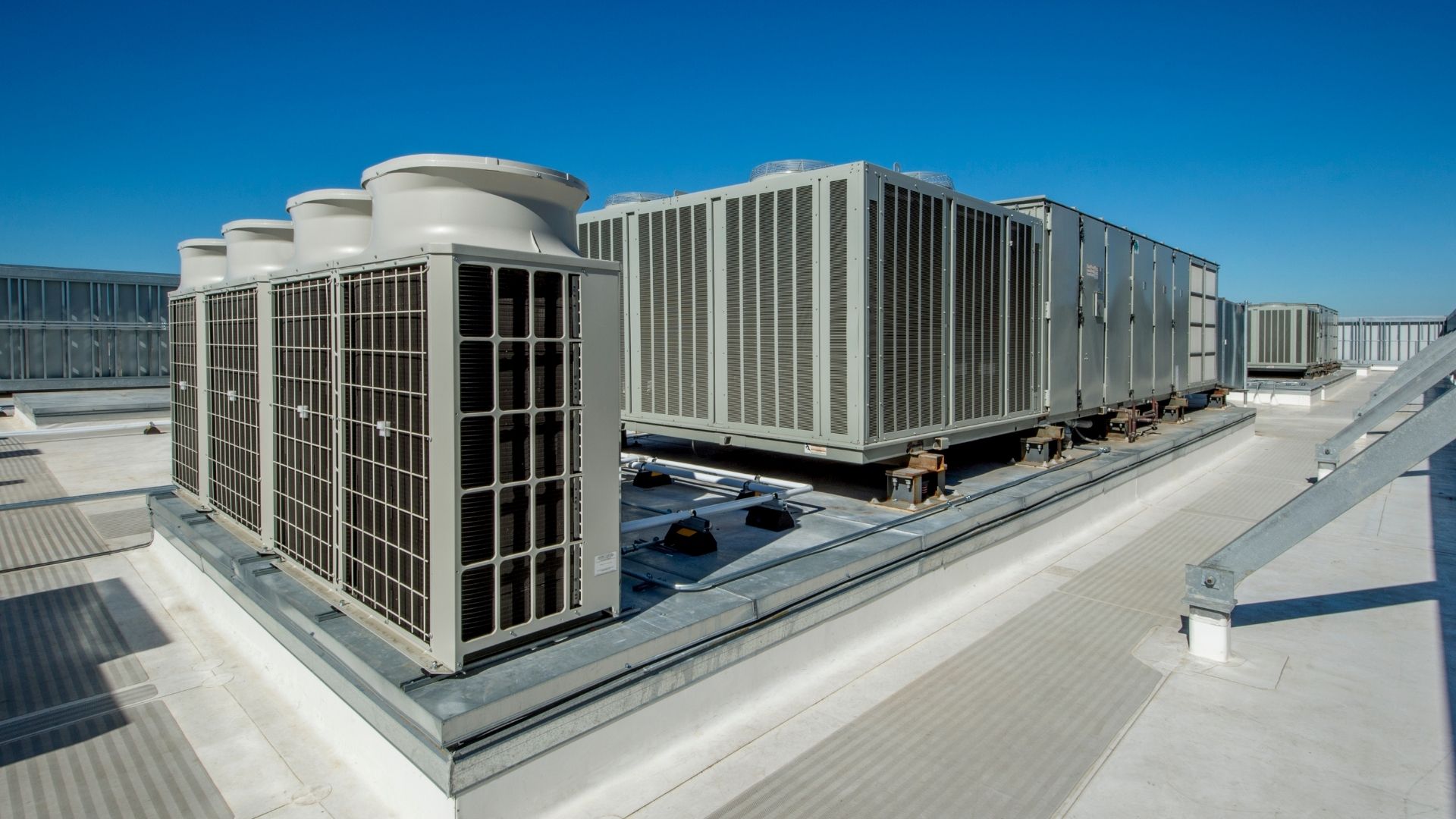
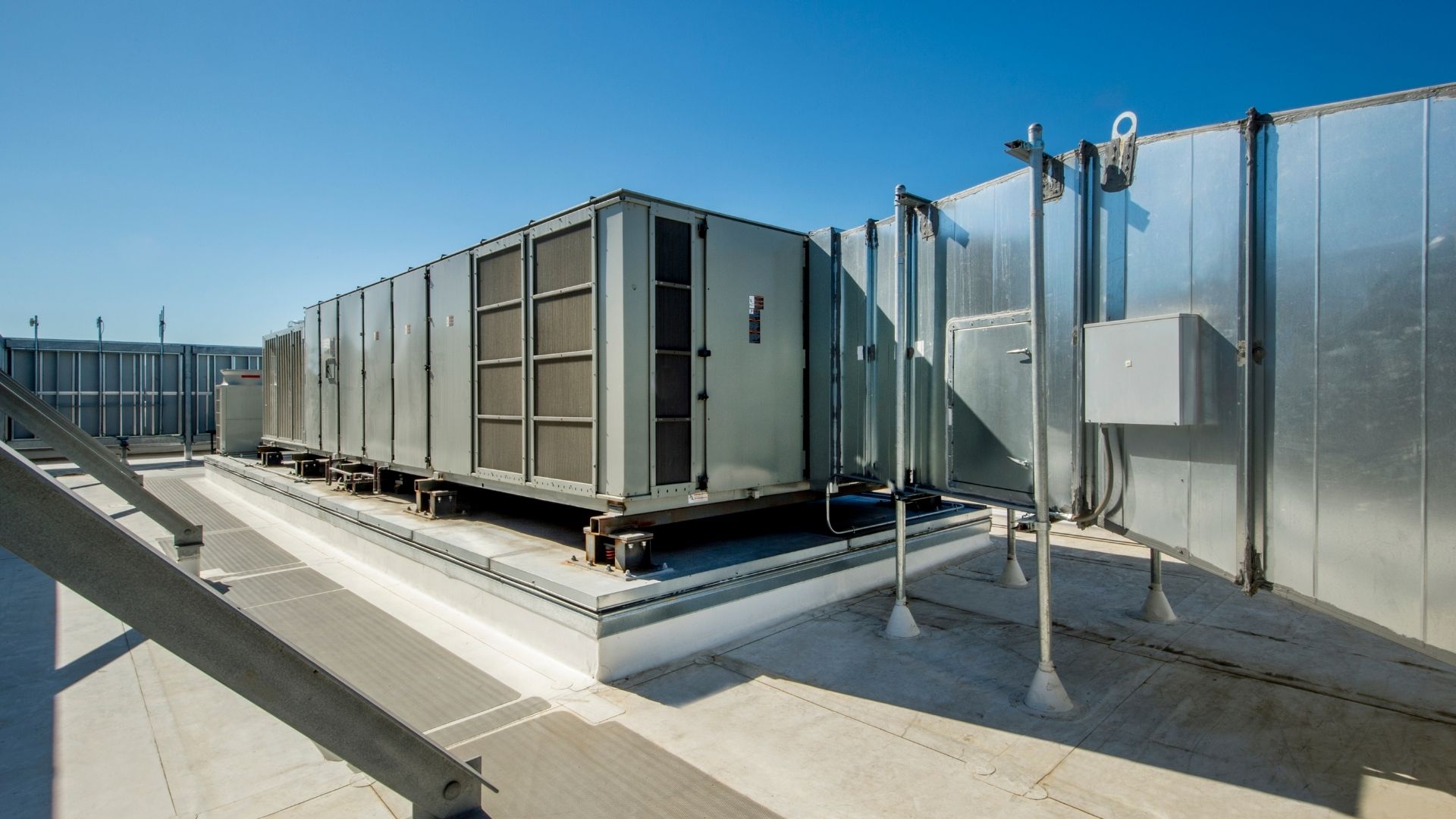
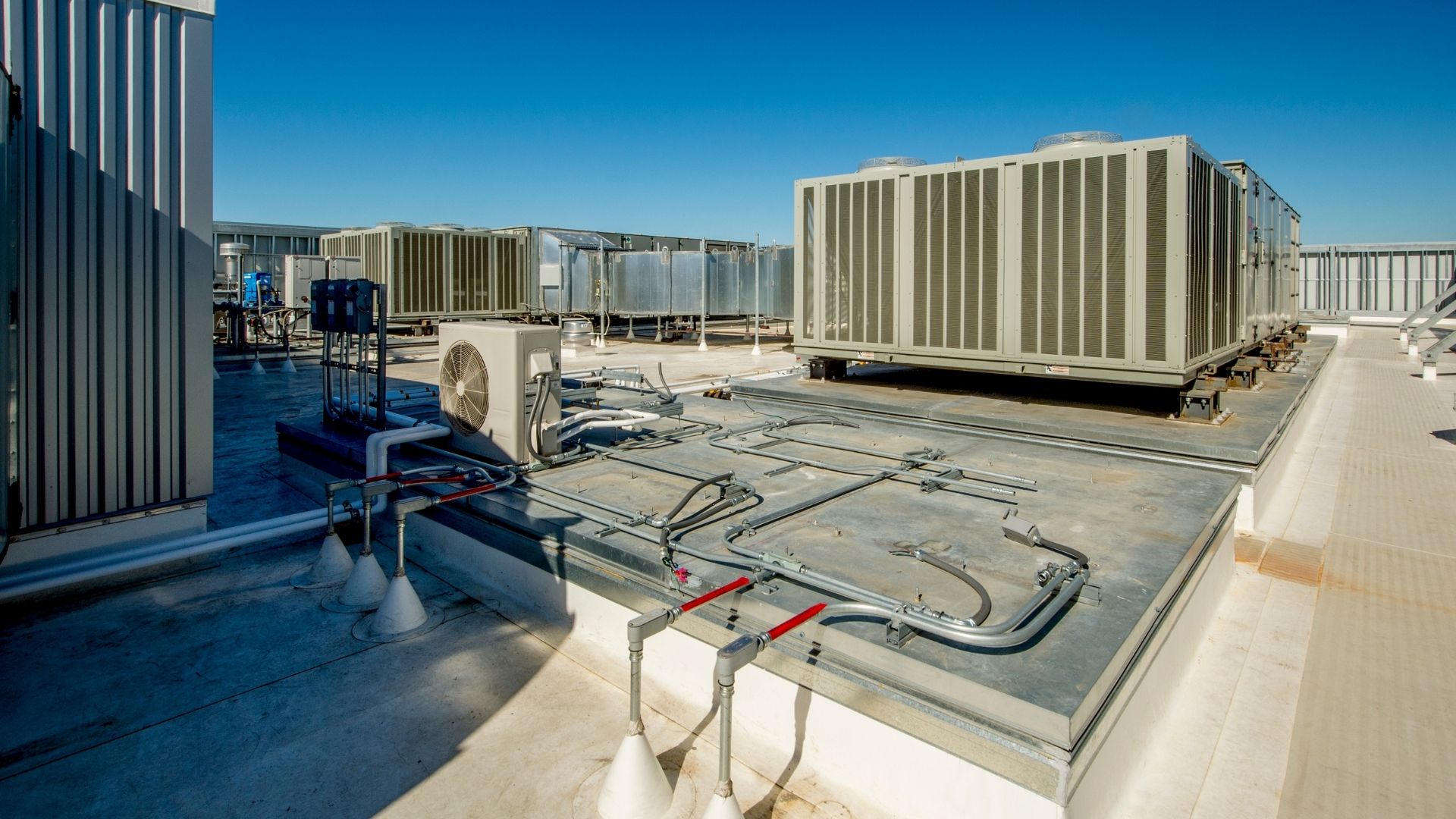
Why It's Ideal: Rooftop units are designed for large restaurants or establishments with multiple sections, such as cafeterias, hotels, or banquet halls. These systems are installed on the roof, which frees up valuable indoor space, and they provide central heating and cooling for expansive areas.
Advantages:
Easy to maintain: Located on the roof, out of sight, and easily accessible for maintenance.
Saves indoor space: Keeps the restaurant’s interior free from bulky HVAC equipment.
Central cooling and heating: Ideal for large-scale operations with diverse temperature needs.
Example Systems:
Carrier WeatherMaker
Trane Precedent
HVAC Systems for Restaurants: Cost Comparison
Choosing the right HVAC system for your restaurant involves understanding the initial costs, ongoing maintenance expenses, and potential long-term energy savings. Here’s a detailed comparison to help you make an informed decision:
HVAC System Type | Initial Installation Cost | Ongoing Maintenance Cost (Annually) | Long-Term Energy Savings |
Split Systems | $3,000 - $7,000 | $100 - $300 | Can save up to 30% on energy bills compared to older systems |
Packaged Systems | $5,000 - $10,000 | $500 - $1,500 | Energy-efficient models can lead to long-term savings of up to 30% |
Ductless Mini-Split Systems | $2,500 - $6,000 per zone | $100 - $300 per zone | Significant energy savings, especially in zoned cooling/heating |
Rooftop Units | $8,000 - $15,000 | $500 - $1,500 | High efficiency models save up to 30% in energy costs over time |
Cost is an important factor, but how do you select a trustworthy HVAC service provider to help maintain your system?
How to Choose the Right HVAC Service Provider for Your Restaurant
Choosing the right HVAC service provider is essential to ensure that your restaurant’s system operates smoothly and efficiently. Here are the key factors to consider when selecting a service provider:
Licensing and Experience
Ensure the service provider has the necessary HVAC/R licenses and experience working with restaurant HVAC systems. A provider with a good reputation in the industry will have the knowledge and skills to handle the unique challenges of restaurant systems, such as high heat loads and grease-laden air.
Customer Support and Emergency Services
Choose a service provider that offers 24/7 emergency support. HVAC breakdowns can disrupt your operations, especially during peak hours. A provider with fast response times can help you avoid costly downtime and customer dissatisfaction, ensuring minimal disruption to your business.
Transparent Pricing and Service Contracts
Look for clear, upfront pricing with no hidden fees. Service contracts should outline the scope of services, including routine maintenance and emergency repairs. A transparent service agreement will help you budget effectively and avoid unexpected costs.
Why Choose Central Air & Refrigeration (CAR) for Your Restaurant's HVAC Needs
When it comes to keeping your restaurant’s HVAC systems in top condition, choosing the right service provider is essential. Here’s why Central Air & Refrigeration (CAR) can be the ideal partner for your restaurant’s HVAC requirements:
Expert Technicians with Industry-Specific Knowledge
CAR's technicians are highly trained in handling all types of commercial HVAC systems, including those used in the restaurant industry. With years of experience servicing systems that handle high heat loads, humidity, and grease-laden air, CAR ensures that your HVAC system is running efficiently and reliably.
Comprehensive Service Plans & Maintenance
CAR offers customized service plans designed to meet the specific needs of your restaurant. Whether you need routine inspections, emergency repairs, or complete system overhauls, CAR tailors solutions to fit your equipment and operational demands.
24/7 Emergency Support & Quick Response Times
Downtime can be costly, especially during peak hours. CAR offers 24/7 emergency support to address urgent HVAC issues. With guaranteed fast response times, you can count on CAR to get your system back up and running in no time.
Energy Efficiency & Cost Savings
CAR helps your restaurant improve its energy efficiency with proactive HVAC maintenance. By ensuring your system is operating at peak efficiency, CAR can help you lower energy bills and reduce overall operating costs.
Conclusion
Choosing the best HVAC system for your restaurant is an investment in comfort, efficiency, and long-term savings. By considering the size of your space, your cooling and heating needs, and opting for a service provider like Central Air & Refrigeration, you ensure your restaurant's HVAC system runs efficiently, keeping both staff and customers comfortable.
CTA: Want to find the perfect HVAC system for your restaurant? Contact Central Air & Refrigeration today for expert advice and installation services tailored to your needs!
Frequently Asked Questions (FAQs)
What is the best HVAC system for a restaurant?
The best HVAC system depends on your restaurant's size, climate, and budget. For small restaurants, split systems or ductless mini-splits may be sufficient, while larger operations may benefit from packaged systems or rooftop units.
How often should I service my HVAC system in a restaurant?
Regular maintenance is essential. We recommend at least annual service for smaller systems, and biannual or quarterly service for larger or high-demand operations.
What is the cost of installing an HVAC system in a restaurant?
The cost varies depending on the system. Small units can cost between $3,000 and $7,000, while larger systems may cost upwards of $15,000.
Can I maintain the HVAC system myself in my restaurant?
While some basic tasks like changing filters and checking temperature logs can be handled by staff, professional HVAC service is required for more complex maintenance and repairs.
How do I choose an HVAC service provider for my restaurant?
Look for an experienced, licensed provider with 24/7 emergency support, transparent pricing, and a track record of working with commercial restaurant systems.