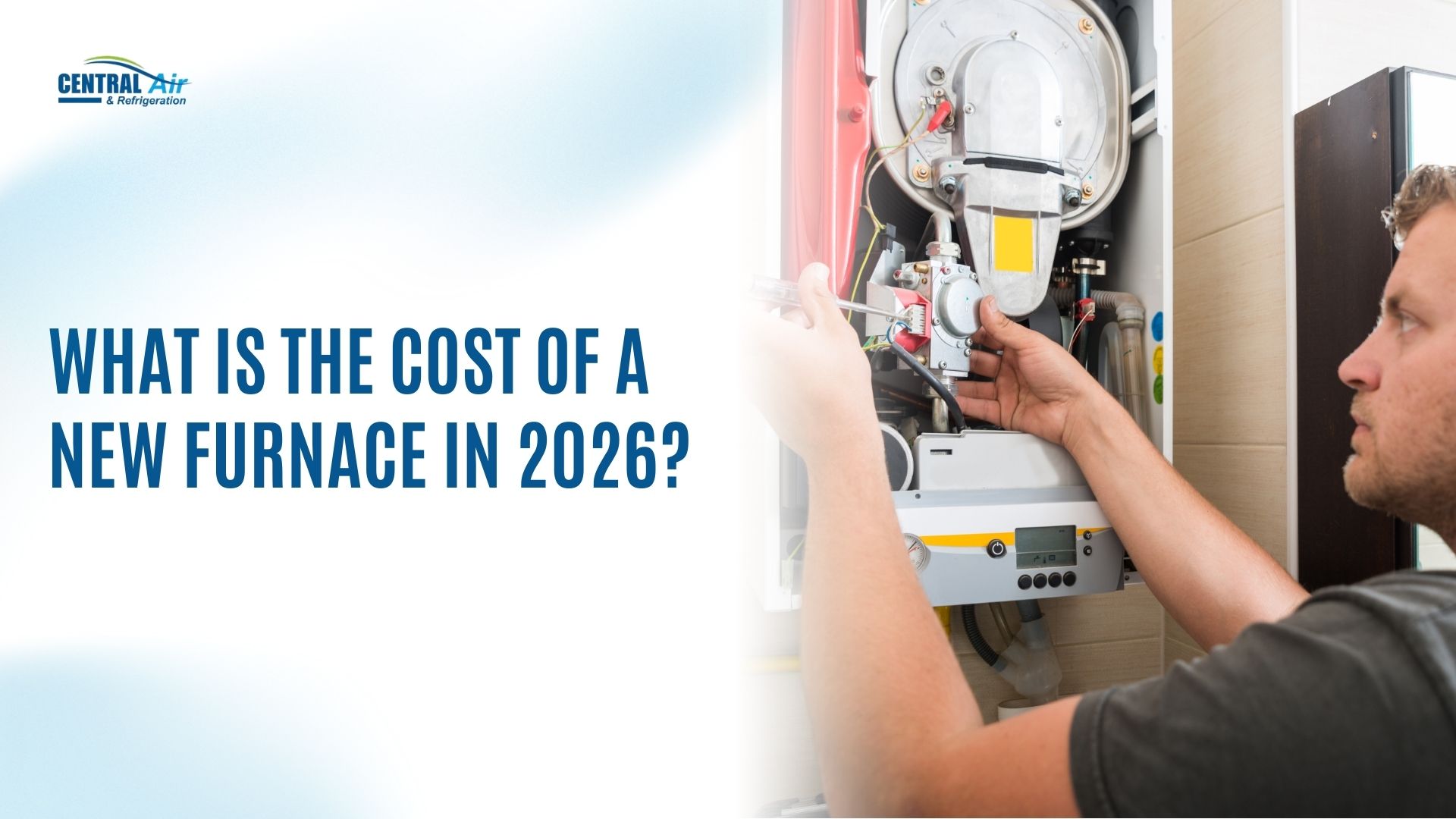
When your furnace begins to show signs of failure, the decision to repair or replace it can be daunting. While repairs may seem like a quick fix, if your furnace is over 10–15 years old, replacement could offer long‑term savings and reliability. The average furnace lasts 15–20 years, and after this period, continuing to repair it may only keep you spending more money without solving the underlying issue.
In Bryan and College Station, Texas, where winter temperatures can dip unexpectedly, having a reliable furnace is crucial for home comfort. Replacing your furnace may be a smarter investment, saving you from frequent repairs and improving energy efficiency.
In this guide, we’ll explore the costs of installing a new furnace and provide insight into when replacing your furnace makes the most sense.
Key Takeaways
Furnace Replacement Costs: In Bryan & College Station, a typical furnace replacement can range from $2,500 to $6,000, depending on the type, size, and efficiency of the system.
Repair Costs vs. Replacement: Furnace repairs in the area can cost around $300 on average, but if your furnace is older than 10–15 years, repeated repairs may quickly exceed the cost of a replacement.
Factors Affecting Cost: Several factors influence furnace costs, including fuel type (gas, electric, propane), system size (BTUs), energy efficiency (AFUE rating), and installation complexity.
Energy-Efficient Models: Investing in a high-efficiency furnace (90%+ AFUE) may have a higher upfront cost but offers long-term savings on energy bills, making it a better choice for long-term comfort.
Installation Complexity: The complexity of installation, such as the need for ductwork modifications or difficult-to-access locations, can increase costs. Make sure you get a detailed estimate from your HVAC professional.
How Much Does a New Furnace Cost in Bryan & College Station, Texas?
When evaluating whether to repair or replace your furnace, understanding the local cost context is crucial. Of course, furnace lifespan can be a bit subjective, but how many times are you willing to make repairs?
In some cases, continuing with repairs can be a cost-effective option, while in others, replacing the system may offer long-term savings. Let’s look at the cost in both cases.
Replacement and Installation Costs
Nationally, full furnace replacements (equipment + installation) run between $4,000 and $10,000.
For Bryan & College Station, a cost calculator lists material costs between $1,334 and $1,626, excluding labor, permits, and full installation.
In Texas more broadly, a standard gas furnace replacement may cost $2,500 to $5,000, with high‑efficiency or complex installs climbing to $8,000+
Repair Costs
In Bryan, TX, homeowners pay around $300 on average for furnace repairs, with the range spanning approximately $96 to $774 depending on the issue.
National data shows furnace repairs can range from $150 up to $600 for common fixes, and in more severe cases (major component replacement) up to $1,000–$3,000.
Whether you are replacing an old furnace or upgrading to a more efficient model, our team at Central Air and Refrigeration provides professional and hassle-free furnace installation.
Once you've weighed repair costs against replacement, the next decision is which furnace type makes sense for your home. Gas, electric, and propane systems each come with distinct price tags.
Types of Furnace in Texas with Cost Breakdown and Key Pros & Cons
There are different furnace fuel and efficiency types that home-owners commonly consider. Each type has different upfront costs and operating expenses. When evaluating a replacement, it’s helpful to know which category your home falls into so you can budget accordingly.
Furnace Type | Typical Cost Range in Texas | Pros and Cons |
Standard Gas Furnace (mid-efficiency, natural gas) | $2,500 – $5,000 for basic models. | Pros: Lower fuel costs due to natural gas; faster heat delivery. Cons: Higher upfront installation cost, need for gas line/venting. |
High-Efficiency Gas Furnace (90%+ AFUE) | $4,000 – $8,000+ installation. | |
Electric Furnace | $1,800 – $5,000 (basic) to $7,300+ for upgrades | Pros: Low installation cost; no gas line or venting; fewer maintenance issues. Cons: Higher operating costs in many areas; less effective in cold climates. |
Propane / Oil / Specialty Fuel Furnaces | $4,000 – $7,500+ or even higher, depending on fuel. | Pros: Works in homes without natural gas lines; propane burns clean and is often more efficient than oil. Cons: Requires on‑site fuel storage (tank); fuel cost and delivery logistics can increase overhead. |
The furnace type you choose is just the starting point. Your actual out-of-pocket expense depends on several variables specific to your home and installation requirements, each of which can shift the final bill substantially.
Factors Affecting New Furnace Cost
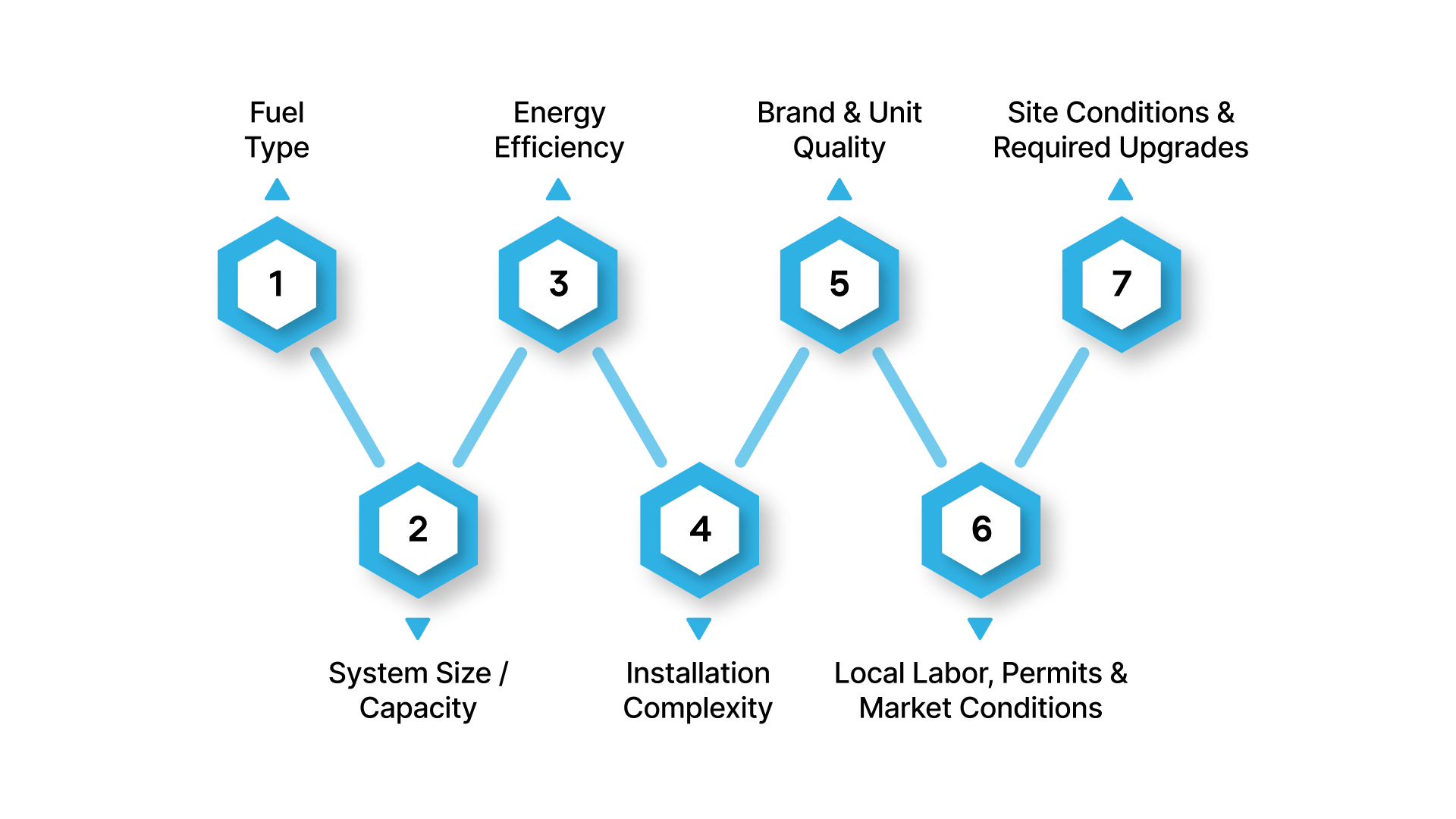
When considering a new furnace, the total cost isn’t just about the unit’s price tag. Several factors influence the final price, from the type of system to the complexity of installation. Understanding these factors will help you budget the expenses.
Fuel Type
Natural Gas, Electric, Propane, or Oil: The type of fuel your furnace uses impacts its cost. Gas furnaces are commonly used and often offer the best balance of efficiency and installation cost, but electric furnaces tend to have lower installation costs and fewer components. Propane and oil systems might be necessary for homes without gas lines, but they can be more expensive to install and operate.
System Size / Capacity
BTUs and Home Size: The required furnace size (measured in British Thermal Units, BTUs) depends on the square footage of your home, insulation, and local climate. Larger homes or poorly insulated houses require higher capacity systems, which increases the furnace and installation cost.
Small Homes (<1,000 sq. ft.): Often need 40,000-60,000 BTUs.
Average Homes (1,000-2,000 sq. ft.): Require 60,000-100,000 BTUs.
Large Homes (>2,000 sq. ft.): May need 100,000-140,000 BTUs.
Energy Efficiency (AFUE Rating)
The Annual Fuel Utilization Efficiency (AFUE) rating of a furnace indicates how efficiently it converts fuel into heat. A higher AFUE rating means less fuel is wasted, resulting in lower long-term operating costs. Furnaces with 90%+ efficiency tend to be more expensive upfront but save you money in the long run, especially in colder climates
Installation Complexity & Location
Access and Modifications: The complexity of installing the furnace can increase the overall cost. If your furnace needs to be installed in a difficult-to-access location (attic, crawl space) or requires modifications to existing ductwork or gas lines, installation costs will rise, as it adds up additional labor and materials, driving up costs.
When it’s time for a new furnace, Central Air & Refrigeration can take care of the installation from start to finish. Their team in Bryan, Texas, handles system setup, and the new unit integrates smoothly into your home’s HVAC system.
Brand & Unit Quality
Premium vs. Standard Brands: Well-known brands like Carrier, Lennox, and Trane come at a higher price, with extended warranties and advanced features like variable-speed motors and smart thermostats, which provide long-term reliability and performance. Lesser-known or budget brands may be cheaper but could have shorter lifespans and fewer features.
Local Labor, Permits & Market Conditions
Bryan & College Station Specifics: Labor rates and permitting costs vary by region. In Bryan and College Station, local HVAC system professionals may charge different rates based on the area’s demand for service and local codes for installations. Permits for furnace installations can add additional costs.
Site Conditions & Required Upgrades
Ductwork and Fuel Line Modifications: If your home requires new ductwork or if the furnace needs to be installed in a space that requires significant modification (e.g., switching from electric to gas, upgrading gas lines, installing new vents, or retrofitting old ductwork), the cost can increase. The more extensive the modifications required, the higher the installation cost will be.
Understanding what drives furnace costs is the first step. The real savings come from knowing how to handle the buying process strategically, from timing your purchase to comparing quotes intelligently.
Smart Ways to Lower Your Furnace Costs
Upgrading or replacing a furnace is one of the larger home‑maintenance costs that homeowners in Bryan & College Station face. But you don’t have to accept the highest quote right away. Here are some tips you can apply before and during the furnace replacement process.
Plan your timing: Ask for quotes during off‐peak seasons (late spring or early fall) when HVAC contractors may offer better pricing.
Compare multiple bids: Get at least two or three detailed estimates. Look for breakdowns of equipment, labor, permits, and extras so you can evaluate cost drivers.
Choose the right size & efficiency: Oversizing the furnace inflates cost without improving comfort. Match capacity to your home’s size and insulation. A good model saves fuel, but a review of the cost justifies the savings in your climate.
Evaluate repair vs replacement carefully: If your current furnace is under 15 years and repair costs are moderate, you may save by repairing rather than replacing immediately. Track cumulative repair costs to find your break‑even point.
Consider equipment tier realistically: Premium brands and features (variable‑speed motors, smart thermostats) cost more. Balance cost vs value based on your budget and plans to stay in the home.
Bundle work when possible: If you have other HVAC or refrigeration system work scheduled, combine projects to reduce mobilization/labor overhead.
Maintain your system: After installation, keeping filters clean, vents clear, and scheduling annual tune‑ups extends lifespan and protects your investment.
Ask about rebates & financing: Check for local utility rebates in Texas and contractor financing offers to ease upfront cost and potentially lower your monthly payment.
Benefits of Hiring an HVAC Professional for Furnace Installation & Maintenance
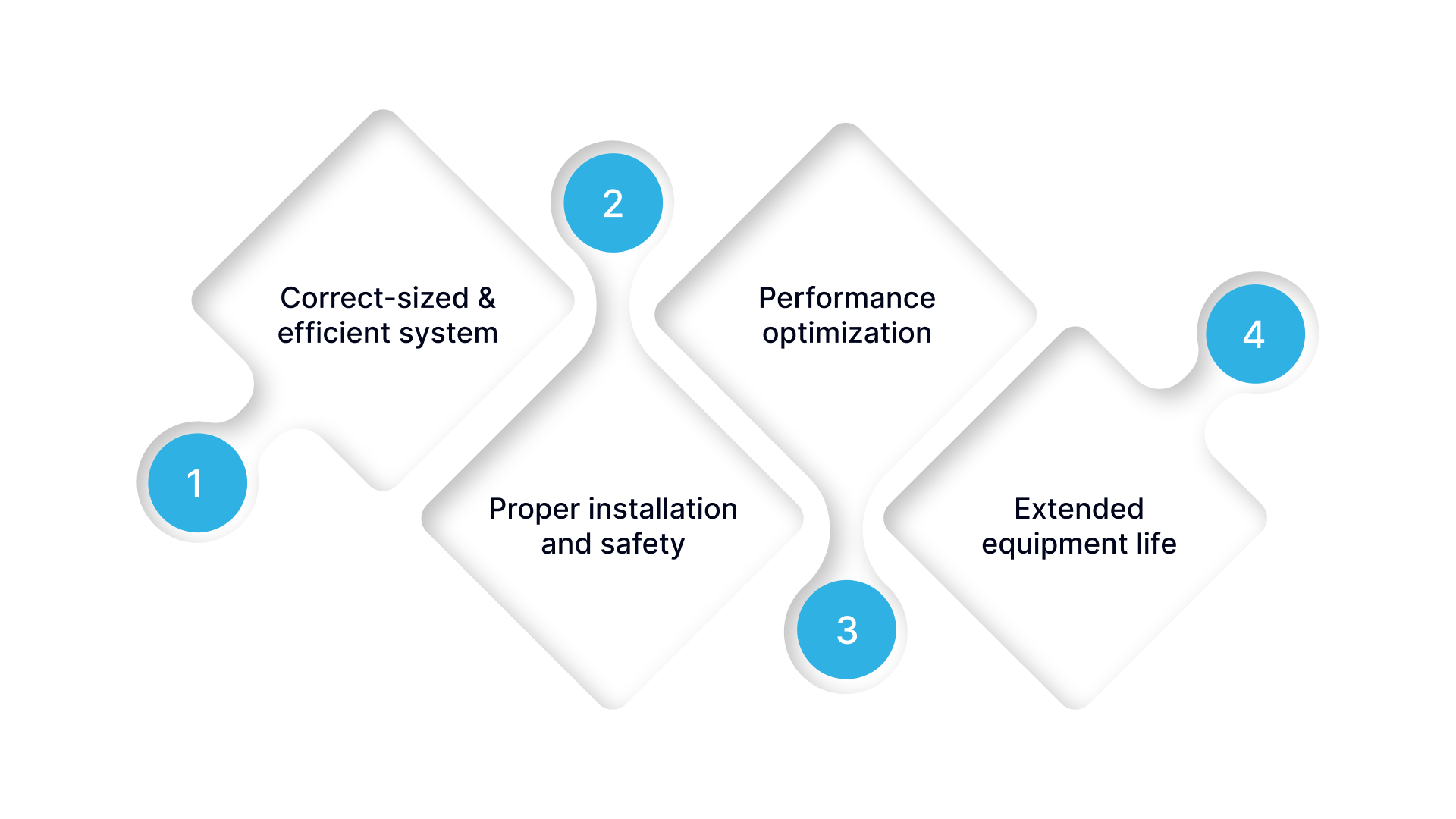
When it comes to your home or business, ensuring that your furnace maintenance and installation are done correctly and maintained regularly isn’t just about comfort; it’s also about reliability and long‑term cost savings. By entrusting the job to a local, proven HVAC contractor like Central Air & Refrigeration, you avoid the pitfalls of amateur installation, premature system failure, higher energy bills, and frequent repairs.
Correct-sized and efficient system: Professionals assess your space, insulation, ductwork, and climate to determine the right furnace size and model.
Proper installation and safety: Licensed technicians check that gas lines, vents, and electrical connections comply with regulations and operate safely, reducing the risk of carbon monoxide leaks or system malfunctions.
Performance optimization: A pro installs and configures your system to reach its rated efficiency, which can shorten the payback period on a new furnace.
Extended equipment life: A quality installation plus routine maintenance from experts prevents early breakdowns, extending the lifespan of your system.
Conclusion
Understanding the cost of a new furnace and the factors affecting it is essential when making the decision to replace or repair your heating system. Whether you're in Bryan and College Station, Texas, or elsewhere, taking the time to assess furnace type, size, energy efficiency, installation complexity, and long-term savings can ensure that you're making the best investment for your home or business.
With over 10+ years of experience, Central Air & Refrigeration is your trusted local HVAC expert in Bryan and College Station, Texas. They specialize in furnace installation, repair, and maintenance, offering licensed, reliable service backed by 24/7 emergency support. Contact us today to schedule your furnace installation or maintenance with the professionals you can trust.
FAQs
What is the best time of year to buy a furnace?
The best time to buy a furnace is typically during the off-season, such as late spring or early fall. This is when HVAC companies experience less demand, and you may find better pricing and deals.
Should a 25-year-old furnace be replaced?
Yes, a 25-year-old furnace is nearing the end of its lifespan, which typically lasts 15–20 years. It's more cost-effective to replace it with a new, energy-efficient model rather than continue with frequent repairs.
What furnace brand has the best warranty?
Brands like Trane, Carrier, and Lennox typically offer some of the best warranties, including 10-year parts coverage and extended labor warranties when properly registered. Always check the specifics of the warranty at the time of purchase.
How can I tell if my furnace is leaking carbon monoxide?
If your furnace is leaking carbon monoxide, you may notice symptoms such as headaches, dizziness, nausea, or confusion in your home. Additionally, a yellow or orange pilot light, soot around the furnace, or an acrid smell could indicate a problem.