For decades, heat pumps were considered a “mild-climate only” heating option. They worked well in spring and fall but struggled when winter temperatures dropped below freezing. Homeowners in colder regions relied on furnaces or electric resistance heating because traditional heat pumps simply couldn’t keep up.
That has changed.
Modern cold-climate heat pumps (CCHPs) are engineered with advanced technology that allow them to deliver reliable heat even in extreme winter conditions. These new systems have quickly become one of the most promising heating solutions for cold regions, offering lower energy bills, reduced fossil-fuel use, and year-round comfort in a single system.
Let's explore how these systems work and why they might be the best investment for your home or business.
Key Takeaways
Cold climate heat pumps are designed to work efficiently even in freezing temperatures (down to –15°F or lower). They extract heat from outdoor air—rather than generating it—making them up to 50% more energy-efficient than traditional heating systems.
Advanced features like variable-speed compressors, enhanced refrigerants, and adaptive defrost cycles help maintain performance in extreme cold.
Although installation costs may be higher upfront, homeowners typically save 20–50% on heating bills, reaching a break-even point within 5–7 years.
With proper maintenance, these systems last 15–20 years, offering reliable long-term comfort.
For expert installation and system selection, Central Air & Refrigeration (CAR) provides tailored solutions and 24/7 support.
Cold Climate Heat Pump: An Introduction
Cold climate heat pumps (CCHP) are specialized heating systems designed to operate efficiently in extreme cold temperatures, including environments that experience subzero conditions.
How They Differ from Traditional Heat Pumps
Traditional heat pumps, commonly used in milder climates, are often not equipped to extract heat efficiently when outdoor temperatures fall below 30°F. When the temperature drops, their efficiency decreases, leading to higher energy consumption or the need for auxiliary heating to maintain indoor comfort.
Cold climate heat pumps, however, are built with advanced technology and components that allow them to function effectively in temperatures as low as -15°F or even lower. This makes them a reliable option for homes and businesses in regions with harsh winters, where traditional systems may fail to provide sufficient heating.
Now that you know what sets cold climate heat pumps apart, it’s time to explore why so many homeowners choose them for long-term comfort and savings.
Benefits of Using Cold Climate Heat Pumps
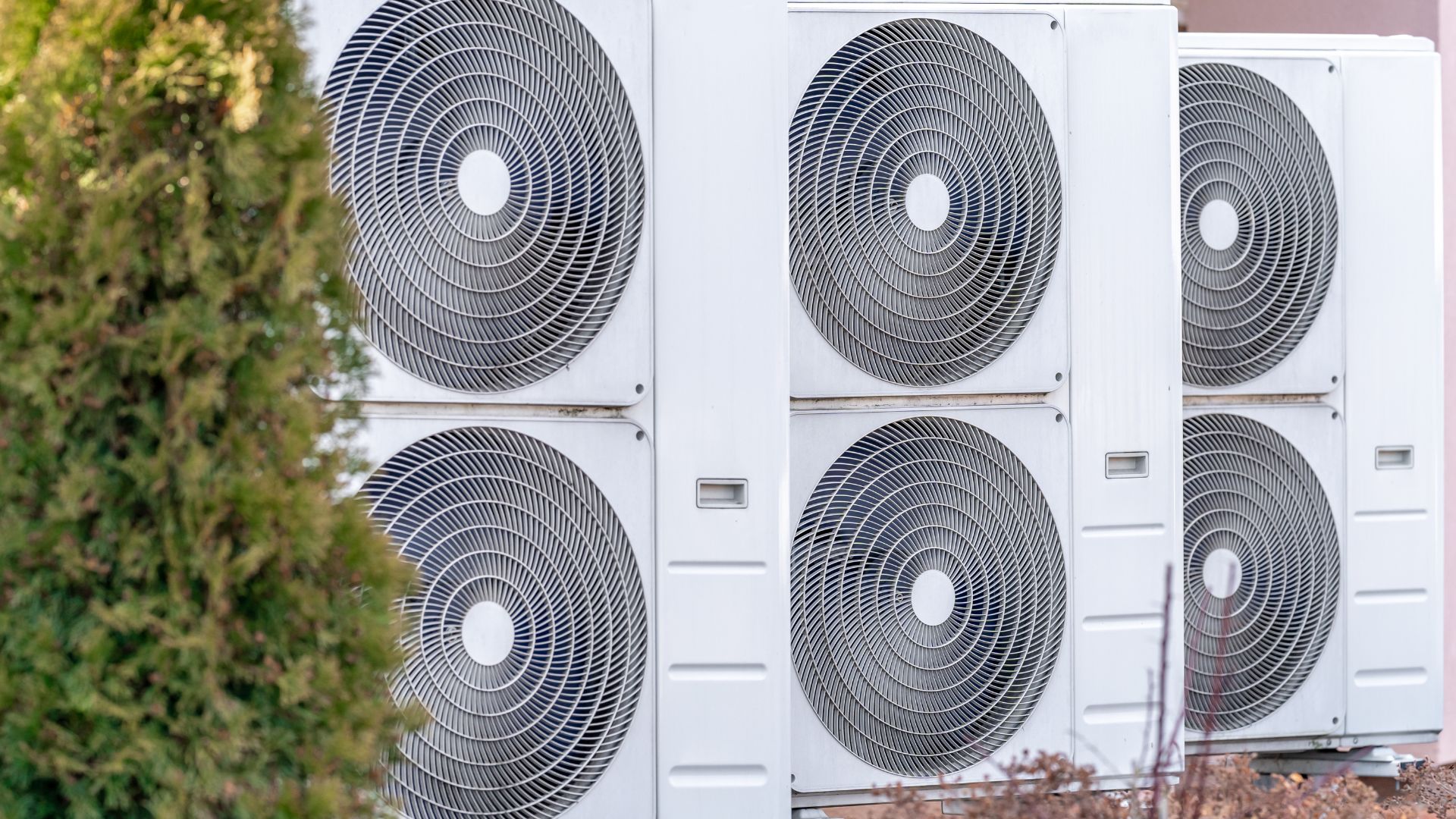
Cold climate heat pumps offer a range of advantages that make them an ideal solution for homes in freezing temperatures. Here’s a closer look at their benefits:
Energy Efficiency
Lower energy bills: Cold climate heat pumps reduce energy consumption by efficiently extracting heat from the air, saving homeowners up to 50% compared to traditional heating systems.
Reduced reliance on fossil fuels: These systems transfer heat rather than generate it, minimizing fossil fuel use and promoting sustainability.
Environmental Impact
Lower carbon emissions: Cold climate heat pumps produce fewer greenhouse gases than oil or gas-powered heating systems, making them a greener option.
Eco-friendly alternative: They are more energy-efficient than electric resistance heaters, reducing both environmental impact and energy consumption.
Year-Round Comfort
Heating and cooling in one: Cold climate heat pumps provide both heating in winter and cooling in summer, eliminating the need for separate systems.
Cost and space savings: Combining both functions in one system simplifies installation, maintenance, and energy use, making it an efficient choice for year-round comfort.
How Do Cold Climate Heat Pumps Work in Freezing Conditions?
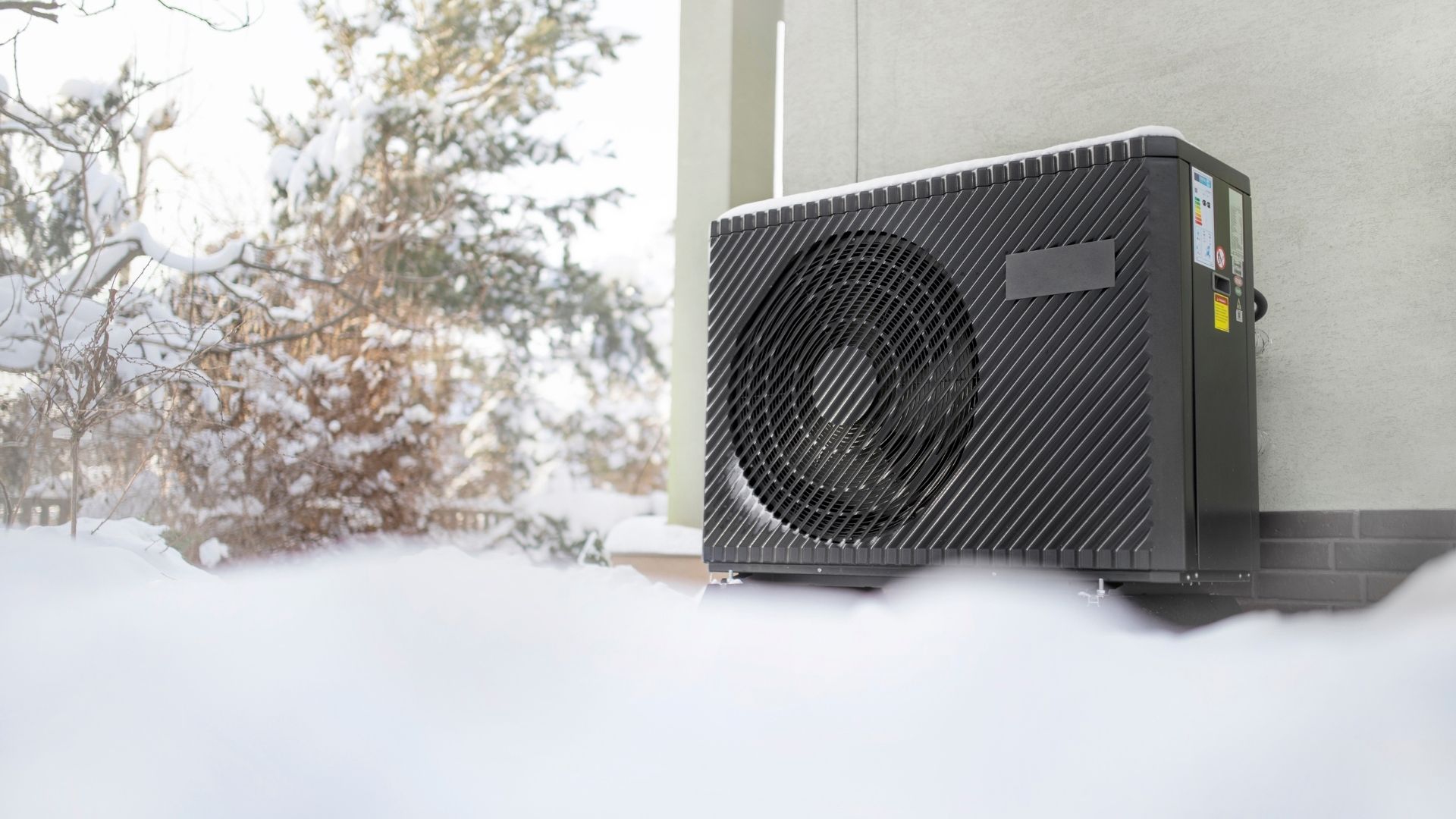
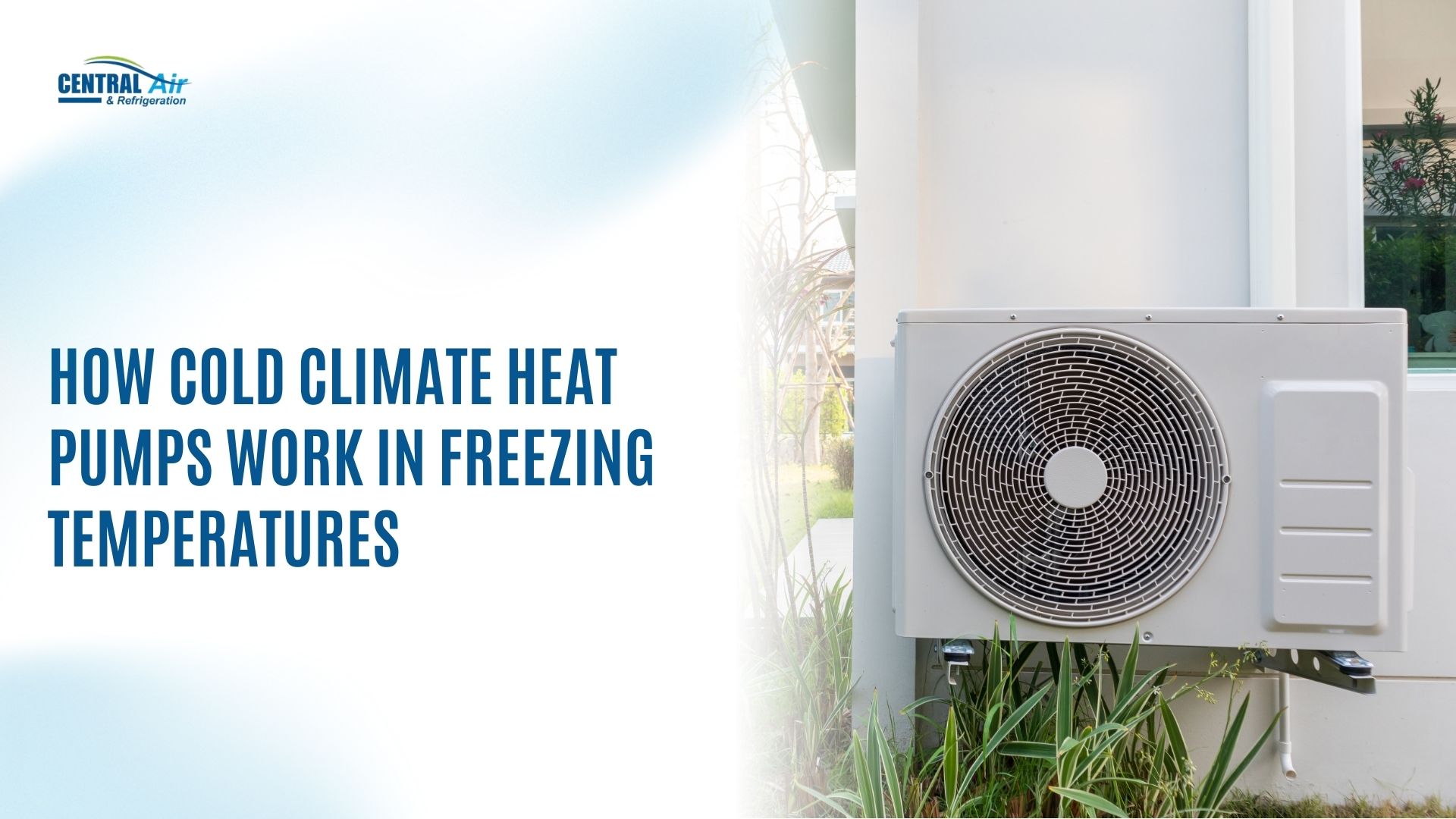
Cold climate heat pumps are designed to operate efficiently even in freezing temperatures, making them a great choice for homes in colder regions. Unlike traditional heating systems that generate heat, cold climate heat pumps work by moving heat from the outside air into your home, which is a much more energy-efficient method.
In this section, we’ll explore how these systems function in freezing temperatures, the advanced features that make them effective, and why they’re an excellent solution for homes in cold climates.
Basic Heat Pump Operation
At its core, a heat pump uses a refrigerant cycle to transfer heat. Here's how it works:
Absorbing Heat: Even in freezing temperatures, heat is still present in the outdoor air. The heat pump absorbs this heat using refrigerant coils.
Transferring Heat: The refrigerant absorbs the heat and moves it into the home by passing it through a compressor and a series of indoor coils, raising the temperature inside.
Energy Efficiency: Instead of generating heat like traditional heating systems, a heat pump simply moves heat from the outdoors to the indoors, making it much more energy-efficient.
Advanced Features for Cold Climate Adaptations:
Cold climate heat pumps are specially designed to perform well in sub-zero temperatures. To maintain efficiency and ensure reliable operation in cold weather, these systems are adapted with advanced technology, ensuring top-notch performance.
Feature | What They Do |
Advanced Compressors | These compressors are built to operate at very low temperatures, ensuring that heat can still be transferred effectively. |
Improved Refrigerants | Cold climate heat pumps use special refrigerants that perform better at low temperatures, allowing the pump to extract more heat from the air. |
Defrosting Mechanisms | Cold climate heat pumps come with adaptive defrost cycles that prevent ice from building up on the outdoor coils, which would otherwise reduce efficiency. |
These technological advancements make cold climate heat pumps a reliable and energy-efficient heating solution for homes that experience extremely cold winters.
Efficiency Comparison: Cold Climate Heat Pumps vs. Traditional Heating Systems
Cold climate heat pumps significantly outperform traditional heating systems, especially in freezing temperatures. Their ability to transfer heat rather than generate it makes them far more efficient and cost-effective in the long run.
How Each System Performs:
System Type | Efficiency | Performance in Cold |
Cold Climate Heat Pumps | Up to 50% more efficient than electric resistance heating | Effective even at -15°F or lower |
Electric Resistance Heating | 100% electricity consumption to generate heat | Extremely inefficient and costly |
Gas Furnaces | Moderate efficiency, but higher operational costs | Less energy-efficient and more expensive |
Beyond efficiency, cost is often the deciding factor. So how do cold-climate heat pumps compare in terms of installation, savings, and maintenance?
Cold Climate Heat Pump Pricing: Installation, Savings & Maintenance
When considering a cold climate heat pump, it's essential to weigh the initial installation costs against the long-term savings and lower maintenance expenses. Here's a breakdown of the costs and savings associated with these systems.
Initial Installation Costs
While the upfront cost of installing a cold climate heat pump may be higher than traditional heating systems, this initial investment is often offset by energy savings over time. Here's a comparison:
System Type | Installation Cost | Notes |
Cold Climate Heat Pump | $6,000 - $15,000 | Higher upfront cost due to advanced technology, but savings in energy use and dual functionality (heating and cooling). |
Traditional Gas Furnace Heating | $3,000 - $7,000 | Lower upfront cost, but higher energy consumption over time. |
Electric Resistance Heating | $1,500 - $5,000 | Cheapest initial installation, but very inefficient, leading to high operating costs. |
Although cold climate heat pumps are more expensive initially, the cost difference is mitigated by their efficiency in both heating and cooling, reducing reliance on costly electricity or gas systems.
Break-Even Point
Though the initial investment may be higher, cold climate heat pumps typically pay for themselves in energy savings within 5 to 7 years, depending on energy prices and local climate. After the break-even point, you can enjoy lower utility bills for the system’s lifespan, which typically lasts 15–20 years.
For example:
Annual Energy Savings: If a cold climate heat pump saves $500–$1,000 per year in energy costs compared to a traditional system, it could take just 6–8 years to break even.
Post-Break-Even Savings: After the break-even point, the savings continue for the life of the heat pump, contributing to long-term value.
Maintenance Costs
Cold climate heat pumps generally require less maintenance than traditional systems like gas furnaces or electric heaters. Here’s a comparison:
System Type | Annual Maintenance Cost | Notes |
Cold Climate Heat Pump | $200 - $400 | Lower maintenance due to fewer components and less wear and tear. |
Gas Furnace | $300 - $500 | More parts to maintain, including burners, pilot lights, and gas valves. |
Electric Resistance Heating | $100 - $200 | Requires minimal maintenance but is inefficient, leading to higher energy costs. |
Why Heat Pumps Require Less Maintenance:
Fewer moving parts compared to furnaces
Longer life expectancy with regular servicing
No combustion, eliminating the need for frequent cleaning and inspections as seen with gas-powered systems.
Key Specifications to Look for When Purchasing A CCHP
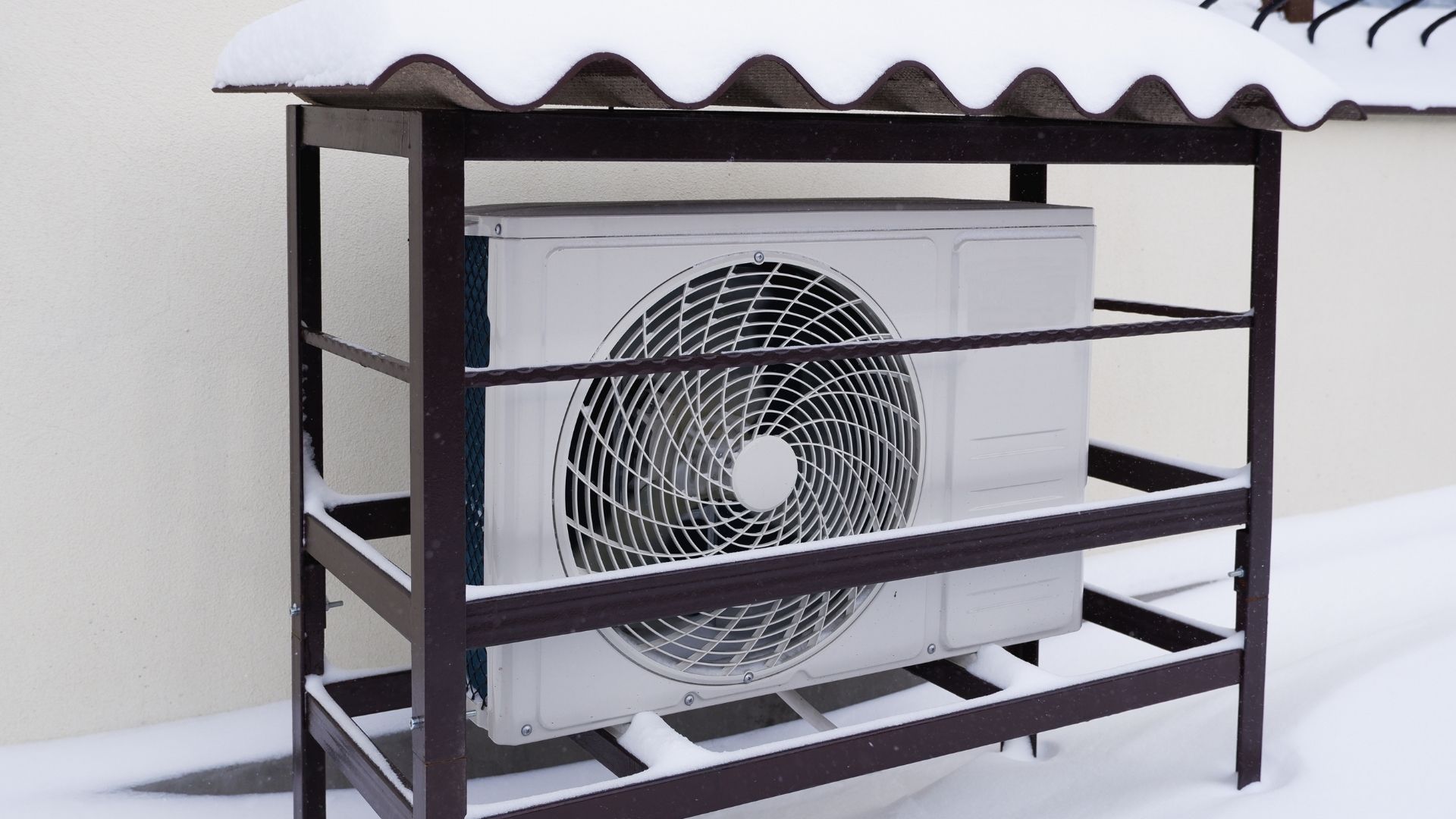
Choosing the right cold-climate heat pump (CCHP) goes beyond brand names. To ensure reliable heating in freezing temperatures, it is important to focus on the technical specifications that directly impact performance in harsh winter conditions. Here are the features that matter most:
Variable-speed/inverter-driven compressor
This technology allows the heat pump to automatically adjust output based on outdoor temperature. Instead of turning on and off like older systems, it runs smoothly at varying speeds—maintaining consistent heating even during severe cold snaps.
Strong low-ambient performance
A high-quality CCHP should deliver steady heating at very low temperatures. Look for models rated to operate efficiently at 5°F or lower, with many modern systems maintaining performance down to –15°F or below.
High efficiency ratings
Check for strong HSPF2 (or HSPF) and SEER2 (or SEER) ratings. Higher numbers indicate better energy performance year-round. Many certified cold-climate heat pumps exceed federal efficiency standards, ensuring long-term cost savings.
Reliable defrost and frost-management system
In freezing or humid conditions, frost can accumulate on outdoor coils and reduce efficiency. A good CCHP includes adaptive defrost cycles that automatically clear ice buildup without wasting energy.
Understanding these specifications helps you choose a heat pump that delivers dependable, efficient heating in the harshest weather. But selecting the right system is only half the equation. You also need a professional installation partner who knows how to size, configure, and optimize your CCHP for real-world winter conditions.
Why Choose Central Air & Refrigeration for Your Heat Pump Installation?
When it comes to selecting and installing a cold climate heat pump, it’s essential to work with a trusted HVAC provider who understands the unique demands of your home or business. Central Air & Refrigeration (CAR) specializes in providing energy-efficient solutions for cold climates, ensuring that your system not only meets your heating needs but also maximizes energy savings.
Expertise in Heat Pump Installation
CAR has extensive experience installing and maintaining cold climate heat pumps, ensuring that your system is properly sized and tailored to your specific needs.
Customized Solutions for Every Customer
CAR offers personalized consultations to assess your heating needs and recommend the best cold climate heat pump model for your home or business. Whether you’re upgrading from an old system or installing a new one, CAR’s team ensures you receive a system that offers maximum efficiency and comfort.
24/7 Emergency Support
Heating failures in cold climates can be a major inconvenience, especially when temperatures drop significantly. CAR offers 24/7 emergency support to ensure that any issues with your cold climate heat pump are addressed immediately.
Transparent Pricing and Flexible Service Plans
CAR believes in providing clear, upfront pricing with no hidden fees and offers flexible service plans that include regular maintenance, repair services, and emergency support. This ensures that your cold climate heat pump continues to perform at its best year-round, with reduced risk of unexpected breakdowns and costly repairs.
Energy Efficiency and Cost Savings
By choosing CAR for your cold climate heat pump installation and maintenance, you can expect a system that not only lowers your heating bills but also contributes to a greener, more sustainable environment.
Conclusion
Cold climate heat pumps offer a highly efficient and eco-friendly solution for heating in freezing conditions. By extracting heat from the outdoor air—even at temperatures as low as -15°F—these systems provide reliable warmth while significantly reducing energy consumption compared to traditional heating methods. In addition to lowering utility bills, they also provide cooling in the summer, making them a year-round solution for comfort.
With advanced features like variable-speed compressors, enhanced refrigerants, and adaptive defrost cycles, cold climate heat pumps are designed to thrive in even the harshest conditions, providing long-term savings and environmental benefits. They also offer a lower carbon footprint, making them a greener alternative to fossil fuel-based heating systems.
Ready to upgrade to a cold climate heat pump and save on heating costs? Contact Central Air & Refrigeration today for expert installation and personalized advice. Let us help you make the switch to a more energy-efficient and cost-effective solution for your home or business.
FAQ
Do cold climate heat pumps really work in freezing temperatures?
Yes, modern cold climate heat pumps are designed to perform efficiently even in temperatures as low as -15°F. They use advanced technology like variable-speed compressors and adaptive defrosting to maintain comfort in extreme cold.
How much more energy-efficient is a cold climate heat pump compared to a gas furnace?
Cold climate heat pumps can be up to 50% more energy-efficient than traditional gas furnaces, which can lead to significant savings over time.
Are cold climate heat pumps more expensive to install?
While the upfront cost may be higher compared to a traditional system, the long-term energy savings make them more cost-effective over time.
Can I use a cold climate heat pump for both heating and cooling?
Yes, cold climate heat pumps are designed to provide both heating in winter and cooling in summer, offering year-round comfort.
How long does a cold climate heat pump last?
With proper maintenance, a cold climate heat pump can last up to 20 years or more, making it a durable investment for your home or business.