Commercial refrigeration failures are a costly affair. For restaurants, supermarkets, convenience stores, and cold‑storage facilities, a single compressor failure or refrigerant leak can mean thousands of dollars worth of spoiled food, loss of customer trust, regulatory penalties, and emergency repair costs that dwarf regular maintenance fees. That’s why many professional operators are turning to commercial refrigeration maintenance contracts as a proactive way to minimize risk and protect their bottom line.
A well‑structured contract ensures regular inspections, prompt repairs, emergency support, and lower lifetime ownership costs, giving you peace of mind so you can focus on running your business instead of worrying whether your cooler will keep the temperature steady tomorrow.
In this post, we outline everything you need to know to choose, compare, and secure a commercial refrigeration maintenance contract that fits your equipment, your budget, and your business demands.
Key Takeaways
Commercial Refrigeration Maintenance Contracts are service agreements designed to keep your refrigeration systems running smoothly and efficiently. They help prevent breakdowns, improve system performance, and extend equipment life.
Types of Contracts include preventive/scheduled maintenance, full-coverage contracts with repairs and emergency service, labor-only service calls, and custom plans for large or multi-location businesses.
What to Expect in a Good Contract: Look for routine inspections, cleaning, refrigerant checks, 24/7 emergency response, and compliance support. Ensure the contract includes parts, labor, and liability coverage.
Cost Factors: Pricing varies based on system size, usage, location, and service level. Typically, small businesses can expect to pay between $500–$2,500 annually, while larger operations may pay up to $10,000 or more.
Why Maintenance Matters: Regular service saves money in the long run by reducing downtime, extending equipment lifespan, and improving energy efficiency. It also ensures compliance with health and safety regulations.
A Look Into Commercial Refrigeration Maintenance Contracts
A commercial refrigeration maintenance contract is a service agreement between a business and an HVAC contractor to ensure the optimal performance of refrigeration equipment over time. These contracts typically cover routine maintenance, emergency repairs, and sometimes even parts replacement.
The purpose of a maintenance contract is to prevent costly breakdowns, ensure regulatory compliance, improve efficiency, and extend the lifespan of refrigeration equipment. By regularly servicing systems such as walk-in coolers, freezers, and display refrigerators, businesses can avoid emergency repairs that often come with high costs and unplanned downtime.
Now that we know what a maintenance contract is and who should have one, let’s explore the different types of contracts businesses can choose from.
Types of Commercial Refrigeration Maintenance Contracts & What They Include
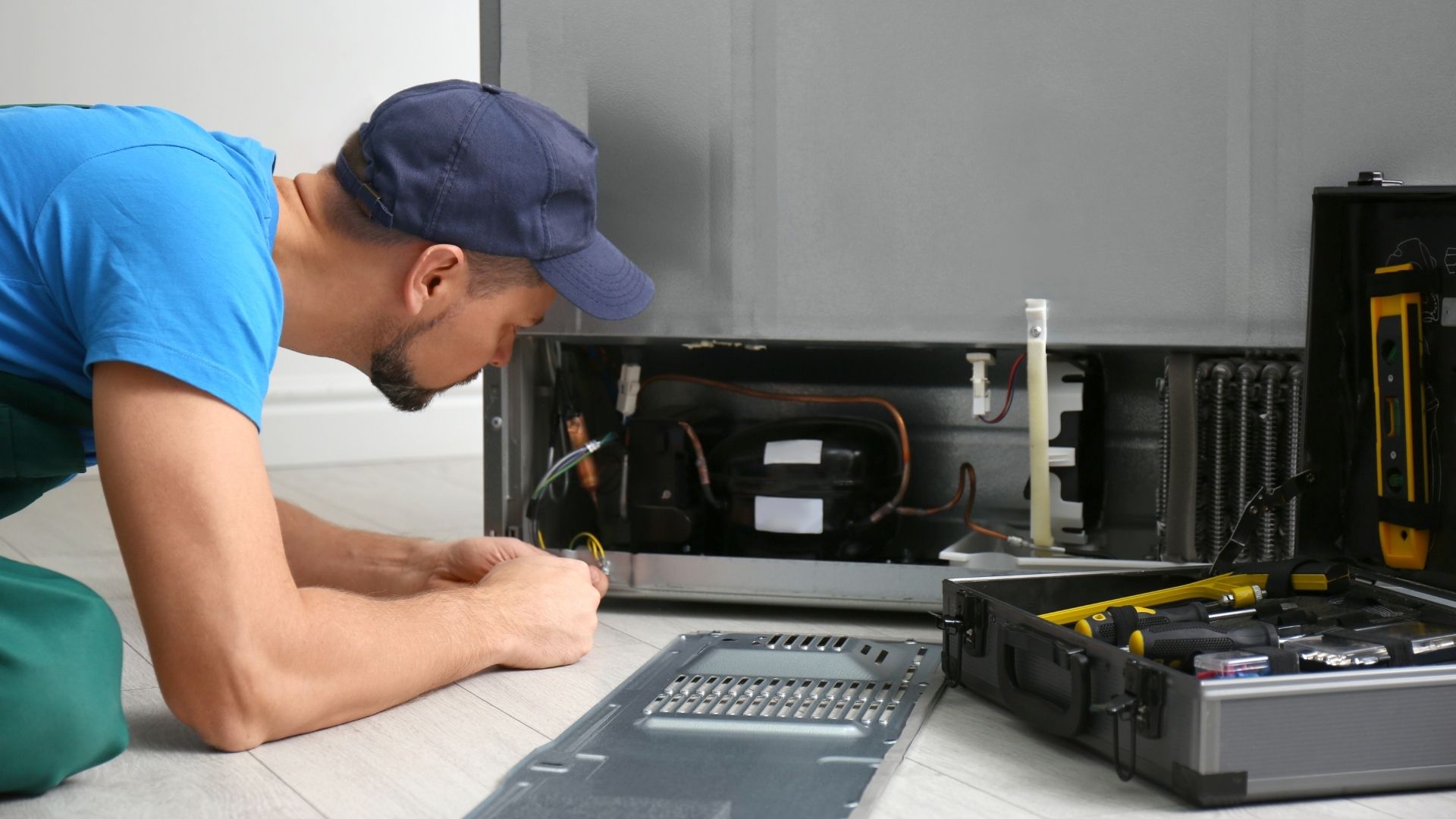
Choosing the right type of maintenance contract is crucial for ensuring your refrigeration systems operate efficiently and reduce the risk of unexpected failures. Below, we explore the different contract options available, each offering varying levels of service and coverage to meet your business’s specific needs.
Preventive/Scheduled Maintenance Contracts
A Preventive or Scheduled Maintenance Contract focuses on regular inspections and scheduled servicing at fixed intervals (usually quarterly, semi-annually, or annually). The primary goal is to prevent system failures and ensure optimal performance over time. These contracts typically include:
Routine Inspections: Checks on compressor efficiency, refrigerant levels, fan and motor operation, and overall system health.
Cleaning and Calibration: Air filter replacement, condenser coil cleaning, evaporator maintenance, and thermostat calibration.
Pre-Scheduled Services: Scheduled visits that aim to identify small issues before they develop into larger, more expensive problems.
These contracts help ensure that systems operate efficiently, reduce energy consumption, and minimize the risk of major breakdowns.
Full-Coverage/Comprehensive Contracts
Full-Coverage or Comprehensive Contracts offer all the benefits of preventive maintenance contracts but include the added advantage of repairs and emergency services. This type of contract is best for businesses that want to guarantee 24/7 support in case of breakdowns. Typical inclusions:
Routine Maintenance: As with preventive contracts, regular service visits to keep the equipment running smoothly.
Repairs and Replacements: Full coverage for necessary repairs or parts replacement, ensuring that businesses don’t bear the cost of unexpected breakdowns.
Emergency Response: Priority service during emergencies, which is crucial for industries like foodservice, where downtime can lead to significant product loss.
This type of contract offers peace of mind by ensuring that businesses don’t face unexpected service interruptions or high repair costs.
Labor-Only/Service-Call Contracts
A Labor-Only or Service-Call Contract provides businesses with expert assistance only when needed, charging for labor and time spent on repairs or troubleshooting. This type of contract is ideal for businesses that have a smaller operation or don't require constant maintenance. Inclusions typically include:
Emergency Repairs: Call-out service when equipment breaks down or exhibits issues.
Labor for Diagnostics and Repairs: Charges apply for technician time spent troubleshooting and fixing any problems.
Limited Preventive Checks: Occasional maintenance to ensure that the system runs efficiently.
While this type of contract may save money upfront, it’s more reactive than preventive, and businesses may face higher costs when major repairs are required.
Custom/Enterprise-Level Contracts (For Large Installations, Multi-Site Operations)
Custom or Enterprise-Level Contracts are tailored for businesses with large or complex refrigeration systems, including multi-location operations such as supermarket chains or large cold storage facilities. These contracts are highly customizable to suit the specific needs of the business. Features typically include:
Tailored Service Plans: Custom schedules for maintenance visits, depending on equipment size, usage, and number of locations.
Dedicated Account Management: A dedicated team or account manager for handling ongoing support and service requests.
Multi-Site Coverage: One contract for multiple locations, with coordinated service for all units, ensuring consistency in maintenance quality across all sites.
These contracts are designed for large-scale operations that require more specialized and consistent care, making them a great choice for enterprise-level businesses.
With different contract types come different scopes of service, but what should you expect to be covered to protect your refrigeration assets properly?
What to Look for in a Good Contract: Key Inclusions & Clauses
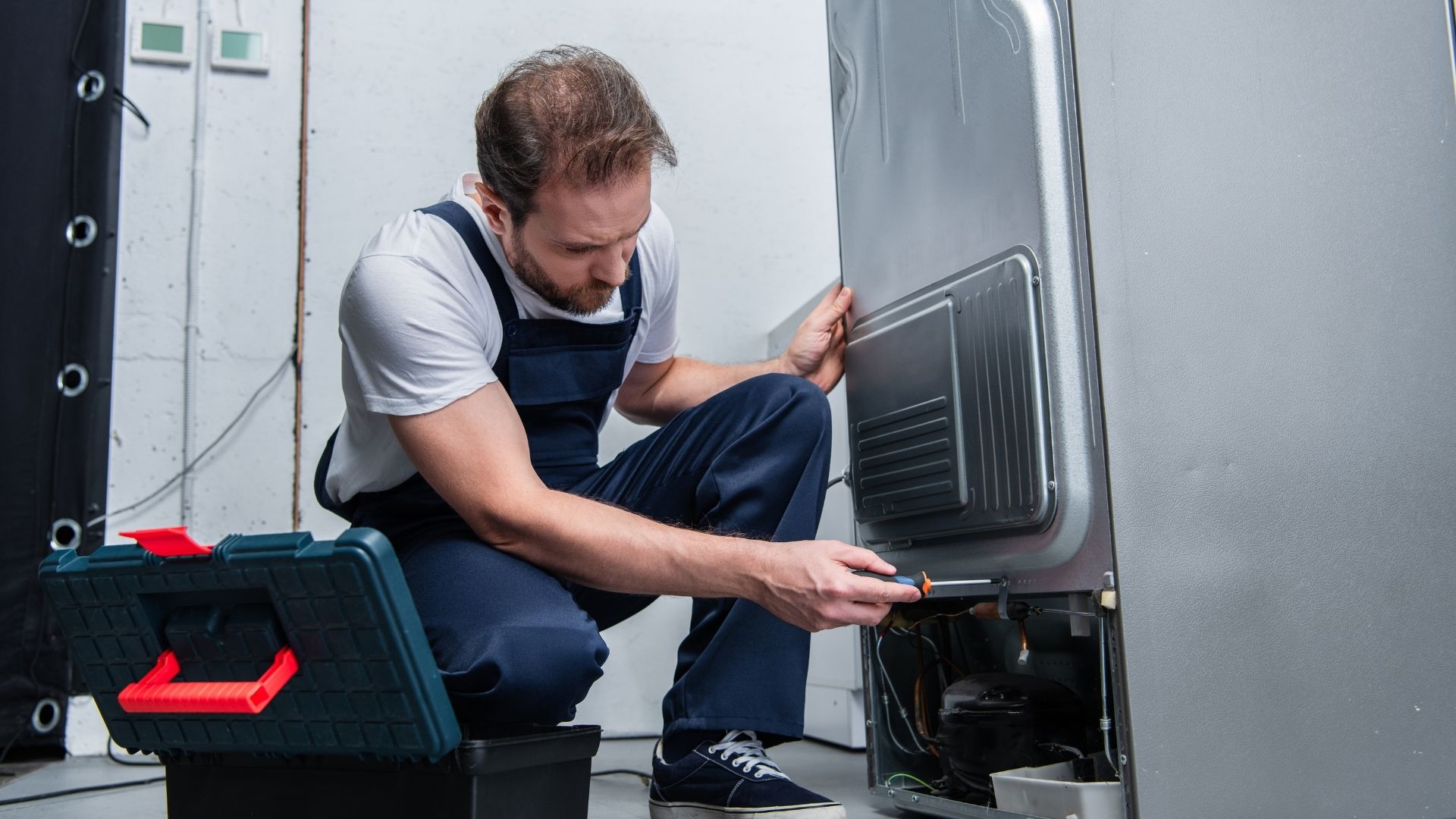
A well-structured maintenance contract ensures comprehensive coverage, so your refrigeration systems are always operating at their best. It’s important to understand the key inclusions and clauses that should be part of any solid agreement, as these details directly affect the longevity and efficiency of your equipment.
Routine Inspections & Cleaning
A solid commercial refrigeration maintenance contract should include regular inspections and cleaning of critical components. This helps maintain system efficiency, prevent failures, and extend the lifespan of the equipment. Key checks typically include:
Condenser and Evaporator Coils: Cleaning these coils removes dirt and grime buildup that can hinder heat exchange, improving energy efficiency.
Fans and Blower Systems: Ensuring these components run smoothly prevents overheating and extends the lifespan of motors and fans.
Drain Lines: Clear drainage ensures that condensation doesn’t accumulate, leading to leaks or water damage.
This regular upkeep ensures the refrigeration system runs smoothly, reducing the likelihood of a breakdown and improving energy efficiency.
Refrigerant Checks & Leak Detection
Given the shifting regulatory landscape regarding refrigerants, it’s critical for your maintenance contract to include refrigerant checks and leak detection. Regulatory bodies like the EPA and AIM Act are phasing down the use of certain refrigerants with higher global warming potential (GWP), and regular refrigerant checks are vital to:
Ensure Compliance: Your contract should ensure that your systems use refrigerants compliant with current and upcoming environmental regulations.
Prevent Leaks: Leak detection ensures that refrigerant is maintained at optimal levels, improving system efficiency and preventing costly refrigerant replacements.
Optimize Performance: Proper refrigerant levels directly affect cooling efficiency, so maintaining these levels is crucial for cost-effectiveness.
An expert contract will ensure your systems stay up to code while reducing refrigerant loss and inefficiency.
24/7 Emergency Response & Repair Services
A critical inclusion in any comprehensive maintenance contract is 24/7 emergency service. Refrigeration breakdowns can lead to significant losses, especially in industries such as food service, healthcare, or cold storage. A strong contract should offer:
Rapid Response Times: In case of a breakdown, having guaranteed, quick access to a technician is invaluable to minimize operational downtime and losses.
Emergency Repairs: Whether it’s a failed compressor, refrigerant leak, or other critical component, having a service agreement that covers emergency repairs ensures your systems get up and running fast.
This service is especially important for businesses that cannot afford to risk significant downtime.
Documentation, Reporting & Compliance Support
Good contracts should include comprehensive documentation and reporting to help businesses maintain compliance and ensure accountability. Key components should include:
Temperature Logs: For industries like food service and healthcare, maintaining detailed temperature logs is vital for safety and compliance. Ensure your contract includes this to meet industry regulations.
Repair and Service History: A record of all maintenance and repairs ensures that the system is well-documented, making future troubleshooting or inspections more efficient.
Regulatory Compliance: A strong contract should assist with compliance by providing necessary documentation, which is essential during inspections or audits.
Clear documentation ensures transparency, accountability, and peace of mind for business owners, reducing the risk of compliance violations.
Parts, Labor & Liability Coverage + Clear Service-Level Agreements
Parts, labor, and liability coverage are vital in any well-structured maintenance contract. Key aspects to consider include:
Parts Coverage: Your contract should outline the coverage for replacement parts, including filters, compressors, or any critical components that may need repair.
Labor Coverage: Ensure the contract includes labor costs for both regular maintenance and repairs to avoid surprise bills.
Liability Coverage: Look for contracts that offer liability protection in case of equipment damage or operational failure during service. This provides protection if there are issues caused by maintenance work or repairs.
Service-Level Agreements (SLAs): The contract should define clear performance expectations, including response times, service quality, and the frequency of inspections or maintenance.
This type of coverage ensures that you are protected from unexpected costs, improves budgeting, and guarantees high-quality service.
Having a well-crafted contract helps, but what will it cost your business, and how does that compare to the cost of reactive repairs or replacements?
Typical Cost Ranges & What Impacts Pricing
Understanding the factors that influence the cost of commercial refrigeration maintenance contracts is key to making an informed decision. These costs can vary widely based on several factors, from system size to the frequency of maintenance visits, so it's important to factor these variables into your budget.
Factors That Affect Cost
The price of commercial refrigeration maintenance contracts can vary widely depending on several factors. Some of the key cost drivers are:
System size & number of units: A single display cooler costs much less to maintain than a complex setup with multiple walk‑in freezers, display cases, and compressor racks. Larger or more numerous units increase labor time, parts, and inspection needs.
Usage intensity and duty cycle: Units that run 24/7 (like in grocers or cold storage) require more frequent maintenance and are subject to more wear and tear than light‑use units (e.g. small convenience‑store refrigerators).
Location & climate: Warm, humid climates or dusty urban environments may cause coils, condensers, and fans to accumulate dirt/fouling more quickly, requiring more frequent cleaning, refrigerant checks, and service calls.
Coverage level & contract type: Basic preventive-only contracts cost less than full‑coverage or comprehensive plans that include emergency repairs, parts replacement, 24/7 calls, and labor.
Age and condition of the equipment: Older systems or poorly maintained units often require more frequent maintenance or parts replacement, increasing the contract cost.
Typical Price Range for Commercial Refrigeration Contracts in the U.S.
Because of the many influencing factors, annual contract costs for commercial refrigeration or HVAC-type systems cover a broad range. Based on industry data from HVAC/R service providers, a rough breakdown looks like this:
Type / Size of Operation | Typical Annual Contract Cost* |
Small operation: few display units or a single cooler | $ 500 – $ 2,000 |
Small to mid-sized restaurant/convenience store / small grocery | $ 1,200 – $ 2,500 |
Mid-sized supermarket / multi‑unit business with multiple refrigeration zones | $ 2,500 – $ 5,000 |
Large supermarket chains / cold storage facilities / multi-site operations | $ 5,000 – $ 10,000+ (or more, depending on complexity & coverage) |
*These ranges assume typical preventive or full‑coverage contracts; emergency call-outs, major repairs, or premium SLA agreements can increase total annual spend.
As a reference point, many commercial HVAC maintenance contracts—which often extend to refrigeration systems—fall in the $ 500–$2,000 per unit per year range.
Note: There’s no “one-size-fits-all” price. The final quote depends heavily on your specific equipment, coverage needs, and how critical uninterrupted refrigeration is for your operation.
Why Choose Central Air & Refrigeration for Your Commercial Refrigeration Maintenance?
When it comes to maintaining commercial refrigeration systems, businesses trust Central Air & Refrigeration (CAR) for its expertise and comprehensive services. With extensive experience, CAR provides reliable, efficient solutions to ensure systems run smoothly and meet compliance standards.
Expert Technicians
CAR’s team is trained to service all commercial refrigeration systems, including Lennox and other leading brands, offering fast and reliable repairs.
Tailored Maintenance Plans
Each business has unique needs. CAR customizes maintenance plans based on system size and business requirements, ensuring peak efficiency.
24/7 Emergency Support
With 24/7 emergency support and guaranteed fast response times, CAR minimizes downtime and disruptions when critical issues arise.
Comprehensive Services
CAR offers a wide range of services, including routine inspections, refrigerant leak detection, airflow optimization, and compliance checks.
Energy Efficiency & Cost Savings
CAR focuses on optimizing energy efficiency, reducing energy costs, and improving the system’s environmental footprint.
Conclusion
Commercial refrigeration maintenance contracts are essential for businesses that rely on their refrigeration systems to operate efficiently and meet regulatory requirements. By choosing the right contract and maintenance provider, you can extend the lifespan of your equipment, prevent costly breakdowns, and reduce operational disruptions. Whether you're managing a restaurant, convenience store, supermarket, or other facility, regular maintenance ensures your system runs smoothly, reduces energy consumption, and helps avoid compliance issues.
At Central Air & Refrigeration, we provide tailored maintenance plans, 24/7 emergency support, and expert service for all commercial refrigeration needs of businesses in Texas. By partnering with us, you can stay ahead of potential issues and enjoy peace of mind knowing your systems are in the best hands.
Don't wait until your refrigeration system breaks down! Contact Central Air & Refrigeration today to schedule a comprehensive maintenance plan and ensure your equipment’s efficiency year-round.
Frequently Asked Questions
What is a commercial refrigeration maintenance contract?
A commercial refrigeration maintenance contract is an agreement between a business and an HVAC service provider to ensure the ongoing maintenance, repair, and optimization of refrigeration systems. It helps prevent breakdowns, improve energy efficiency, and extend the life of the equipment.
What is typically included in a commercial refrigeration maintenance contract?
A typical contract includes routine inspections, cleaning, refrigerant checks, leak detection, and emergency repair services. Some contracts also offer compliance support, energy optimization services, and detailed service reports.
How often should I schedule maintenance for my commercial refrigeration system?
The recommended frequency depends on the type and usage of your system. For most commercial units, annual maintenance is sufficient, but high-demand or high-use systems may benefit from biannual or quarterly checks to ensure optimal performance.
Can I handle commercial refrigeration maintenance myself?
While some basic tasks like checking the air filter, cleaning vents, and monitoring temperature settings can be handled by facility staff, professional maintenance is necessary for more complex issues like refrigerant leaks, compressor repairs, and system checks. Regular professional inspections can help prevent costly repairs.
How much does a commercial refrigeration maintenance contract cost?
The cost varies depending on factors such as the number of units, system size, usage intensity, and the level of service provided. On average, contracts can range from a few hundred dollars per year to several thousand dollars annually, especially for larger or multi-location businesses. However, the long-term savings from avoiding breakdowns and reducing energy bills often outweigh the initial investment.