
Commercial refrigeration is undergoing its fastest transformation in decades. Driven by stricter EPA regulations, rising electricity costs, sustainability targets, and the demand for smarter automation, businesses across the United States are upgrading their cooling systems.
From low-GWP refrigerants to AI-powered diagnostics, today’s commercial refrigeration technology is built for greater efficiency, compliance, and reliability. This guide breaks down the most important trends businesses should watch and how these advancements support lower operating costs, better performance, and sustainable cooling.
Key Takeaways
Commercial refrigeration technology is rapidly evolving, driven by EPA regulations, rising energy costs, and the demand for smarter automation.
Low-GWP refrigerants like CO₂ (R-744), R-290, and ammonia (R-717) are replacing HFCs as the AIM Act phases down high-GWP refrigerants by 85% by 2036.
IoT-enabled smart refrigeration systems provide real-time alerts, remote monitoring, and predictive maintenance to reduce downtime and prevent product loss.
AI and machine learning optimize temperatures, predict failures in advance, and reduce unnecessary compressor runtime.
Sustainability-focused designs like heat recovery and recyclable materials improve environmental compliance and long-term cost savings.
Central Air & Refrigeration helps businesses adopt, install, and maintain advanced commercial refrigeration systems tailored to Texas conditions.
Trend 1: Shift Toward Low-GWP Refrigerants
Environmental regulations are redefining how commercial refrigeration systems are engineered, serviced, and operated across the United States. As global warming concerns rise and refrigerant restrictions tighten, low-GWP (Global Warming Potential) alternatives are becoming the industry standard for new installations and a required transition for many existing systems.
EPA & AIM Act Regulations Accelerating Change
The American Innovation and Manufacturing (AIM) Act is phasing down HFC refrigerants by 85% through 2036. This phase-down includes:
Strict limits on HFC production and importation
National restrictions on certain refrigerants for commercial refrigeration
Increasing adoption of “future-proof” refrigerants to avoid costly retrofits
Incentives for businesses to upgrade older systems
The AIM Act ensures that businesses relying on HFCs will face rising refrigerant costs, declining availability, and tighter compliance rules in the coming years.
Natural Refrigerants Rising in Adoption
More industries are shifting toward natural, low-GWP refrigerants that offer long-term stability and minimal regulatory risk. These include:
CO₂ (R-744): excellent for supermarkets and cold storage, highly efficient in cooler climates, and widely supported by modern transcritical systems
Propane (R-290): ideal for reach-in coolers, beverage cases, and small retail equipment with superior thermal efficiency
Ammonia (R-717): the gold standard for industrial refrigeration, such as warehouses, processing plants, and large-scale cold storage
Natural refrigerants provide strong performance, extremely low environmental impact, and long-term regulatory protection.
Benefits for Businesses
Lower operational costs due to higher efficiency
Long-term regulatory compliance
Reduced carbon footprint
Future-proof technology that avoids costly retrofits
As refrigerants evolve, the systems themselves are becoming smarter, leading to the next major trend.
Trend 2: Smart Refrigeration Systems & IoT-Enabled Monitoring
Digital transformation is reshaping how refrigeration equipment is monitored, serviced, and maintained.
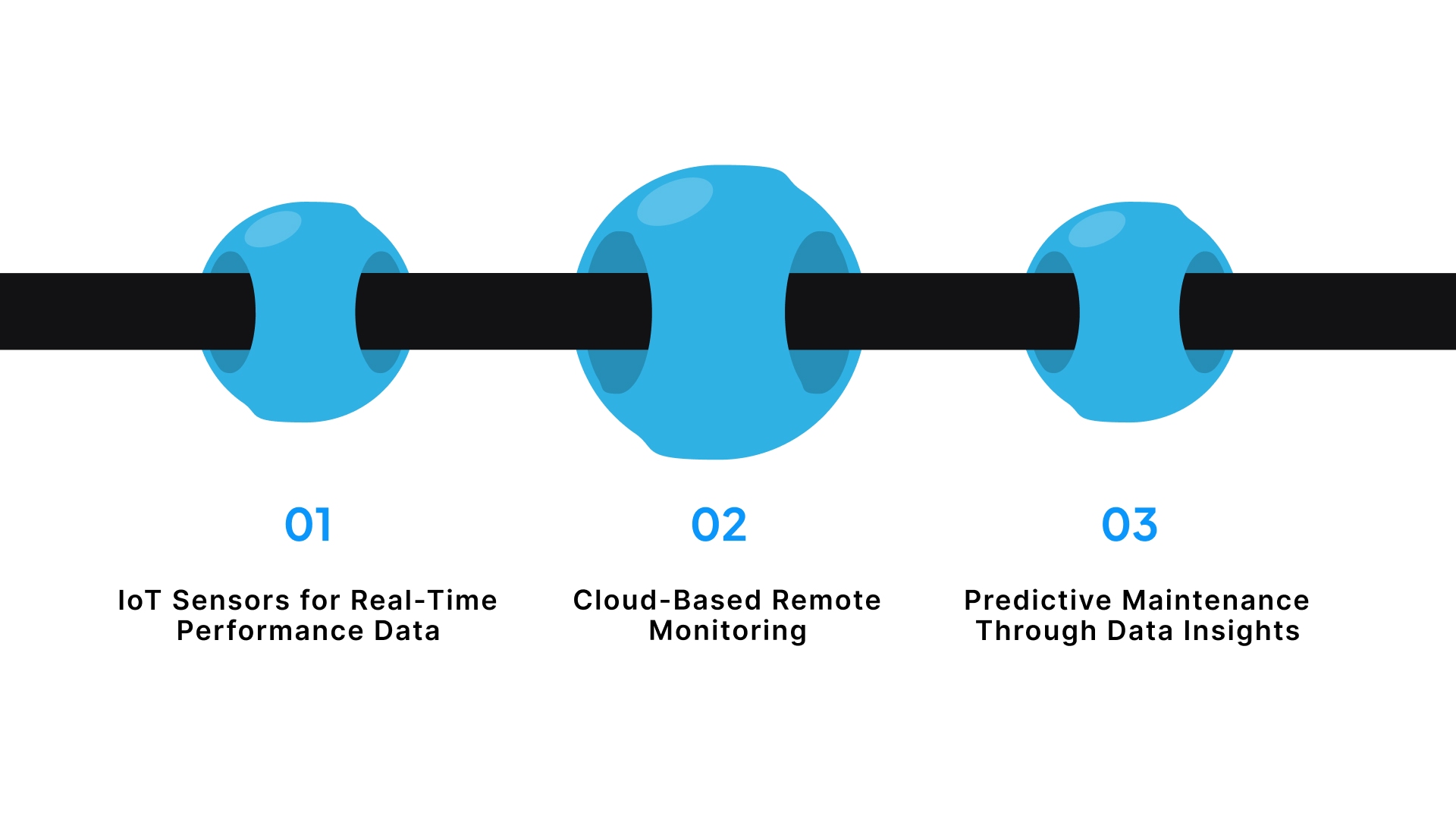
IoT Sensors for Real-Time Performance Data
Modern systems use connected sensors to track critical performance parameters such as:
Interior temperature fluctuations
Compressor start/stop cycles
Suction and discharge pressure
Door-open frequency
Refrigerant levels
Defrost cycles
Energy consumption
When temperatures start drifting or components behave irregularly, managers receive instant alerts, preventing spoilage, food safety violations, and system downtime.
Cloud-Based Remote Monitoring
Large operators such as supermarkets, QSR chains, pharmacies, and convenience stores can manage all refrigeration assets using a single cloud dashboard.
This enables:
Faster troubleshooting
Reduced technician dispatches
Visibility into store-by-store performance
Better maintenance planning
Fewer compliance risks
Instead of waiting for a failure, teams can detect irregularities days or weeks in advance.
Predictive Maintenance Through Data Insights
AI-enhanced monitoring systems analyze historical data to predict failures. These insights can identify:
Early refrigerant leaks
Compressor overheating patterns
Fan motor decline
Inefficient defrost operation
Sensor drift
Businesses that adopt predictive maintenance often see:
Lower repair costs
Reduced downtime
Fewer emergency service calls
Longer equipment lifespan
While smart monitoring helps manage performance, energy efficiency advancements are equally transforming modern commercial refrigeration.
Trend 3: Energy-Efficient Technologies Transforming Commercial Refrigeration
With rising electricity rates across the US and tightening DOE efficiency standards, businesses are upgrading to equipment that delivers the same cooling capacity while consuming significantly less energy.
Variable-Speed Compressors & High-Efficiency Motors
Traditional fixed-speed compressors cycle on/off constantly, wasting energy and stressing components. Variable-speed (VSD/VFD) compressors adjust output based on real-time cooling demand.
Benefits include:
Lower peak power draw
Reduced component wear
Better humidity control
Longer equipment life
Electronically Commutated Motors (ECM)
ECM fan motors are far more efficient than PSC motors, offering:
Lower heat output
Better speed control
30–60% energy savings
High-Efficiency Evaporators & Condensers
Modern evaporators and condensers use microchannel coils, better fin design, and improved airflow to:
Enhance heat transfer
Resist frost accumulation
Maintain efficiency in high-humidity environments
Reduce compressor runtimes
LED Lighting & Adaptive Defrost Controls
Adaptive defrost systems use sensors to determine when defrosting is actually needed, not just based on a timer. This prevents unnecessary energy waste while maintaining optimal performance.
LED lighting also reduces internal cabinet load, lowering compressor demand and extending equipment life.
As efficiency improves, automation is becoming the next frontier for business owners who want reliability without manual oversight.
Trend 4: Automation, AI, and Machine Learning in Refrigeration
AI-driven refrigeration is no longer futuristic. It is actively used in supermarkets, restaurants, and food warehouses.
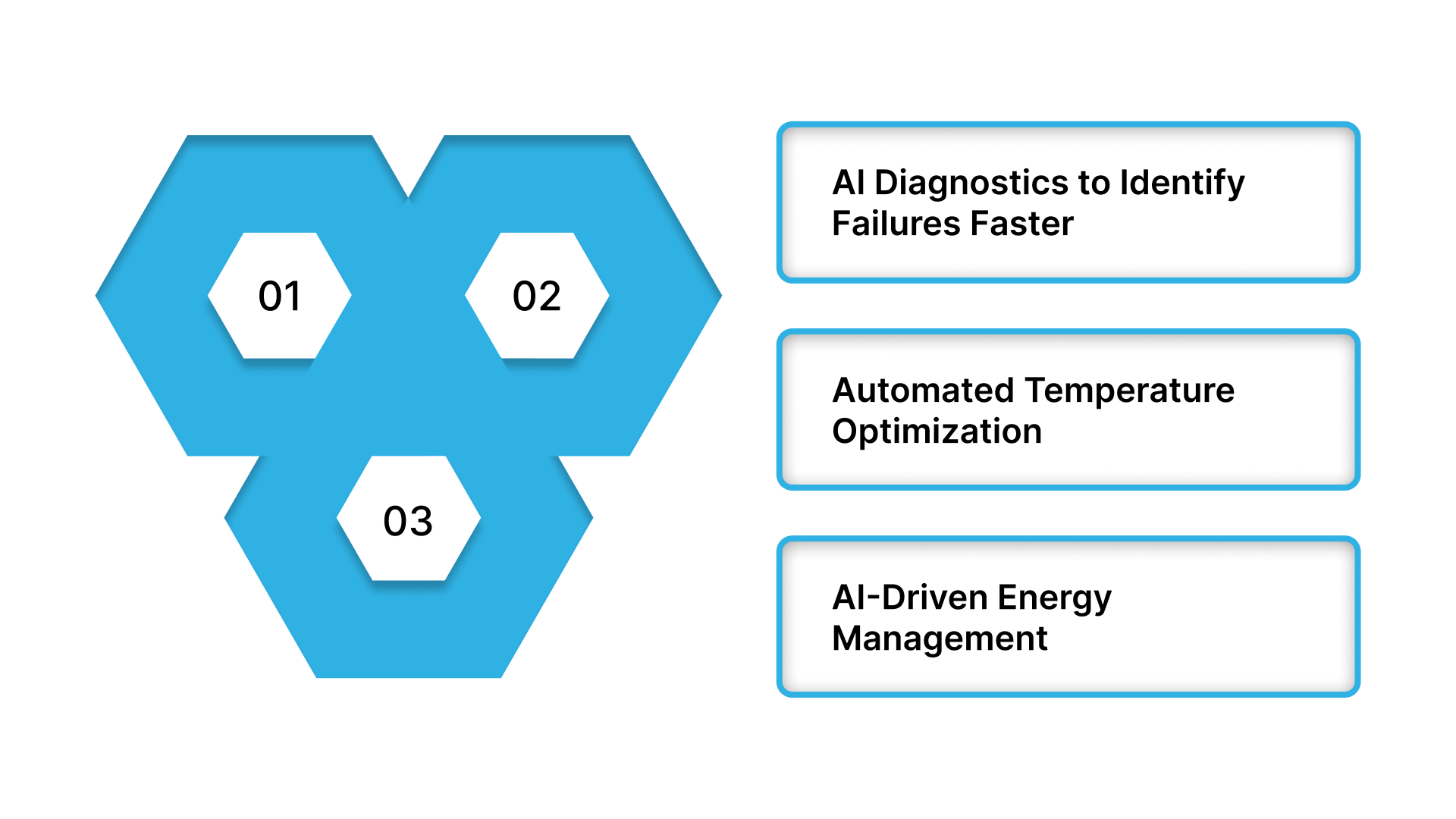
AI Diagnostics to Identify Failures Faster
Machine learning tools analyze performance data to predict:
Compressor stress
Faulty sensors
Defrost inefficiencies
Early refrigerant leaks
This shifts maintenance from reactive to proactive, helping businesses prevent catastrophic failures and food spoilage.
Automated Temperature Optimization
Systems can adjust temperature levels automatically based on:
Door-open frequency
Ambient temperature
Product load
Time of day or week
This improves food safety while reducing unnecessary energy consumption.
AI-Driven Energy Management
AI platforms constantly monitor energy use and recommend or automatically implement adjustments to:
Fan speeds
Defrost cycles
Compressor staging
Load shedding strategies
Businesses benefit from:
Lower energy bills
Extended equipment lifespan
Better equipment performance
Sustainability remains a core driver behind these innovations, pushing industries toward greener operations.
Trend 5: Sustainability-Focused Design & Eco-Friendly Equipment
Sustainability is no longer optional. Customers, regulators, and energy utilities increasingly reward businesses that invest in environmentally responsible refrigeration systems.
Heat Recovery Systems
Refrigeration compressors generate significant heat. Modern systems capture and reuse that waste heat for:
Domestic hot water
Restaurant dishwashing
Space heating
Industrial sanitization
This dramatically improves total building energy efficiency.
Low-Carbon Manufacturing Standards
Manufacturers are adopting:
Recyclable cabinet materials
High-density insulation panels
Sustainable foam blowing agents
Low-carbon production methods
These improvements reduce environmental impact while delivering stronger thermal stability.
Smart Defrost & Adaptive Control Systems
Energy-saving controls ensure:
Defrost occurs only when required
Evaporators stay cleaner longer
Coils maintain performance under heavy load
Compressor cycling remains efficient
Smart controls can reduce overall refrigeration energy usage by up to 20–30% when combined with high-efficiency motors.
Beyond equipment trends, what does all this innovation mean for US businesses? Let's look at the practical impact.
What Refrigeration Technology Trends Mean for Your Business
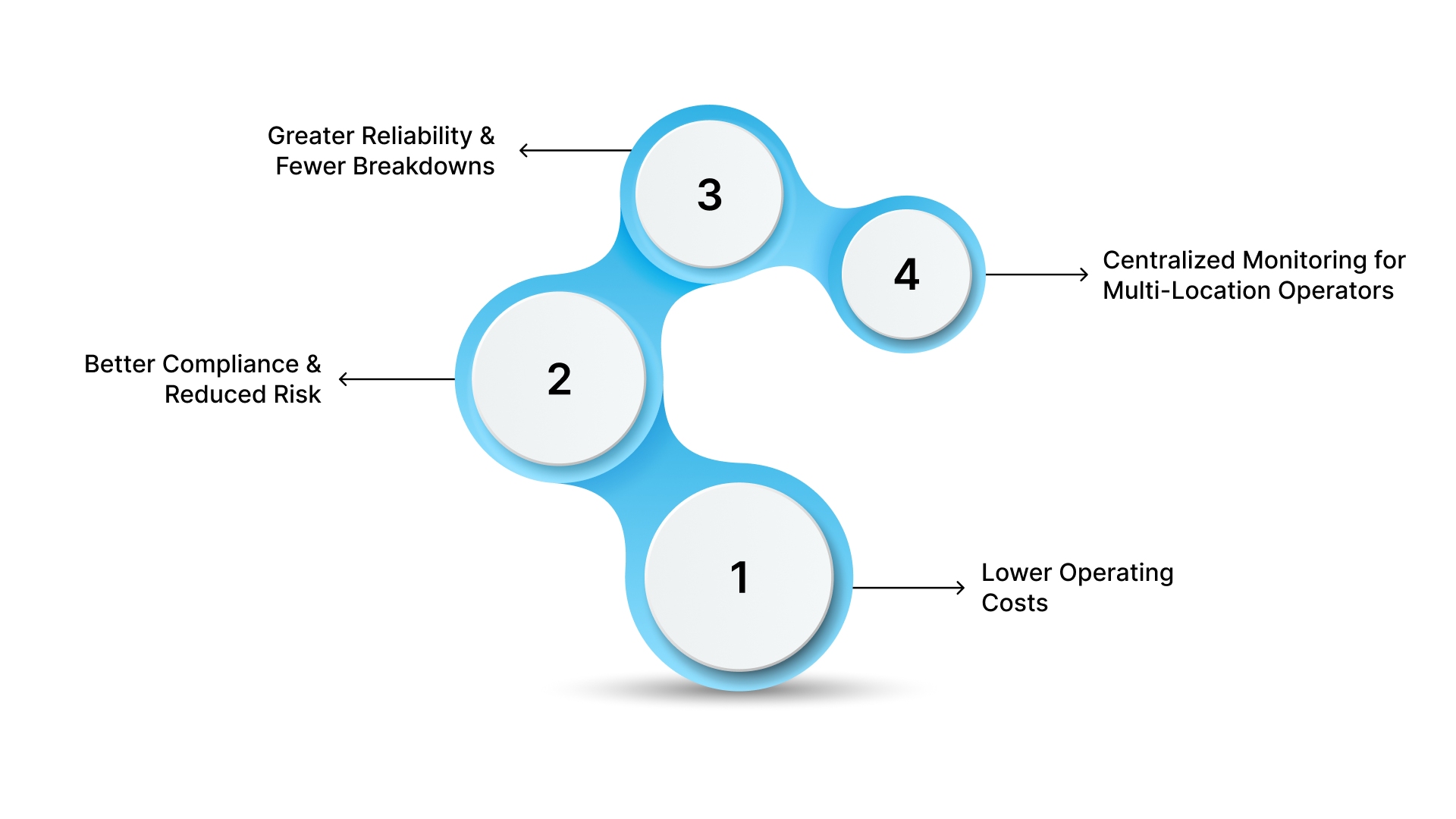
Advanced commercial refrigeration technology is becoming a strategic advantage for businesses that rely on consistent cooling, food safety, and strict regulatory compliance. Adopting modern solutions helps operators stay competitive and protect profitability. Here are a few advantages:
Lower Operating Costs
Modern refrigeration technology is built for high efficiency. From variable-speed compressors to adaptive defrost cycles and AI-driven energy management, newer systems consume less electricity, run cooler, and reduce stress on components. Businesses benefit from:
Reduced monthly utility bills
Fewer emergency repair calls
Longer equipment lifespan
Better Compliance & Reduced Risk
EPA, DOE, and OSHA requirements are tightening, and outdated systems are becoming liabilities. Low-GWP refrigerants, leak-detection technology, and automated monitoring help businesses avoid:
AIM Act penalties
Refrigerant leak violations
Equipment safety issues
Surprise compliance costs
Greater Reliability & Fewer Breakdowns
IoT sensors, predictive analytics, and smarter compressors provide real-time system visibility. This leads to:
Faster detection of performance issues
Reduced food spoilage and product loss
Fewer catastrophic failures
Smoother day-to-day operations
Centralized Monitoring for Multi-Location Operators
Modern platforms let you oversee every cooler, freezer, and walk-in from a single dashboard. Ideal for:
Supermarkets
Chain restaurants
C-stores
Distribution centers
This improves maintenance planning, inventory protection, and operational decision-making across the entire portfolio.
Central Air & Refrigeration provides expert diagnostics, compliance guidance, and proactive maintenance to ensure your systems perform at peak efficiency year-round. Book your preventive refrigeration maintenance visit.
Conclusion
Commercial refrigeration technology is changing rapidly, driven by efficiency goals, sustainability mandates, and digital transformation. From low-GWP refrigerants and IoT monitoring to AI-powered diagnostics, these advancements give businesses better control over energy usage, equipment health, and long-term reliability.
If you operate a restaurant, grocery store, convenience store, warehouse, or any business that relies on cooling equipment, staying ahead of these trends is essential for cost control and compliance.
Partner with Central Air & Refrigeration to keep your systems modern, efficient, and fully optimized for today’s technology. Contact us today to schedule your commercial refrigeration maintenance.
Frequently Asked Questions (FAQ)
1. What is the newest technology in commercial refrigeration?
The biggest innovations include natural refrigerants (CO₂, R-290), IoT sensors, AI diagnostics, variable-speed compressors, and smart defrost systems.
2. How does IoT improve commercial refrigeration?
IoT provides remote monitoring, real-time temperature alerts, predictive maintenance, automated reporting, and reduced equipment downtime.
3. Why are businesses switching to low-GWP refrigerants?
Low-GWP refrigerants improve efficiency, reduce environmental impact, and comply with EPA AIM Act requirements.
4. What industries benefit the most from modern refrigeration technology?
Restaurants, supermarkets, cold storage facilities, hospitality businesses, convenience stores, and healthcare food services benefit the most from these advancements.
5. What is smart refrigeration?
Smart refrigeration uses IoT and AI to optimize temperatures, detect failures, reduce energy use, and automate maintenance tasks.