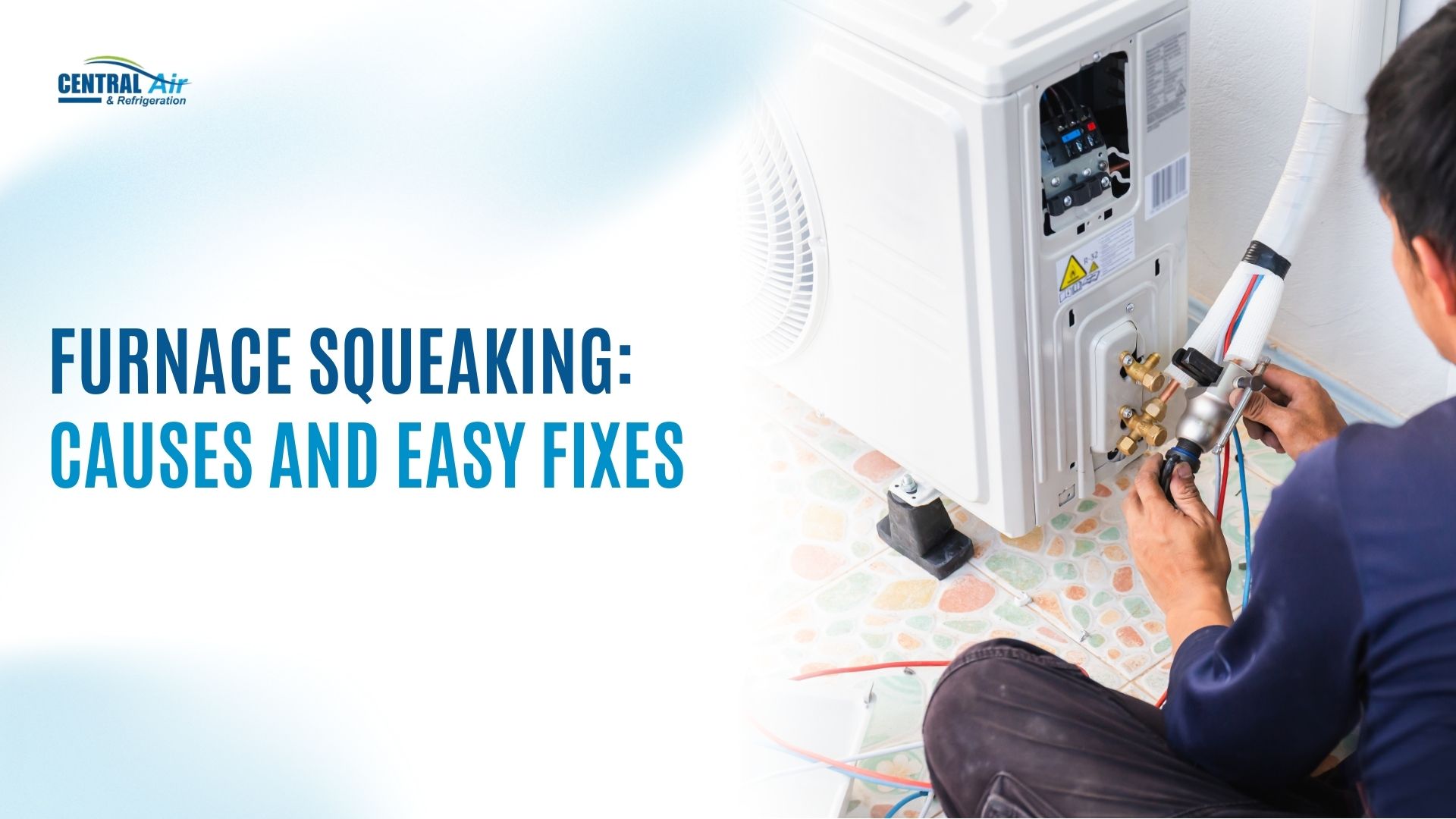
You switch on the furnace expecting a steady, comforting hum, and instead a sharp squeak cuts through the room. It’s small at first, but it keeps coming back, and suddenly every startup feels like a warning.
That uneasy feeling is exactly why this guide matters: odd furnace noises often appear well before a part fails, and knowing what to check can save time, money, and cold evenings.
In fact, recent homeowner surveys show that about 70% of people who noticed eerie sounds or smells later found they were signs of maintenance issues, not just “normal” household noise.
This guide breaks down the common causes of furnace squeaking and the safe checks you can try at home. You’ll also know when it’s best to call a technician so your home stays warm and quiet.
Key Takeaways
Noise Timing Reveals the Likely Cause:
Startup squeaks often link to inducer motors or blower belts, while steady squeals point to worn bearings, and heat-up ticks usually come from duct expansion.One Sound Can Narrow It to One Component:
A rhythmic chirp almost always indicates a loose or frayed blower belt, whereas intermittent scraping strongly suggests a dirty or unbalanced blower wheel.Safety Red Flags Are Specific — Not Vague:
A furnace cabinet that feels hotter than usual, lingering noise after shutdown, or a breaker that trips twice signal mechanical or electrical stress; stop using the system.DIY Fixes Target the Most Common Mechanical Triggers:
Replacing a clogged filter, tightening loose panels, or clearing debris often resolves vibration squeaks. However, any noise accompanied by burning smells or grinding requires immediate shutdown.Central Air & Refrigeration Delivers What DIY Cannot:
Their certified techs handle full system inspections, precision lubrication, accurate thermostat tuning, and 24/7 emergency repairs. The right expertise for bearing, inducer motor, and airflow-related issues.
9 Most Common Causes Of Furnace Squeaks

A squeak from your furnace is usually a mechanical nudge; two parts rubbing, a loose piece vibrating, or a component under extra stress. Pinpointing the cause quickly helps you decide whether a simple, safe fix will do or whether the system needs professional attention.
Listen for when the sound appears (startup vs. steady run), where it seems to come from, and the pattern (steady, rhythmic, intermittent). Those three clues point to the most likely causes below.
1. Worn Blower Motor Bearings
When bearings start to wear out, the blower motor can’t spin smoothly, creating a steady, high-pitched squeal that gets louder the longer the furnace runs. This is often one of the earliest signs of motor fatigue.
2. Frayed or Loose Blower Belt
Belt-driven furnaces develop a rhythmic chirping or squeaking when the belt stretches, slips, or cracks. Because the belt controls the blower’s rotation, even small wear shows up as noise.
3. Dirty or Unbalanced Blower Wheel
Dust buildup or imbalance makes the wheel rub against the housing, causing intermittent scraping or squeaking. This typically appears as airflow changes or after long periods without cleaning.
4. Loose Panels or Fasteners
Vibration can loosen furnace panels or screws over time. When the blower or motor kicks on, these loose parts rub or rattle, producing short, sharp squeaks that often change when you press on the cabinet.
5. Worn Motor Mounts or Isolators
When mounts deteriorate, the motor shifts slightly during operation, causing metal or rubber components to rub. This creates a thin squeak paired with noticeable vibration through the furnace body.
6. Inducer or Draft Motor Shaft Wear
The inducer motor starts before ignition, so any wear in its shaft or bearings shows up as a squeak at startup. If ignored, the sound can evolve into grinding as the motor deteriorates.
7. Duct Expansion or Metal Contact
As your furnace heats up, metal ducts expand and contract. If the ducts are tight or rubbing against framing, they can make ticking, popping, or squeaking noises during warmup.
8. Foreign Object in the Blower or Cabinet
Loose screws, small debris, or items that have fallen into the blower housing can create sudden, irregular squeaks or tapping sounds. These usually appear out of nowhere and worsen with airflow.
9. Lack of Lubrication in Older Motors
Some older blower motors require periodic oiling. When lubrication dries out, bearings rub and create soft, repetitive squeaks. Sealed modern motors don’t allow oiling, so forcing it can cause damage.
Once you’ve identified what the noise might be, the next step is to make sure you’re checking things safely before taking any action.
Quick Safety Checklist: What To Do First
Before you take a closer look at your furnace or attempt any basic troubleshooting, make sure you’re approaching the situation safely.
A few simple precautions will help you avoid accidental damage and ensure that anything you check is safe for a homeowner to handle.
Use the checklist below as your first step; quick, low-risk actions that protect both you and your system before you move on to deeper troubleshooting.
Turn Off the Furnace:
Switch off the system at the thermostat and give it a minute to stop completely before inspecting anything around it.Check for Burning Smells or Smoke:
If you notice either, stop immediately — this indicates an electrical or motor issue that needs a professional.Listen After Shutdown:
Pay attention to any lingering squeaks or slowing noises, which can help you identify whether the blower or inducer was involved.Inspect Around the Unit (Without Opening Panels):
Look for loose items, fallen screws, or anything touching the cabinet that could cause vibration.Ensure the Area Is Clear:
Move stored items, boxes, or fabrics away from the furnace to allow proper airflow and avoid fire hazards.Look for Signs of Overheating:
If the cabinet feels unusually hot or the unit shuts off abruptly, do not restart it until a technician checks it.Check Power Stability:
Make sure the furnace hasn’t tripped the breaker or blown a fuse — repeated trips signal deeper electrical strain.Verify Proper Ventilation:
Ensure exhaust vents aren’t blocked outdoors; restricted venting can create pressure and noise issues.
With the basics out of the way, you can move on to a few low-risk steps that often make an immediate difference in how the furnace sounds.
DIY Fixes You Can Try (Low Risk)
These are focused, low-risk actions you can do yourself to quiet a squeaking furnace or confirm whether the problem needs professional attention. None of these requires opening electrical panels or handling refrigerant; just basic tools (screwdriver, soft brush, garden hose) or nothing at all.
If a fix doesn’t reduce the noise or you notice burning smells, stop and call a technician.
Work top-to-bottom through this short table; each row shows what to do, what it helps, and how long it typically takes.
Action | What It Helps | Time / Skill |
|---|---|---|
Replace the air filter | Restores airflow and often reduces load-related noises. | 5–10 min — very easy |
Clear debris around the outdoor unit | Improves condenser airflow so the system doesn’t overwork (reduces strain noises). | 10–20 min — easy |
Gently clean condenser fins/coils | Improves heat transfer and can reduce fan/compressor strain. Use a low-pressure rinse. | 20–30 min — moderate |
Tighten visible screws & panels (power off) | Stops vibration-linked squeaks caused by loose panels or brackets. | 10–15 min — easy |
Inspect belt condition (belt-drive units) | Replaces or tightens a frayed belt that causes rhythmic squeaks. | 15–30 min — moderate; stop if unsure |
Straighten slightly bent fins with a fin comb | Restores airflow and prevents rubbing/noise from distorted fins. | 20–30 min — moderate |
Light lubrication (only if the motor has oil ports) | Quietly restores bearing operation on older, serviceable motors. Use the manufacturer's oil. | 5–10 min — easy if ports present; don’t oil sealed motors |
Remove obvious debris in access areas (power off) | Eliminates foreign-object squeaks (screws, leaves, small items). | 10–20 min — easy |
When to stop: If any action reveals oil, frost on lines, sparks, burning smell, grinding noises, or if the noise persists after two fixes, power down the unit and contact a pro.
If these simple fixes don’t quiet the squeak or the noise keeps returning, it’s a strong sign the issue goes beyond basic maintenance.
When To Call A Professional HVAC Tech
While some furnace issues are safe and straightforward to check at home, others involve deeper mechanical, electrical, or safety-critical components. In those cases, a trained technician isn’t just a convenience; they’re the safe and correct choice.
Central Air & Refrigeration brings certified expertise, proper tools, and industry know-how; often, the difference between a short-term fix and a long-term solution.
Here’s how their professional furnace maintenance and repair services in Bryan, TX, ensure your system stays safe, quiet, and running at peak efficiency:
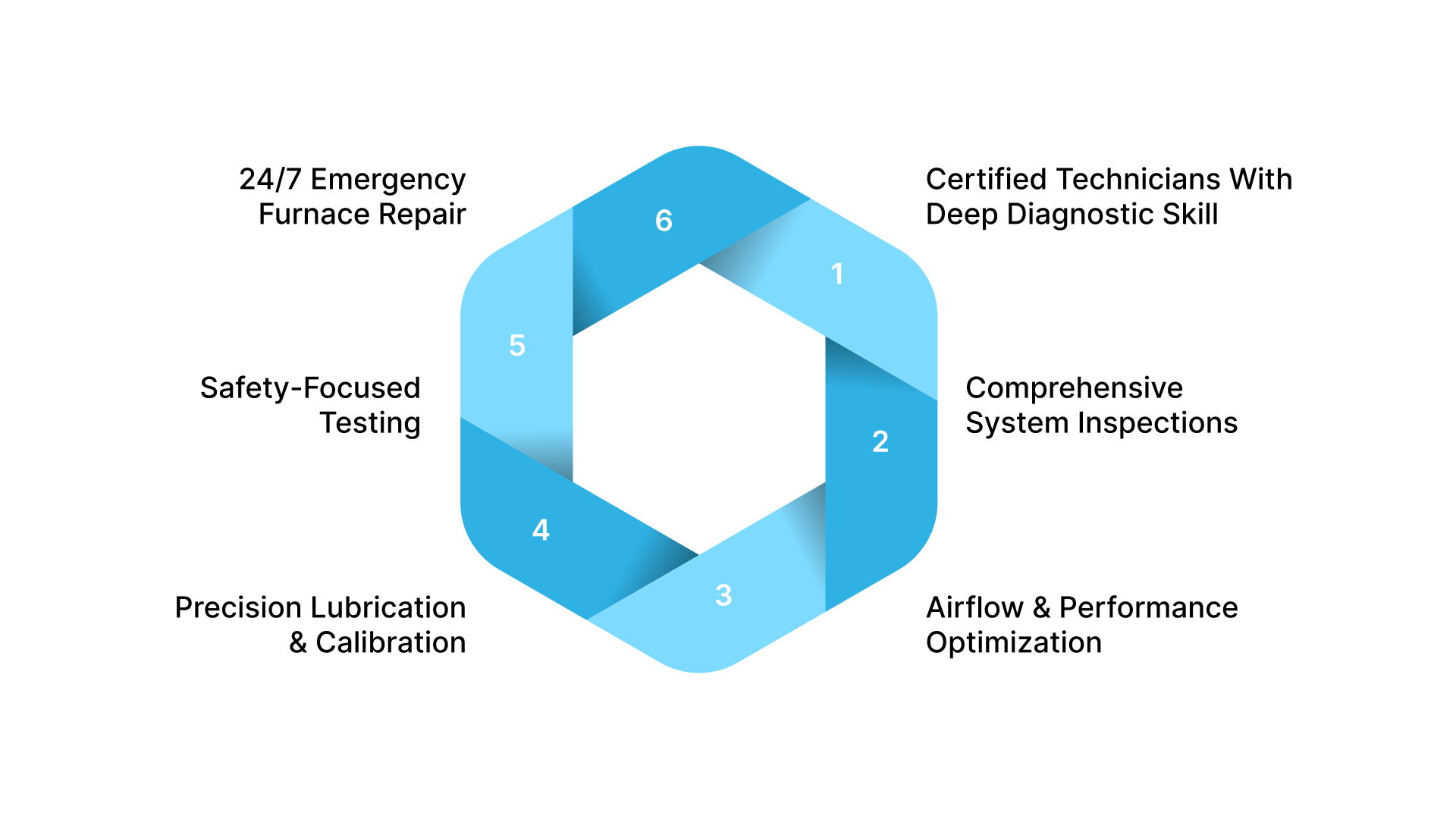
Certified Technicians With Deep Diagnostic Skill:
Trained to identify mechanical wear, electrical strain, airflow problems, and noise-related faults quickly and accurately.Comprehensive System Inspections:
Every essential component, heat exchanger, burners, blower, ignition system, wiring, flue, and vents, is checked to catch issues before they become failures.Airflow & Performance Optimization:
Includes air filter replacement, blower cleaning, belt checks, and motor adjustments to eliminate strain-related squeaks and improve efficiency.Precision Lubrication & Calibration:
Lubricating moving parts and calibrating the thermostat ensures smooth operation, reduced friction, and stable temperature control.Safety-Focused Testing:
Carbon monoxide testing, gas-leak detection, and venting checks ensure your furnace runs safely throughout the season.24/7 Emergency Furnace Repair:
Fast response and immediate repairs for sudden breakdowns, severe noises, or unsafe furnace behavior, even on nights, weekends, and holidays.
Conclusion
A squeaking furnace may start as a minor annoyance, but it’s always your system’s way of telling you something deserves attention. A little awareness goes a long way in protecting both your comfort and your equipment.
This is where Central Air & Refrigeration makes a meaningful difference. Our combination of certified expertise, thorough system care, and safety-focused practices ensures your furnace isn’t just repaired. It’s restored to reliable, efficient, and quiet operation. Whether you need routine maintenance, a fast repair, or emergency support, you’re in capable hands.
If your furnace has been sounding off lately or you just want peace of mind before the cold sets in, connect with us today! Let Central Air & Refrigeration keep your home warm, safe, and comfortable year-round.
FAQs
1. Why is my furnace squeaking when it starts up?
Startup squeaks often point to worn blower belts, draft motor issues, or bearings beginning to fail. These parts experience the most stress during ignition and are common early noise sources.
2. Is it safe to keep using my furnace if it’s squeaking?
It depends on the cause, but generally, no. While some noises come from minor wear, others signal unsafe conditions like overheating, electrical strain, or failing motor components. If the noise gets louder or changes pitch, turn the system off and call a technician.
3. Can I fix a furnace squeak myself?
Some issues, such as replacing an air filter, tightening loose panels, or removing debris, are safe for homeowners to handle. But anything involving motors, wiring, gas, or internal components should be handled by a professional.
4. How do I know if the blower motor is the problem?
A high-pitched, continuous squeal that worsens the longer the furnace runs usually points to blower motor bearings. Vibrations or rattling paired with squeaking can also indicate worn mounts or an imbalanced blower wheel.
5. When should I call Central Air & Refrigeration?
If basic fixes don’t help, the noise worsens, or you notice overheating, burning smells, or repeated breaker trips, it’s time to call their certified team. They offer full inspections, repairs, and 24/7 emergency furnace service in Bryan, TX.