Winter heating is a critical part of home comfort, and for many U.S. households, gas furnaces play a central role in keeping homes warm during colder months. In fact, nearly 47% of U.S. homes rely on gas furnaces as their primary heating source, according to the U.S. Energy Information Administration (EIA).
Lennox furnaces, known for their high efficiency and reliable performance, are a popular choice to stay warm through the winter. However, like any heating system, Lennox furnaces can run into issues over time.
Whether your Lennox furnace isn’t turning on, is making strange noises, or you’re simply looking to improve its efficiency, this guide will walk you through common troubleshooting steps, basic maintenance tips, and how to identify when it’s time to call a professional. With proper care, you can reduce the risk of costly breakdowns and ensure consistent warmth during the coldest months.
In a Nutshell
Common Furnace Problems: Lennox furnace owners often face issues like no heat, uneven heating, strange noises, or rising energy bills. These problems can stem from simple causes like a tripped breaker, dirty air filters, or gas supply issues.
DIY Troubleshooting: Before calling a professional, ensure the furnace power switch is ON, check the thermostat settings (set to "Heat"), replace the air filter, and ensure vents are clear for optimal airflow. These basic steps can often resolve common issues without the need for a technician.
Error Code Decoding: Error codes like 312 (reduced airflow), 201 (blower motor communication error), and 207 (ignition failure) can help pinpoint problems. If you see these codes, try simple fixes like replacing the air filter or cleaning the ignitor. For persistent errors, it’s time to consult a professional.
Preventive Maintenance: Regular maintenance, including changing filters every 1–3 months, scheduling an annual professional tune-up, and cleaning internal components, is key to extending your furnace’s lifespan, improving efficiency, and avoiding emergency repairs.
When to Call a Professional: If DIY fixes don’t work or you encounter persistent issues such as blower failure, ignition problems, or gas-supply issues, it’s time to call a licensed HVAC technician. These problems require expert attention to ensure safety and restore proper function.
Partner with Central Air & Refrigeration: For expert Lennox furnace repairs, troubleshooting, and preventive maintenance, Central Air & Refrigeration is your trusted local HVAC partner. Schedule a service to ensure your furnace runs efficiently and keeps your home warm all winter long!
Common Lennox Furnace Problems & What They Mean
Furnace issues can cause discomfort and inconvenience, especially during the colder months. Lennox furnaces are generally known for their reliability, but like any other system, they can face problems that may affect performance. Here are some of the most common problems you might encounter with your Lennox furnace and what they mean.
Furnace Doesn’t Turn On or Won’t Heat
Possible Causes:
Power Off / Tripped Breaker / Switch Off:
If your furnace isn't turning on, check if the power switch is in the "on" position. Ensure that the circuit breaker hasn't tripped, as this is a common cause of power loss to the furnace. Sometimes, an accidental switch-off can cause this issue.
Thermostat Mis-settings (Wrong Mode, Low Batteries):
Make sure your thermostat is set to the heating mode, and the temperature is set appropriately. If the batteries in your thermostat are low, they may cause the unit to malfunction. A simple battery replacement could solve this issue.
Dirty Air Filter or Blocked Vents (Restricting Airflow):
One of the most common reasons for heating failure is a clogged air filter or blocked vents. A dirty filter restricts airflow, causing the furnace to overheat and shut down. Regularly check and replace your air filter to ensure smooth airflow and efficient heating.
Ignition Failure or Gas Supply Issues (Gas Valve, Pilot/Ignitor):
If your furnace is not igniting, there may be a problem with the gas supply. This could include issues with the gas valve, pilot light, or ignitor. Problems with ignition or gas flow may require professional assistance from an HVAC expert to ensure safety and resolve the issue.
2. Furnace Runs, but Blower Doesn’t Work / No Warm Air Circulation
Possible Causes:
Blower Motor Fault, Faulty Wiring, or Control Board Problems:
If the furnace starts but the blower motor doesn’t work, the issue might lie with the blower motor itself or faulty wiring. The control board may also be malfunctioning, preventing proper communication between components. A professional technician can inspect and repair these issues.
Circuit-Board Communication Error Between Control Board and Blower Motor:
If the furnace is running but no warm air is circulating, the communication between the control board and blower motor may be faulty. A defective circuit board can prevent the blower from starting, leading to a lack of airflow.
3. Furnace Starts Then Shuts Down or “Short Cycles”
Possible Causes:
Reduced Airflow (Dirty Filter, Blocked Vents, Duct Restriction):
Short cycling occurs when the furnace starts but shuts down prematurely. This can be caused by reduced airflow due to a dirty filter, blocked vents, or duct restrictions. Many furnaces, including Lennox models, will automatically shut off if airflow is compromised to prevent damage to internal components. Ensure that your filters are clean and ducts are unobstructed.
Ignitor or Flame-Sensor Issues Causing Failed Ignition or Flame Detection:
A malfunctioning ignitor or flame sensor can prevent the furnace from maintaining proper ignition. If the furnace detects a problem with the flame, it may shut off for safety. Professional inspection and repairs are often needed for these components.
4. Strange Noises, Vibration, or Poor Airflow
Possible Causes:
Blower Belt Wear or Mechanical Issues in Blower Assembly (Common in Older Units):
If you hear unusual noises like squealing or grinding sounds, the issue might be with the blower belt or other mechanical components in the blower assembly. This is especially common in older or high-use units. These parts may need lubrication, tightening, or replacement.
Loose or Damaged Internal Components (Fan, Motor, Casing):
Strange vibrations or rattling sounds could indicate loose or damaged internal components, such as the fan, motor, or casing. These issues may be more pronounced in older systems or those that have been heavily used. An inspection and repair by a technician can resolve these issues and ensure your furnace runs smoothly.
Once you spot signs of trouble, the next step is to walk through some basic DIY troubleshooting before you decide whether professional repair is needed.
DIY Checks & Troubleshooting Steps Before Calling a Technician
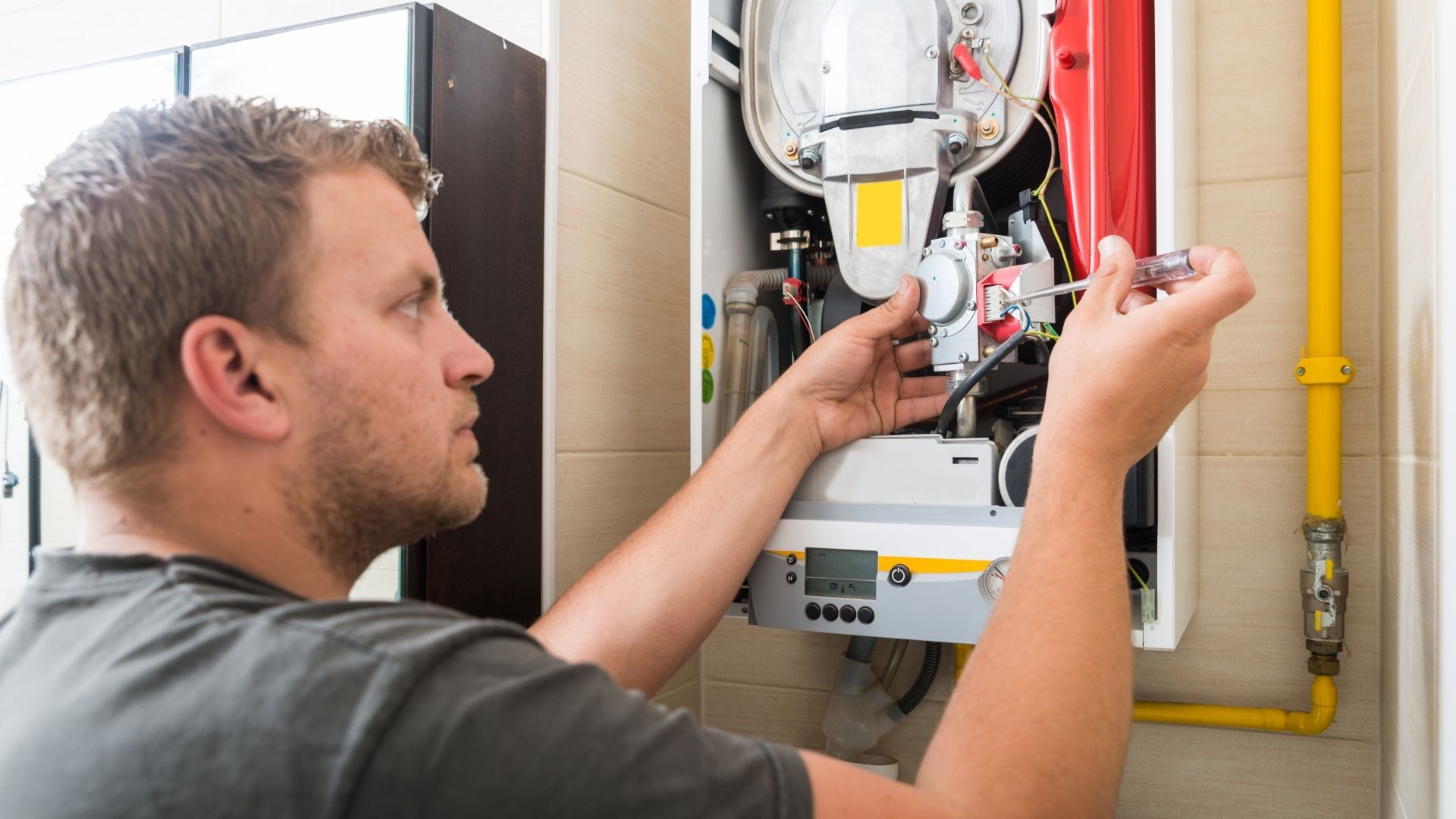
Before you reach out to a professional, it's always a good idea to perform a few basic checks yourself. This will help determine if the problem is something simple that you can fix or if it requires professional intervention. Here are some key steps for troubleshooting your Lennox furnace.
Power & Thermostat Basics
Confirm Furnace Power Switch is ON and Circuit Breaker Isn’t Tripped: Check that the furnace power switch is in the "ON" position. Also, verify that the circuit breaker for the furnace hasn't tripped. A tripped breaker is a common reason for a furnace not turning on.
Check Thermostat Mode (Set to “Heat”), Raise Temperature Setting, Replace Batteries if Needed: Ensure that your thermostat is set to the “Heat” mode and that the temperature is set higher than the current room temperature. If your thermostat uses batteries, replace them if they are low or dead. A simple battery change can solve many thermostat-related issues.
Air Filter, Vents, and Airflow
Inspect Air Filter, Replace if Dirty or Clogged; Ensure Vents/Registers Are Open and Unobstructed: A clogged air filter can restrict airflow and cause the furnace to overheat or shut down. Inspect the filter and replace it if it’s dirty or clogged. Make sure that all vents and registers are open and unobstructed to allow proper airflow.
Ensure Adequate Airflow and Clear Ducts: Blocked airflow can lead to the furnace shutting off to prevent overheating. Check that ducts are not obstructed by debris or furniture, and clear any blockages. Restricted airflow can also cause longer heating cycles and increased energy bills.
Gas Supply, Ignition & Flame Sensor Checks (For Gas Furnaces)
Verify Gas Valve Is Open; For Standing-Pilot Older Units—Confirm Pilot Light Is Lit: Ensure that the gas valve to the furnace is open. If you have an older standing-pilot furnace, check that the pilot light is on. If the pilot light is out, follow your furnace's manual to safely relight it.
Examine Ignitor and Flame Sensor: For modern furnaces with electronic ignition, check the ignitor and flame sensor. If they are dirty, carefully clean them with a soft cloth. If the ignitor is cracked or the flame sensor is faulty, it may need to be replaced. These components are essential for proper ignition and flame detection.
Reset & Restart (Power-Cycle Method)
Turn Off Power to Furnace for ~30 Seconds, Then Turn Back On: Sometimes, a simple reset can resolve issues with the furnace. Turn off the furnace power at the switch or circuit breaker for about 30 seconds, then turn it back on. This method can help clear minor lockouts, glitches, or system faults that may have caused the furnace to stop working.
If these steps don’t resolve the issue, or if you run into error codes, it is time to understand common error codes used by Lennox furnaces to diagnose deeper problems.
Decoding Common Lennox Furnace Error Codes
Understanding the error codes displayed by your Lennox furnace is essential for diagnosing problems quickly and efficiently. Many Lennox furnaces use LED light patterns on the control board to signal issues, and recognizing these codes can save you time and money on repairs. However, before opening any panels, always make sure to turn off the power for safety.
Most Common Error Codes & Meanings
Error Code | Symptom | Likely Cause / What It Means |
312 | Reduced Airflow / Blower Speed Issue | A dirty air filter, blocked ducts, or blower restriction causing reduced airflow. Ensure the filter is clean and vents are open. |
201 | Blower Motor Communication Error | A faulty blower motor, wiring issues, or communication problems between the control board and blower. This may require a professional inspection of the motor and wiring. |
292 | Blower Won’t Start | A burnt-out blower motor, failed capacitor, or power/wiring issue. If this code appears, it’s time to check the blower motor and related components. |
207 | Hot Surface Igniter Open / Ignitor Fault | Ignitor failure or a flame sensor issue preventing the furnace from igniting. This often requires cleaning or replacement of the ignitor or flame sensor. |
When to Call Professionals And What to Expect
Some Lennox furnace issues go beyond DIY troubleshooting and require expert tools, diagnostic skills, and safety protocols. Knowing when to call a licensed technician can prevent major breakdowns, protect your home, and keep your furnace running safely.
Issues That Require Expert Attention
Certain furnace problems should always be handled by a professional, especially when safety or internal components are involved:
Persistent error codes even after you’ve reset the system, replaced the filter, or checked the thermostat. Codes related to blower motors, ignition systems, or control-board faults require specialized tools to diagnose correctly.
Gas-supply or combustion problems, including flame irregularities, gas-valve issues, or signs of carbon monoxide risk. These issues are dangerous and should never be handled without proper training.
Repeated blower failure, weak airflow, or overheating often point to deeper mechanical faults or electrical failures.
Electrical issues, such as tripped breakers, burnt wiring, or internal panel problems, can pose shock or fire hazards if not addressed professionally.
If you notice any of these symptoms, stop troubleshooting and call a licensed HVAC technician immediately.
Choosing the Right Service Partner: What to Look For
Hiring the right HVAC company ensures safe repairs, accurate diagnostics, and long-term system reliability. Here’s what homeowners should expect from a trustworthy service partner:
Licensed, certified technicians experienced with Lennox furnaces: Lennox systems often use proprietary parts and advanced electronics. A qualified tech should be familiar with Lennox error codes, blower modules, ignition systems, and control-board architecture.
Transparent diagnostics and clear repair recommendations: A reputable service provider will walk you through the findings, show you error codes, explain what failed, and provide upfront pricing with no guesswork.
Strict safety protocols for gas furnaces: Your technician should inspect venting, flame characteristics, ignition components, wiring, pressure switches, and the gas valve to ensure safe operation.
Why Choose Central Air & Refrigeration for Your Lennox Furnace Repair?
At Central Air & Refrigeration, we understand that a malfunctioning furnace can disrupt your home’s comfort and efficiency, especially during the colder months. As trusted experts in Lennox furnace repair, we offer comprehensive services that not only address immediate issues but also ensure your system continues running smoothly year-round.
What Sets Central Air & Refrigeration Apart:
Expert Lennox Technicians: Our team is highly trained and experienced with Lennox furnaces, ensuring that we quickly diagnose and efficiently repair any issues you face.
Transparent, Upfront Pricing: We believe in clear communication and upfront pricing with no hidden fees, so you know exactly what to expect.
Preventive Maintenance Plans: Take the guesswork out of furnace maintenance with our tailored service plans that keep your system running at peak performance, prolong its lifespan, and prevent costly emergency repairs.
Reliable Service with Quick Response Times: We offer flexible scheduling to ensure your furnace is repaired promptly, minimizing downtime and ensuring comfort for your family.
Conclusion
Regular inspection, timely maintenance, and smart troubleshooting can keep your Lennox furnace running smoothly for many winters. Simple DIY checks—like verifying power, changing filters, and inspecting vents—often resolve common issues. But when deeper problems arise (error codes, blower failure, ignition issues), don’t hesitate to call a qualified technician.
Partnering with a trusted HVAC provider like Central Air & Refrigeration ensures accurate diagnostics, professional repairs, and regular maintenance, giving you peace of mind and reliable warmth all season long.
Ready to keep your home warm and safe this winter? Request your Lennox furnace inspection or repair from Central Air & Refrigeration today.
Frequently Asked Questions (FAQs)
Why won’t my Lennox furnace turn on even though the thermostat is set correctly?
It could be due to a tripped breaker, the furnace power switch turned off, a dirty air filter, or an ignition/gas supply issue. Always check the power and filter first.
What does the error code “312” mean on a Lennox furnace?
Code 312 typically indicates reduced airflow affecting the indoor blower motor, often caused by a clogged filter or blocked vents/ducts.
How often should I have my Lennox furnace professionally maintained?
At least once a year—ideally before the heating season starts—to inspect ignition components, airflow, safety controls, and clean internal parts.
Can I replace the air filter myself, and how frequently?
Yes. Replace or clean the filter every 1–3 months, depending on household usage, pets, and dust levels, for optimal airflow and performance.
When should I call a technician instead of trying a DIY fix?
If the furnace displays persistent error codes, the blower motor fails, ignition problems persist, or you suspect gas-supply or control‑board issues, these require professional expertise for safe and correct repair.