Should you install a heat pump or a traditional air conditioner? With rising utility costs, new federal efficiency rules, and a growing push toward all-electric heating, choosing the wrong system can easily add thousands of dollars in long-term expenses.
According to the U.S. Energy Information Administration (EIA), heating and cooling account for nearly 50% of total household energy use in the United States, making your HVAC choice the single biggest factor influencing annual energy costs.
At the same time, heat pumps are rapidly gaining momentum nationwide. Over 4 million heat pumps were sold in the U.S. in 2023, a sign that more people are choosing energy-efficient comfort systems that work year-round.
To understand which system truly matches your space, climate, and budget, let’s start with how each one works.
Quick Glance
Heat pumps provide both heating and cooling, making them ideal for year-round comfort, especially in mild climates like Texas.
Air conditioners are better suited for cooling-only needs, with lower upfront costs, but require a separate heating system for winter.
Heat pumps offer better energy efficiency, reducing heating costs by up to 75%, while air conditioners tend to have higher operational costs when combined with a furnace.
In hot and humid climates, heat pumps excel at cooling and humidity control, making them a great option for Texas residents.
Air conditioners may be more budget-friendly upfront, but heat pumps offer long-term savings through lower energy bills and fewer maintenance needs.
Central Air & Refrigeration helps you choose, size, and install the perfect HVAC system, ensuring optimal performance tailored to your home and climate.
How Heat Pumps and Air Conditioners Work
Understanding the basic functions of heat pumps and air conditioners is crucial to deciding which one suits your home’s needs. Let’s dive into how each system operates.
How an Air Conditioner Works
An air conditioner removes heat from the air inside your home and releases it outside. Here's how it works:
Cooling Only: Air conditioners are designed specifically for cooling. They do not have the capability to provide heating during colder months.
Complementary Heating: In regions with colder winters, air conditioners are usually paired with a furnace or another form of heating system to handle winter temperatures.
Cooling Cycle: During the cooling process, the refrigerant absorbs heat from the indoor air and carries it outside through the condenser coil.
This setup is ideal for homes that experience primarily hot temperatures.
How a Heat Pump Works
In contrast, a heat pump is designed to provide both heating and cooling. Here's how it operates:
Dual Functionality: Heat pumps move heat rather than generating it, making them an energy-efficient option for both summer and winter.
Reversing Valve: The key difference is the reversing valve, which allows the heat pump to switch between heating and cooling modes. In the cooling mode, the system works similarly to an air conditioner, while in the heating mode, it extracts heat from the outside air and transfers it indoors, even in cooler weather.
Energy Efficiency: Since heat pumps simply move heat, they use less energy than systems that rely on fuel combustion or electric resistance heating.
This versatility makes heat pumps an attractive choice for homeowners who want a year-round solution that keeps both heating and cooling costs down.
Now that we understand how the systems operate, let’s compare them where it matters most—efficiency and performance.
Heat Pump vs Air Conditioner: Efficiency & Energy Costs
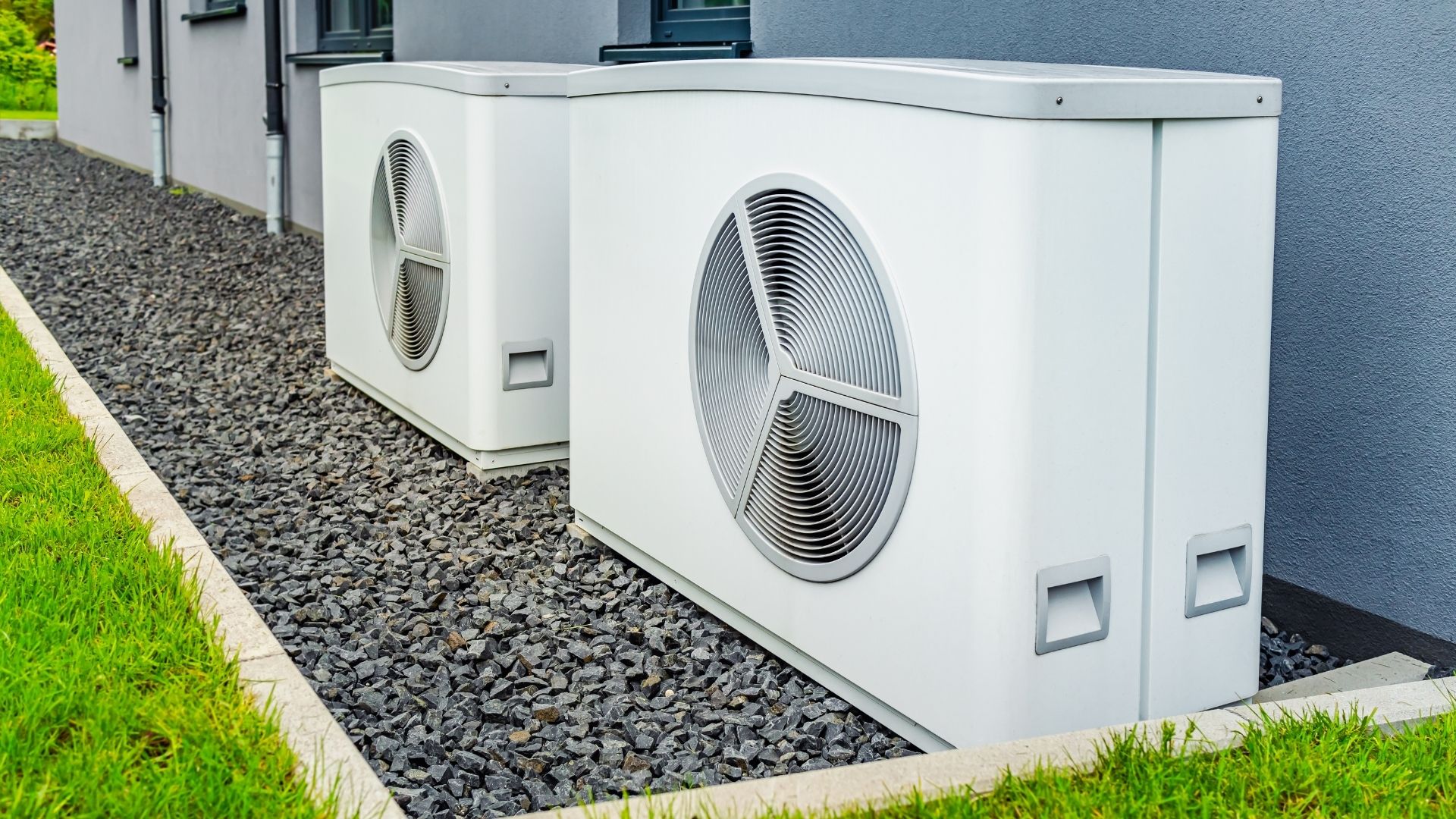
When considering a new HVAC system, understanding the efficiency and long-term energy costs is essential for making an informed decision. This section compares the cooling and heating efficiency of heat pumps and air conditioners, along with their impact on your bills. By breaking down key metrics like SEER ratings, heating efficiency, and energy savings, we can help you decide which system suits your needs and provides the best return on investment.
Cooling Efficiency
Feature | Air Conditioner | Heat Pump |
Cooling Efficiency | High SEER and SEER2 ratings | Often higher efficiency due to variable-speed compressors |
Cooling Performance | Consistent cooling performance during summer | Offers efficient cooling and can maintain consistent indoor temperature year-round |
Energy Savings | Standard cooling with fixed-speed compressors | Greater energy efficiency in both cooling and heating modes, with less electricity use |
Air conditioners excel at cooling, particularly in warmer climates where summer temperatures soar. However, heat pumps are built to both cool and heat, which makes them more versatile. Their use of variable-speed compressors allows for more precise control of temperature and energy use.
Heating Efficiency
Feature | Air Conditioner | Heat Pump |
Heating Efficiency | Requires a separate furnace for heating | Heat pumps can provide efficient heating, with up to 75% less electricity use compared to traditional heating systems (Energy.gov) |
Electricity Use | Uses more electricity for heating, especially in colder months | Up to 75% less electricity for heating in winter months |
Energy Savings in Winter | No heating capability | Provides energy-efficient heating without the need for a separate furnace |
When it comes to heating, air conditioners fall short. They don't have the capability to heat your home, so a separate furnace or heating system is necessary. This means you need to manage two systems: one for cooling and another for heating. Not only does this increase your initial installation cost, but it also raises long-term maintenance and operating costs.
Operating Cost Comparison
Feature | Air Conditioner + Furnace Setup | Heat Pump |
System Complexity | Two separate systems (AC + furnace) to maintain | Single system, lowering maintenance costs |
Maintenance Costs | Higher, as it requires separate maintenance for both systems | Lower, as it combines both heating and cooling in one system |
Operating Costs | Higher overall due to two systems and additional maintenance | Lower overall, especially in mild-winter regions like Texas |
While air conditioners can have a lower upfront cost, the need for an additional furnace or heating system leads to higher operating costs. With lower maintenance demands and energy-efficient operations, heat pumps can be especially advantageous in regions with mild winters.
However, efficiency is just one piece of the puzzle. Climate is another key factor that decides which system performs better year-round.
Climate Considerations: Which System Fits Your Region?
The climate in your region plays a crucial role in determining which HVAC system will provide the best performance and cost savings. In this section, we will explore how heat pumps and air conditioners perform in different climates, helping you choose the right system for your home’s specific needs.
Best Choice for Hot, Humid Climates (Texas)
In regions like Texas, which experience long, hot summers and mild winters, heat pumps can be an ideal choice. Heat pumps offer excellent cooling capabilities, making them perfect for the relentless Texas heat. They also provide better humidity control, which is crucial in humid climates like Texas.
Unlike traditional air conditioners, heat pumps do more than just cool your space. They offer year-round comfort. During the mild winter months, heat pumps require minimal backup heating, allowing them to maintain efficiency throughout the year. This all-in-one system simplifies maintenance and delivers significant energy savings.
Air conditioners, on the other hand, provide strong cooling during the summer but require a separate furnace for winter heating. This means you'll need to maintain two systems, adding complexity and potential costs in comparison to a heat pump system.
Best Choice for Cold Climates
In colder regions, heat pumps may struggle to provide sufficient warmth during extreme winter temperatures. However, many homeowners in colder climates opt for hybrid systems, which pair a heat pump with a backup furnace for added warmth during the coldest months. While heat pumps can still perform well during moderate winters, their efficiency drops in extreme cold, and a furnace backup becomes necessary.
Air conditioners are not designed for heating, so if you live in a climate that experiences cold winters, you will still need a separate heating system, such as a furnace. This adds an extra layer of complexity and cost, making heat pumps a better option in regions that experience both extreme cold and mild winters.
Year-Round Comfort Comparison
For year-round comfort, a heat pump is the clear winner in moderate climates. It provides balanced temperatures by delivering both heating in the winter and cooling in the summer, making it a versatile, energy-efficient solution. This dual functionality makes it an ideal system for regions like Texas, where winters are short but can still require some heating, while summers demand consistent cooling.
Air conditioners, on the other hand, only provide cooling, so they are best suited for regions where cooling needs dominate. In areas that experience both hot summers and cold winters, an air conditioner will require a separate heating system, typically a furnace, to provide comfort during the colder months.
Now that we understand which system works best for your region’s climate, let’s dive into the cost comparisons to help you make the most informed choice for your home.
Upfront Cost, Maintenance, and System Lifespan
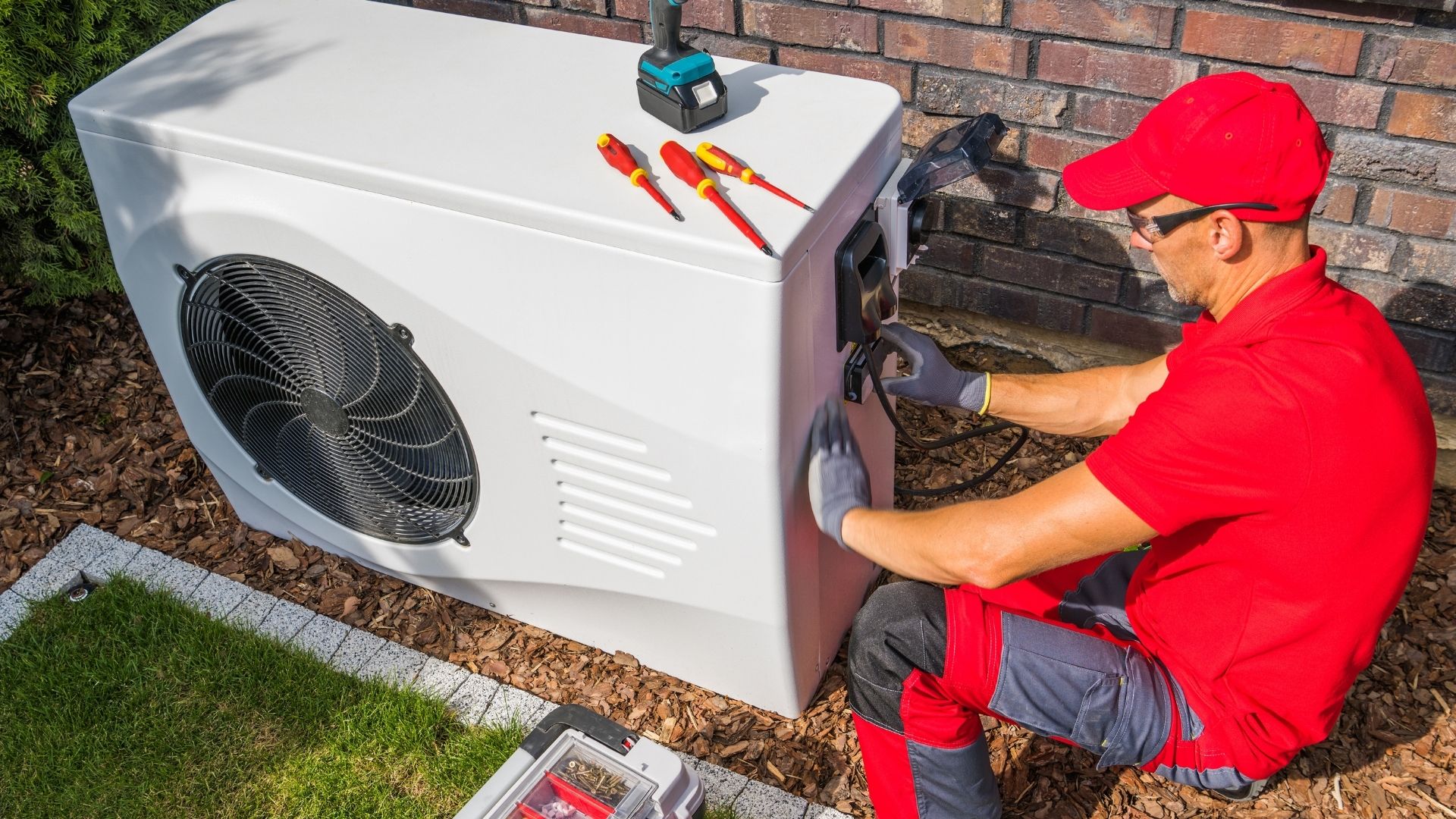
When choosing between a heat pump and an air conditioner, understanding the upfront investment, ongoing maintenance requirements, and expected lifespan is key to making an informed decision. In this section, we will compare the cost of installation, the maintenance demands, and the longevity of both systems, giving you a clearer picture of long-term ownership.
Installation Cost Comparison
When it comes to upfront costs, air conditioning systems generally have the lower initial price. This is because air conditioners are designed solely for cooling and are often simpler to install compared to a heat pump system, which is designed to handle both heating and cooling.
Heat pumps, however, may come with a slightly higher installation cost due to their dual functionality. That said, they often qualify for tax credits, rebates, and other incentives from local energy programs or the federal government. These incentives can significantly offset the initial investment, making heat pumps a more cost-effective option in the long run.
Maintenance Requirements
Both systems require routine maintenance to keep them running efficiently. Here’s a breakdown of the shared maintenance tasks:
Filter changes: Both systems need regular filter changes, typically every 1-3 months, depending on use and household conditions.
Coil cleaning: Cleaning the evaporator and condenser coils is essential for both systems to ensure efficient heat exchange and prevent excess wear.
Refrigerant checks: Keeping an eye on refrigerant levels is crucial for both types of systems to ensure optimal performance and prevent breakdowns.
However, heat pumps tend to run year-round, which means they experience slightly more wear and tear compared to air conditioners, which typically only operate during the warmer months. Therefore, while both systems require regular servicing, you might need to perform maintenance on a heat pump slightly more often to ensure it continues to perform efficiently over time.
Expected Lifespan
When it comes to longevity:
Air conditioners typically last 12–15 years with proper maintenance. Regular servicing and cleaning can help maximize this lifespan.
Heat pumps have a lifespan of around 10–15 years, depending on climate and maintenance. While heat pumps are slightly more prone to wear due to their year-round operation, they can still last a similar amount of time if maintained properly.
The longevity of both systems can be significantly influenced by factors like climate, usage, and the quality of maintenance performed over the years. Proper care and timely repairs can extend the lifespan of either system.
Heat Pump or Air Conditioner: Which Is Better for Your Home?
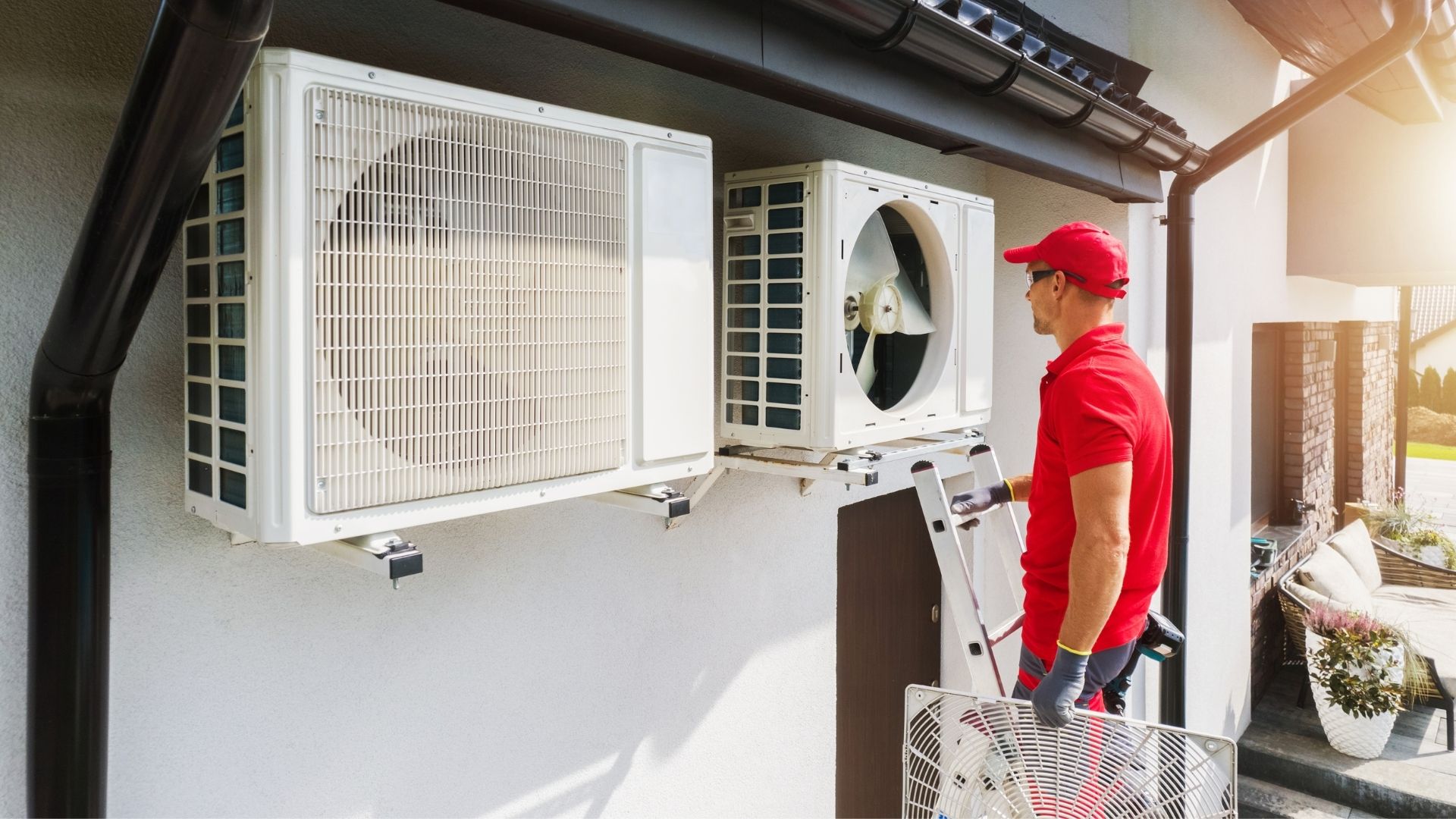
When choosing between a heat pump and an air conditioner, there are key factors to consider, including comfort, efficiency, upfront costs, and long-term benefits. Below is a comparison that can help guide your decision:
Choose a Heat Pump If You Want:
Lower Heating Costs: Heat pumps are much more efficient than traditional heating systems, reducing electricity use for heating by up to 75%. This is especially beneficial in Texas, where mild winters make heat pumps an effective year-round solution.
Year-Round Comfort from One System: Heat pumps provide both heating and cooling, eliminating the need for separate systems. This makes it a convenient choice, especially for homes with space constraints or those looking for an all-in-one solution.
Better Humidity Control: Heat pumps are exceptional at managing humidity levels, which is particularly important in humid Texas climates. This ensures that your home stays comfortable without excess moisture.
Cleaner, All-Electric Heating: Heat pumps run on electricity and don’t use combustion, making them a cleaner option compared to gas-powered heating systems, which reduces indoor air pollution and eliminates the risk of carbon monoxide.
Choose an Air Conditioner If You Want:
A Lower Upfront Cost: Air conditioners generally have a lower initial cost compared to heat pumps. If you’re primarily interested in cooling your home and already have an efficient heating system in place (such as a gas furnace), an AC might be a more economical option in the short run.
To Keep an Existing Gas Furnace: If your current heating system is a gas furnace and you don’t want to switch to an all-electric system, an air conditioner can work alongside your existing furnace, allowing you to maintain both systems without making a major change to your home’s setup.
A Cooling-Only System: If you live in an area with hot summers but minimal need for heating in winter, and you don’t mind having separate systems for heating and cooling, an air conditioner will provide efficient and reliable cooling for the warmer months.
Get expert guidance on whether a heat pump or air conditioner is best for your Texas home. Schedule Your Consultation With Central Air & Refrigeration
Central Air & Refrigeration: Your Partner for Heat Pump and Air Conditioner Solutions
When it comes to choosing between a heat pump or air conditioner, the decision can be overwhelming without the right expert guidance. At Central Air & Refrigeration (CAR), we specialize in helping homeowners make the best decision for their specific needs. Whether you need efficient cooling, heating, or both, our team of professionals is here to provide expert recommendations, installation, and ongoing support.
Why Choose CAR?
Expert Guidance: Not sure whether a heat pump or air conditioner is right for you? Our knowledgeable team offers personalized consultations to help you evaluate your home's unique needs.
Reliable Installation: Whether it's a heat pump or an air conditioner, we guarantee high-quality installation that maximizes efficiency and comfort.
Energy Savings: We help homeowners reduce their utility bills with energy-efficient solutions and customized systems.
Maintenance & Repairs: CAR provides comprehensive maintenance plans to keep your HVAC system running smoothly year-round. We offer emergency support when you need it most, ensuring your home stays comfortable in every season.
Conclusion
Choosing between a heat pump or air conditioner ultimately depends on your climate, budget, and long-term energy efficiency goals. For homeowners in Bryan and College Station, a heat pump offers superior performance, especially in terms of heating costs, humidity control, and year-round comfort. On the other hand, air conditioners are a solid choice for homes that already have a furnace or those looking for a more affordable upfront investment.
With the right guidance, you can make a decision that aligns with your specific needs. At Central Air & Refrigeration, we specialize in helping you choose, size, and install the ideal HVAC system that ensures maximum comfort and efficiency.
Ready to Upgrade Your Home Comfort? Whether you're leaning toward a heat pump or an air conditioner, get expert advice and flawless installation with Central Air & Refrigeration. Request Your Free HVAC Consultation Today.
Frequently Asked Questions
1. Is a heat pump better than an air conditioner?
Depends on your climate and heating needs. In mild-winter states like Texas, a heat pump is often more efficient and cost-effective.
2. Does a heat pump cool as well as an AC?
Yes—modern heat pumps cool just as effectively as air conditioners and often with higher efficiency.
3. Do heat pumps work in extreme heat?
Yes. Heat pumps work very efficiently in hot climates, making them ideal for southern states.
4. Is a heat pump more expensive than an AC?
Upfront, yes. Over time, a heat pump can save money through lower energy costs.
5. What lasts longer—a heat pump or an AC?
Both last around 12–15 years with proper maintenance, though heat pumps run year-round.