Most homeowners only think about their HVAC system when it stops working, usually on the hottest or coldest day of the year. By then, repairs are rushed, expensive, and disruptive.
HVAC maintenance contracts exist to prevent that cycle. Instead of waiting for something to break, a contract keeps your system tuned, cleaned, inspected, and protected on a predictable schedule. It reduces unexpected repair costs, helps your equipment run efficiently, and cuts down the risk of seasonal breakdowns.
If you’re trying to understand what an HVAC maintenance contract actually includes, whether it's worth the cost, and how to choose the right plan, this guide breaks it down in simple terms.
Key Takeaways
Prevents breakdowns: Regular tune-ups catch small issues before they turn into no-heat or no-cool emergencies.
Cuts energy costs: Clean coils, clear airflow, and calibrated components help your system run with less strain.
Extends equipment life: Routine maintenance prevents wear that leads to early system failure.
Predictable annual cost: A contract replaces unpredictable repair bills with a simple, planned fee.
Priority service: Most plans move you to the front of the line during peak summer or winter rush.
What Is an HVAC Maintenance Contract?
An HVAC maintenance contract is a scheduled service agreement between a homeowner and a licensed HVAC provider. It covers routine tune-ups, inspections, and performance checks for both heating and cooling systems throughout the year. Instead of remembering to call for maintenance, you get automatic reminders and priority scheduling.
A typical contract includes:
Seasonal tune-ups (usually spring + fall)
Full system inspections
Cleaning of key components
Basic adjustments and minor repairs
Priority service for urgent issues
Discounts on parts or additional repairs
The goal is simple: keep your system running efficiently, reduce the likelihood of sudden breakdowns, and make maintenance predictable instead of reactive.
A well-structured contract is often the difference between steady comfort and stressful emergency calls when temperatures swing.
Why an HVAC Maintenance Contract Matters
A maintenance contract does more than keep your system clean. It helps prevent the stressful situations homeowners face every year, such as sudden breakdowns, rising energy bills, uneven temperatures, and comfort problems during extreme weather. With consistent care, your system runs smoother and lasts longer.
Fewer Breakdowns When You Need Cooling or Heating Most
Most AC and furnace failures happen because small issues were never caught early. Loose components, clogged coils, weak capacitors, and low refrigerant all start as minor problems. A contract ensures these are fixed long before they shut the system down.
Lower Monthly Energy Costs
A tuned-up HVAC system uses less energy to run. Clean coils, balanced airflow, and calibrated components reduce unnecessary strain and help keep bills from climbing.
Longer System Lifespan
Systems that receive biannual maintenance last years longer than neglected ones. Regular lubrication, part checks, and cleaning help prevent early wear and major component failures.
Better Comfort and Airflow
A properly maintained system delivers steadier temperatures, better humidity control, and more consistent airflow, especially important in homes with hot rooms or cold spots.
Safety Checks That Protect Your Home
During heating season, inspections help identify issues like cracked heat exchangers, faulty flame sensors, and venting problems that could pose safety risks if ignored.
Warranty Protection
Many manufacturer warranties require proof of professional maintenance. A service contract keeps your coverage valid and helps avoid out-of-pocket expenses for issues that should be protected.
A maintenance contract brings predictability to something that often feels unpredictable: your home’s comfort.
For homeowners and businesses in Bryan–College Station, Texas, Central Air & Refrigeration can track your system’s history, spot recurring issues, and build a maintenance plan around how your home actually uses heating and cooling, not just what’s on the equipment label.
Next, we’ll cover how to choose the right HVAC maintenance contract and what to look for when comparing plans.
How to Choose the Right HVAC Maintenance Contract
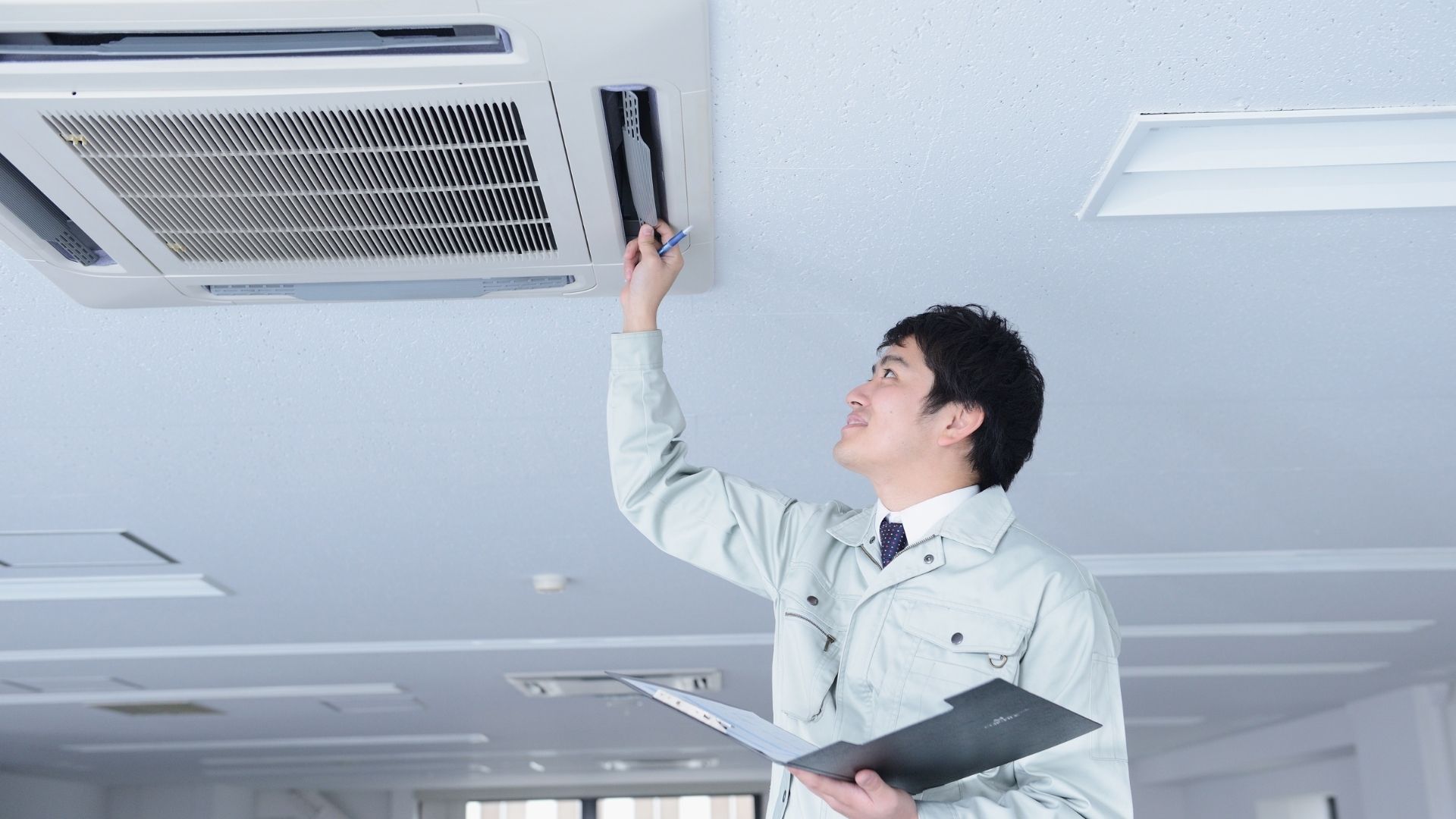
Not all maintenance plans deliver the same value. The right contract should match your home, your system’s age, and how much peace of mind you want throughout the year. Here’s how to evaluate your options confidently.
1. Check the Company’s Credentials
Before anything else, make sure the provider is qualified.
Look for:
Proper licensing and insurance
Certified technicians (NATE, EPA)
Strong reviews on Google, Yelp, or the BBB
Experience with your specific system type (gas furnace, heat pump, mini split, etc.)
A great contract means nothing if the work is done poorly.
2. Review What the Plan Actually Covers
Maintenance contracts vary widely. Compare details carefully:
Are there two tune-ups per year, or just one?
Are cleanings included, or billed separately?
Does it include priority service during peak season?
Are filters and small parts included?
Are there discounts on repairs?
Choose a plan that covers routine maintenance and helps reduce unexpected costs.
3. Match the Plan to Your System’s Age
A newer system may only need a basic tune-up plan.
An older system might benefit from:
More detailed inspections
Discounts on repairs
Additional visits
If your HVAC system is 10+ years old, a contract with repair discounts is almost always worth it.
4. Compare Contract Length & Flexibility
Consider:
Is it month-to-month, annual, or multi-year?
Are there cancellation fees or automatic renewals?
Can you transfer the plan if you sell your home?
Flexible contracts are especially helpful for new homeowners or newly installed systems.
5. Evaluate the Total Value, Not Just the Price
A cheap contract with limited coverage usually ends up costing more long-term.
Look at the value each plan provides:
How much are tune-ups worth individually?
What discounts are included?
How much time and stress do priority repairs save you?
Does maintenance help protect your system's warranty?
Choose the plan that keeps your system reliable, not just the lowest cost on paper.
If you manage a commercial space or multi-system home, ask how the provider bundles equipment checks and documents performance across units. Central Air & Refrigeration supports both residential and commercial contracts in Bryan–College Station with tailored inspection schedules.
How much do HVAC maintenance contracts typically cost, and what drives the price? Let's understand in the next section.
How Much Does an HVAC Maintenance Contract Cost?
HVAC maintenance contracts vary in price depending on your home, your equipment, and how much coverage you want. Most homeowners fall into predictable ranges, and understanding those ranges makes it easier to choose a plan that fits your system — and your budget.
Typical HVAC Maintenance Contract Costs
Here’s what most homeowners can expect to pay:
Basic annual plan: $150–$250
Includes one or two tune-ups, basic cleaning, and standard inspections.Mid-level plan: $250–$400
Includes tune-ups, priority service, small parts, and repair discounts.Comprehensive plan: $400–$700+
Includes full seasonal tune-ups, priority response, waived service fees, and larger repair coverage.
Mini-splits, older systems, or multi-system homes may fall on the higher end because they require more maintenance and time.
What Affects the Cost of an HVAC Maintenance Contract?
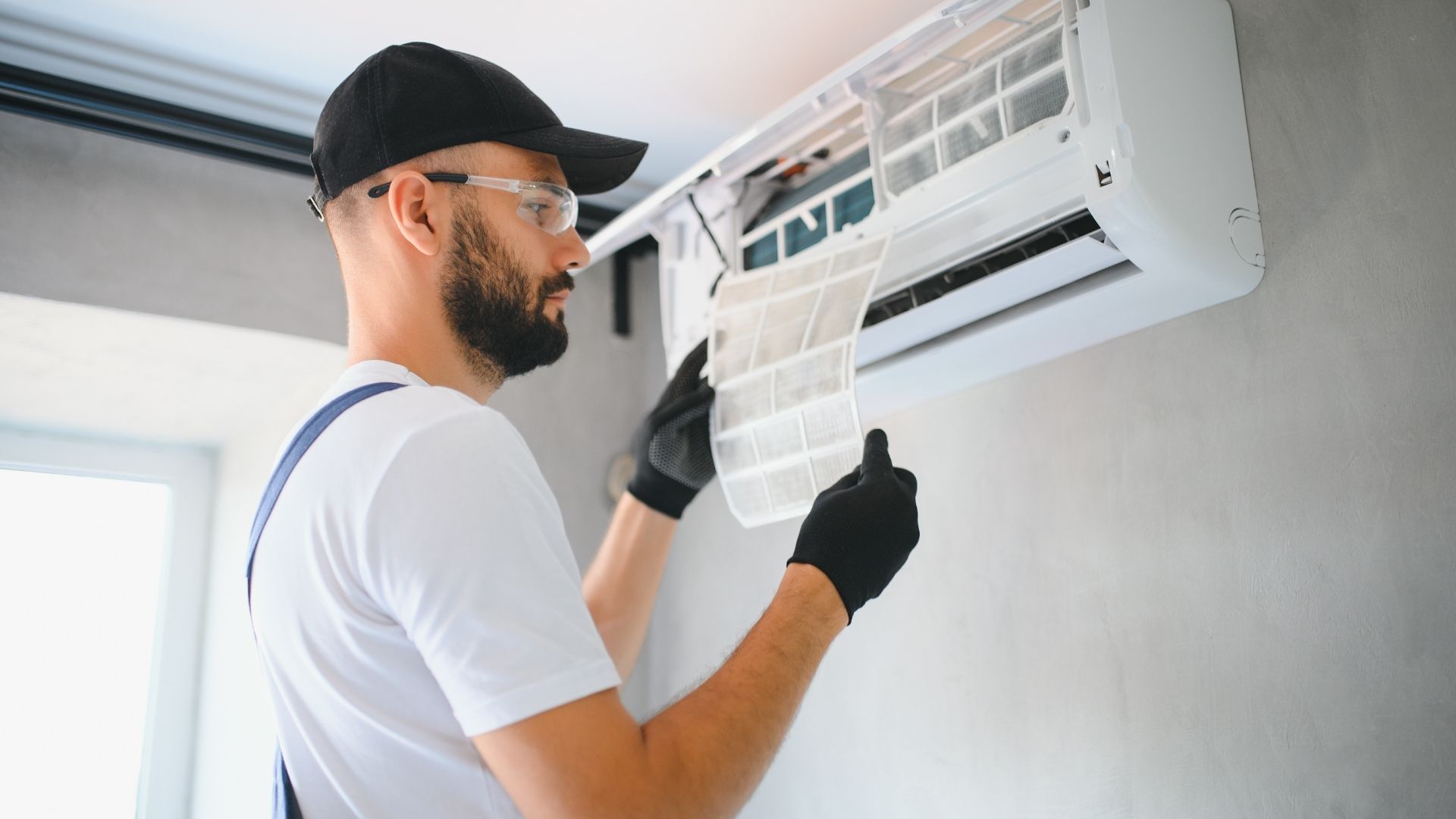
The price of a maintenance contract isn’t random. It’s shaped by your home’s layout, the type of HVAC system you own, and how much protection you want from unexpected repairs. Understanding these cost drivers makes it easier to compare plans and avoid overpaying.
1. Home & System Size
Larger homes or homes with multiple HVAC units naturally cost more to maintain because technicians need to service more equipment and spend more time inspecting airflow, electrical components, and refrigerant lines. Every additional system adds cleaning, testing, and calibration time.
Why does it affect cost:
Each system needs its own tune-up and safety check
More components require cleaning and adjustment
Multi-story layouts often take longer to inspect
Typical ranges:
One system: $200–$300/year
Two systems: $350–$600/year
If your home has a furnace + AC + mini-split, your contract will reflect the extra labor required to keep everything in good working order.
2. System Type
Not all HVAC systems require the same level of maintenance. Some are simple; others are more advanced and need specialized testing, cleaning, or calibration. This directly influences contract pricing.
How system type changes cost:
Mini-Splits: $300–$550/year. Multiple indoor heads mean more filters and coils to clean.
Heat Pumps: Higher due to year-round operation and refrigerant checks.
Gas Furnace + AC Systems: Mid-range, standard for most homes.
Variable-Speed or High-Efficiency Systems: Require more detailed diagnostics.
The more sophisticated your system, the more thorough the maintenance needs to be — and the higher the plan cost.
3. Coverage Level of the Plan
The depth of coverage is one of the biggest pricing factors. Basic plans focus on tune-ups only; mid-tier and full-coverage plans reduce or eliminate repair costs altogether.
Coverage options that change pricing:
Emergency Service Access
Repair Discounts (typically 10–20%)
Parts Replacement or Credits
Waived Diagnostic/Trip Fees
Filter Replacements
The more protection the contract provides, the more you’ll pay upfront — but the more you’ll save if your system needs repairs during peak seasons.
4. Frequency of Maintenance Visits
The number of tune-ups included affects cost because each visit requires technician time, supplies, and system testing.
Common visit schedules:
Annual Plan: 1 visit — budget-friendly, best for mild climates
Bi-Annual Plan: 2 visits — most recommended; covers pre-summer and pre-winter prep
Quarterly Plan: 4 visits — ideal for older systems, allergy-sensitive homes, or heavy usage
More frequent visits improve system performance but also increase the yearly contract cost.
5. Local Labor Rates & Regional Climate
Where you live matters. Areas with extreme heat or long winters often see higher maintenance contract prices because systems run harder and require more care.
Why location affects cost:
Higher HVAC workload → more wear and tear
Greater demand for technicians during peak seasons
Regional labor rates and cost of living
Homes in warm states like Texas or Florida may require more aggressive maintenance schedules, which raises contract pricing.
If your system is over 10 years old or you rely on HVAC for a business operation, a mid-level or comprehensive plan often pays for itself by avoiding one or two major emergency repairs per season. Reach out to Central Air & Refrigeration to understand the costs.
Understand what HVAC maintenance contracts cover and what’s optional, so you know what you're paying for and what truly matters.
What Does an HVAC Maintenance Contract Typically Cover?
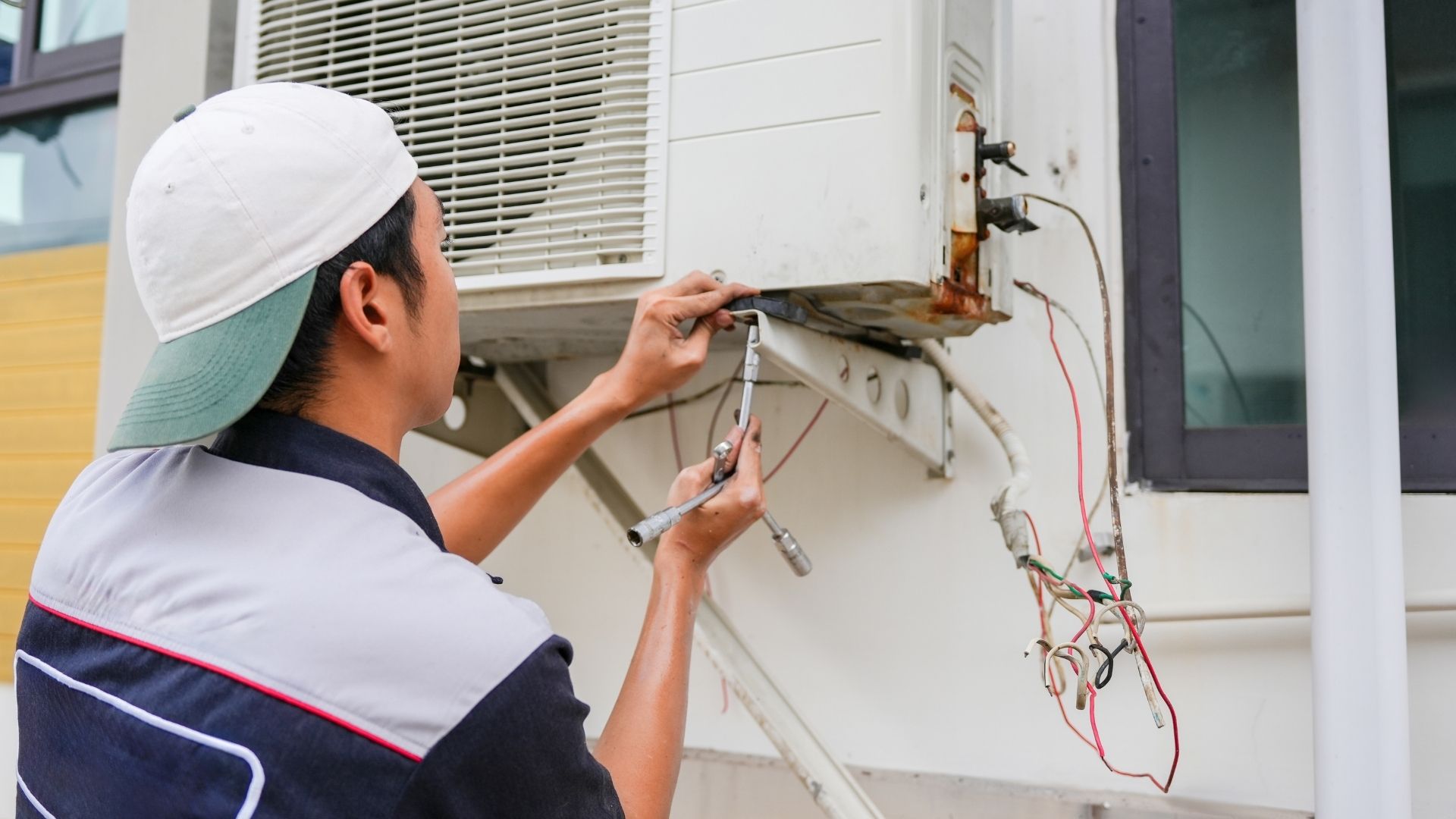
Central Air & Refrigeration offers local expertise across Bryan–College Station and supports both homes and commercial properties. Our maintenance program focuses on clear documentation, practical prevention, and fast response.
Here’s what’s usually included, and the optional add-ons you may see.
Core Services Included in Most HVAC Maintenance Contracts
These are the foundational services you should expect in any standard plan. They target the biggest causes of breakdowns: dirt buildup, airflow blockages, worn components, and neglected safety checks.
1. Full System Inspection
A technician reviews all major components to identify early signs of wear, loose connections, leaks, or failing parts.
Common inspection points include:
Thermostat calibration
Electrical wiring and connections
Blower motor performance
Ductwork condition
Safety controls and sensors
Refrigerant levels for AC or heat pump systems
This ensures the system runs safely, efficiently, and without stressing other components.
2. Professional Cleaning
Dust, debris, and buildup force your system to work harder. Cleaning restores airflow, improves efficiency, and prevents overheating.
Typical cleaning tasks:
Cleaning condenser & evaporator coils
Removing debris from outdoor units
Cleaning or replacing air filters
Flushing drain lines
Clearing blower compartments
Clean systems consume less energy and experience far fewer mid-season failures.
3. Routine Adjustments & Minor Repairs
During maintenance, technicians tighten, lubricate, or adjust parts that commonly wear down or fall out of alignment.
These small fixes often include:
Replacing worn belts
Tightening loose screws and panels
Lubricating motors
Adjusting fan speeds
Calibrating controls
These low-cost adjustments help prevent major breakdowns later.
4. Priority Scheduling
Many plans guarantee quicker service during emergencies. When everyone’s AC fails on the first hot day of summer, contract members go to the top of the list.
You get faster repairs and shorter wait times, especially when demand spikes.
Are HVAC Maintenance Contracts Worth It?
For most homeowners, yes; especially in climates with long cooling or heating seasons. A well-structured maintenance plan:
Prevents the most common causes of breakdowns
Reduces energy waste from dirty or uncalibrated components
Extends the life of expensive equipment
Reduces surprise repair bills
Ensures safe furnace operation
Keeps manufacturer warranties valid
A contract turns unpredictable HVAC care into a simple yearly plan — saving money, time, and stress.
Next, let’s look at common mistakes homeowners make when choosing or using a maintenance contract.
Common Mistakes to Avoid With HVAC Maintenance Contracts
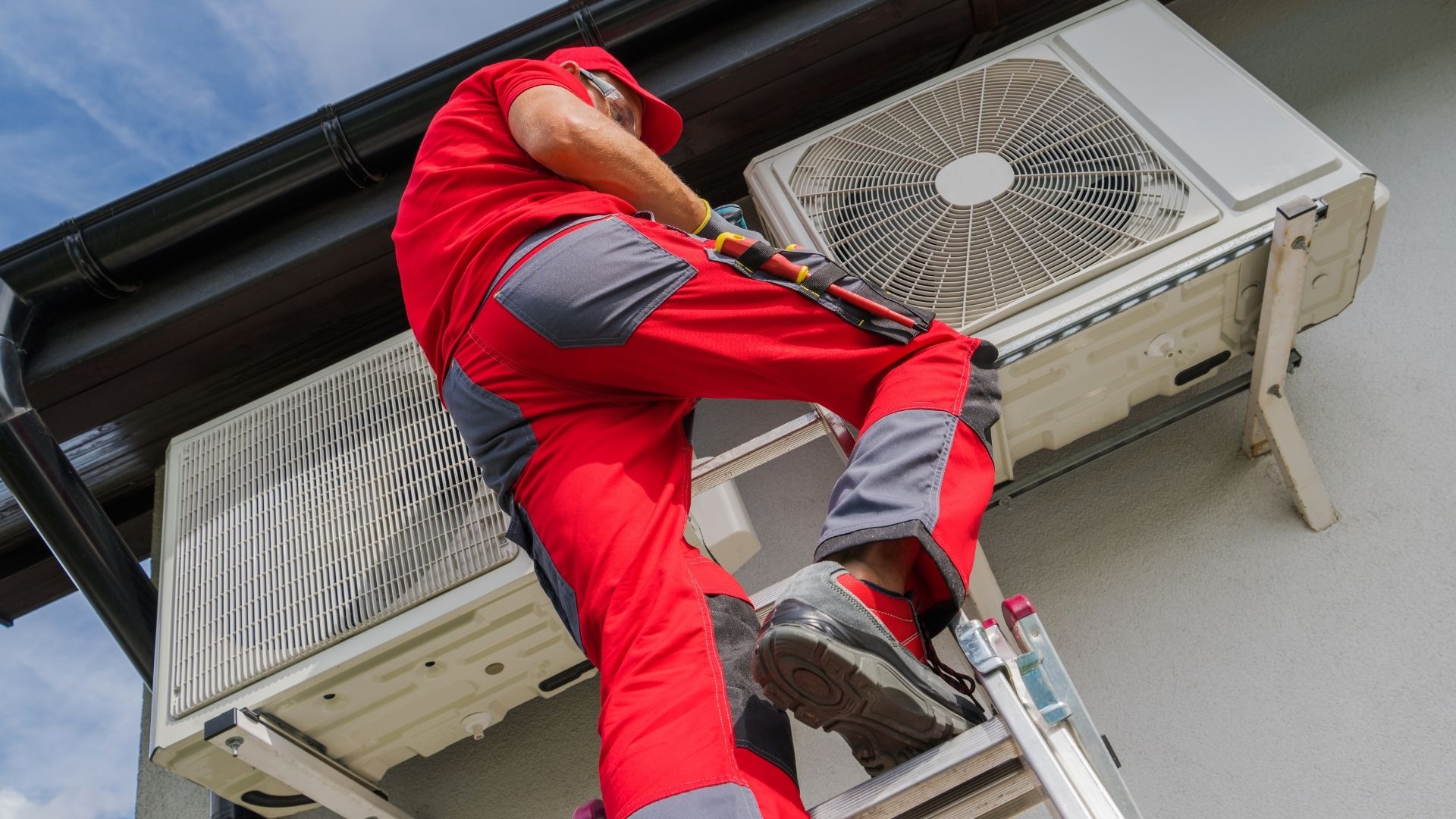
A maintenance plan should make life easier, but some mistakes can reduce the value you get from it. Avoid these pitfalls:
1. Choosing the Cheapest Plan
Low-cost contracts often skip coil cleaning, refrigerant checks, or key safety tests, leading to expensive repairs later.
2. Ignoring What’s Not Covered
Don’t assume:
Filters are included
Emergency diagnostics are free
Parts are covered
Additional systems are included
Review coverage to avoid surprise costs.
3. Not Confirming Technician Qualifications
A contract is useless if poorly trained techs perform the work. Always choose experienced, certified technicians.
4. Forgetting About Contract Renewal Terms
Some contracts auto-renew with price increases. Know the renewal terms before signing.
5. Skipping Maintenance Because the System “Seems Fine”
HVAC systems fail from slow, hidden wear. Skipping maintenance invites breakdowns — especially during extreme heat or cold.
When you avoid these mistakes, a maintenance contract delivers strong long-term value and fewer headaches.
Now, here’s how Central Air & Refrigeration delivers reliable, worry-free protection for your system.
How Central Air & Refrigeration Makes HVAC Maintenance Simple
Choosing a maintenance contract should remove stress, not add more of it. Our team focuses on accuracy, transparency, and prevention so your system stays dependable year-round.
What You Get With Our Maintenance Program
Seasonal tune-ups for heating and cooling
Thorough cleaning of coils, blowers, and drain lines
Full system inspection to prevent surprises before peak weather
Priority scheduling for urgent repairs
Discounted repair pricing on parts and labor
Verified safety checks during heating season
Clear documentation that protects your manufacturer's warranty
With Central Air & Refrigeration, you’re getting a proactive partner who knows your system and keeps it running at peak performance.
Conclusion
HVAC maintenance contracts help homeowners avoid emergencies, reduce energy waste, and extend the life of their heating and cooling systems. Instead of reacting to breakdowns, a contract puts your HVAC care on a predictable schedule, with expert inspections, cleanings, performance testing, and priority support.
Whether your system is brand-new or a decade old, the right maintenance plan protects your comfort and helps control long-term costs.
If you're ready to simplify your HVAC maintenance and prevent the stress of surprise repairs, Central Air & Refrigeration can help. Our team provides thorough, reliable tune-ups and clear, straightforward plans that keep your system healthy all year long.
Contact us and schedule your maintenance visit today, and enjoy worry-free heating and cooling, all year long.
Frequently Asked Questions
1. How often should my HVAC system be maintained?
Most systems need two tune-ups per year, one for cooling in spring and one for heating in fall.
2. Do maintenance contracts really save money?
Yes. By preventing major repairs, reducing energy waste, and extending equipment life, contracts typically save homeowners far more than they cost.
3. Is emergency service included in a maintenance contract?
Many plans include priority scheduling and discounted emergency fees, but coverage varies by provider.
4. Will a maintenance contract protect my warranty?
Yes. Most manufacturers require proof of annual professional maintenance to keep warranty coverage valid.
5. What if I have more than one HVAC system?
Homes with multiple systems may need bundled or multi-system plans. Costs increase, but maintenance becomes even more important due to higher usage and complexity.